White Rice
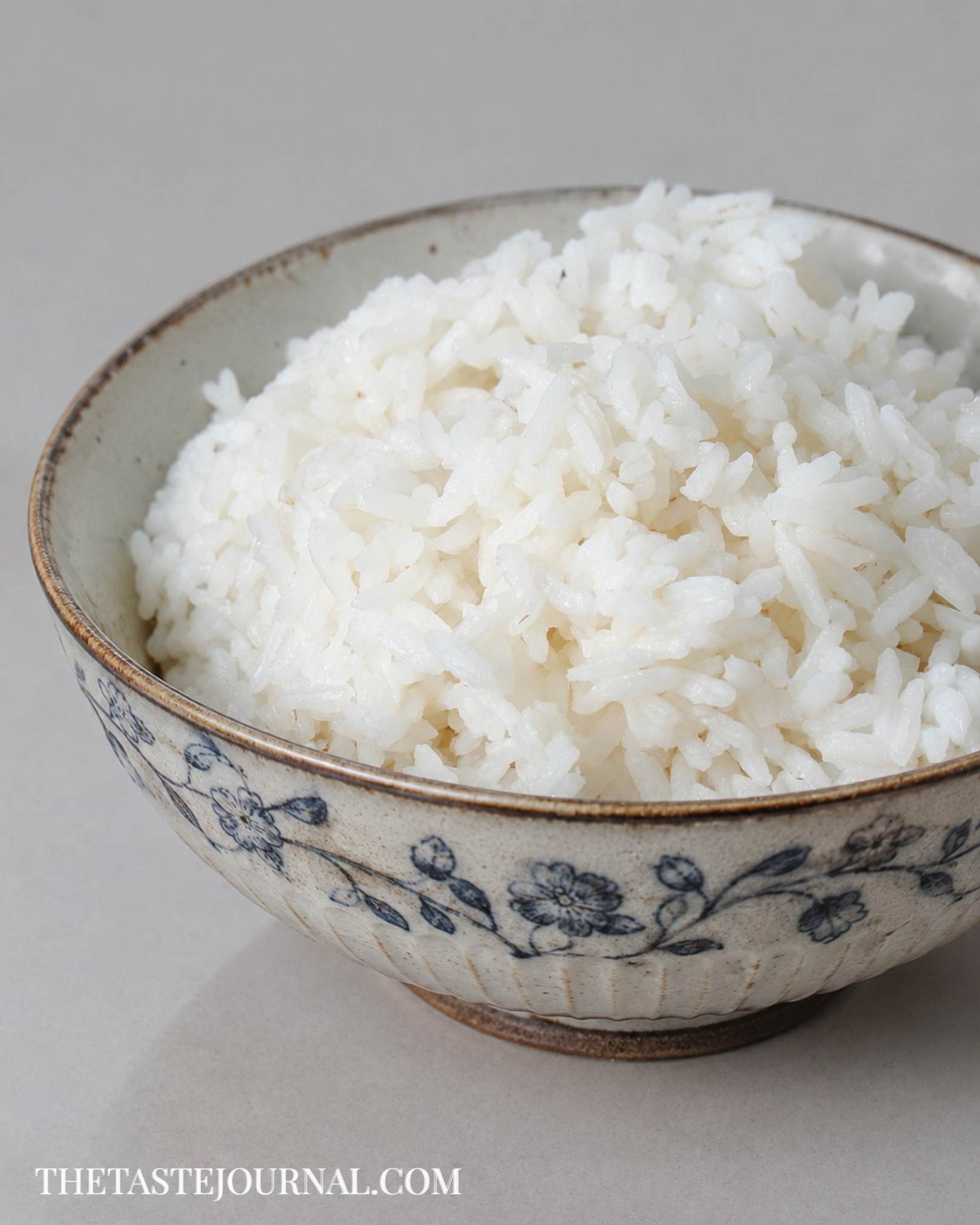
Today, we are making white rice. This simple dish is a staple enjoyed by millions of people around the world. Known for its versatility and neutral flavor, its origins dating back thousands of years.
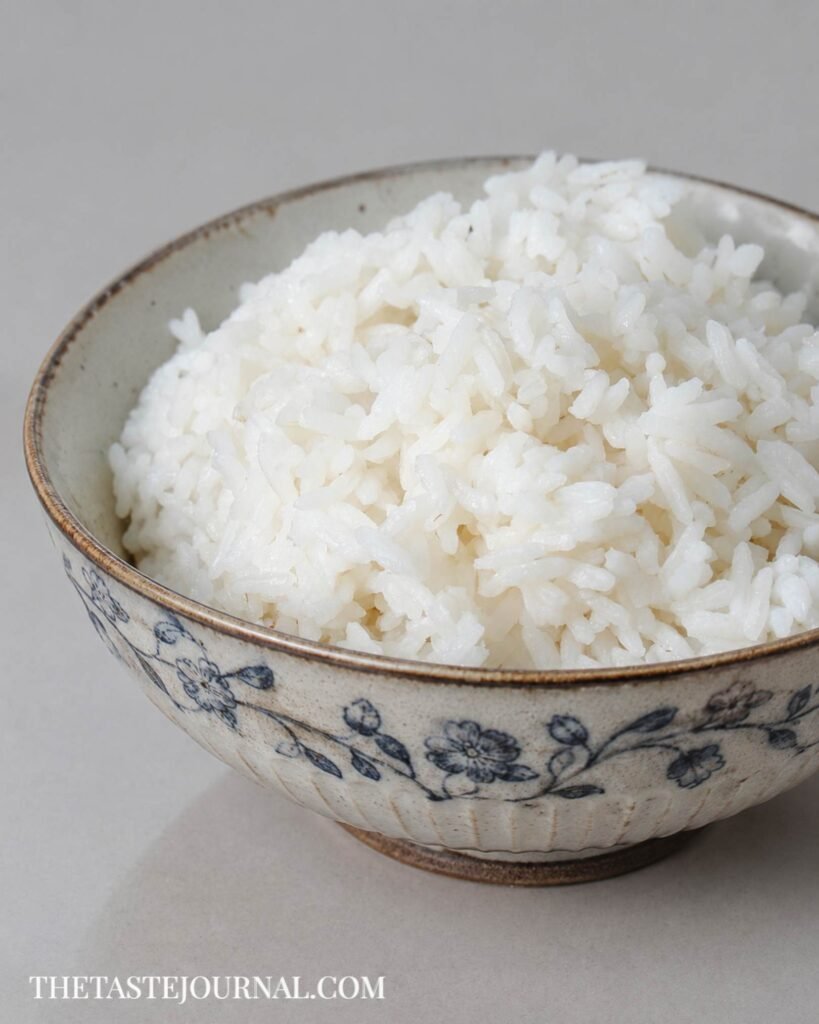
Rice is featured as an important part of cuisines from Asia to Latin America. Easily accessible and serving as the base for countless dishes, it complements a wide range of ingredients and flavors.
Cooking white rice may seem like an easy task, but let’s be frank: there’s an art to getting it just right. Using too much water leaves you with a mushy glob. Using too little water results in dry and hard rice. However, using the proper technique yields fluffy, incredibly delicious rice. Perfectly cooked white rice is simple and requires no fancy equipment. Using a regular pot will get the job done. The best part? You only need a pot, water, uncooked rice, and a pinch of salt to create a bowl of fluffy rice.
History of Rice
Rice, scientifically known as Oryza sativa, is a crucial staple food that nourishes more than half of the global population. When regular rice is polished to remove its outer husk, bran, and germ, it is called white rice. Cultivation of rice began in East Asia around 10,000 years ago and gradually spread throughout Asia. Rice became an important element in many countries, including Korea, China, India and Japan.
In time, rice farming expanded into the Middle East and the Mediterranean through trade routes. Previously, brown rice, which retains the bran and germ, was commonly consumed. However, the development of milling techniques allowed for the production of white rice by polishing away the deeper layers. This process gave white rice a longer shelf life and a lighter, fluffier texture when cooked. However, removing the bran and germ also strips away some nutrients, which can lead to thiamine (vitamin B1) deficiency—resulting in conditions like beriberi in certain regions. White rice became increasingly popular in Europe and America during the colonial era.
Different types of White Rice
There are several types of white rice, including long-grain, medium-grain, and short-grain. Long-grain rice, which is slender and elongated, includes varieties like Basmati from India and Pakistan, great for pilafs and biryanis, and Jasmine from Thailand, with its fragrant aroma perfect for stir-fries.
Medium-grain rice is shorter and widely used in Europe, especially for dishes like paella and risotto. Arborio rice, known for its high starch content, is excellent for creamy risotto but not suitable for biryani. Valencia rice, commonly used in paella, is another popular medium-grain type. Short-grain rice is prevalent in Asian cuisine, ideal for sushi, kimbap, and rice cakes like Tteokbokki.
When it comes to washing rice, many recommend rinsing it before cooking. We typically wash our rice two to three times until the water runs clear, as most rice is pre-washed and clean. If the water is clear after rinsing three times, the rice is generally clean.
How to Cook Rice in a Rice cooker?
Rice cookers have timers, you don’t have to watch your rice and can simply add the rice to the pot. The ratio is simple and same as above. Its one cup of white rice and two cups of water. Set the timer and let the rice cooker do its job. Once the rice is cooked, the rice cooker will automatically keep the rice warm.
Ingredients
White rice, water, pot, pinch of salt.
In this recipe, we will be using long-grain white rice. You can apply this cooking method to other varieties, such as Jasmine, Basmati, American long-grain, and non-Jasmine Thai long-grain rice, as well as Texmati, a hybrid of Basmati and American long-grain rice.
Choosing the right pot is also crucial for cooking rice. The best pots have a heavy bottom and can be made of aluminum, stainless steel, or copper. Aim for a pot that is medium in depth, though this may vary depending on how much rice you are preparing. A pot with a tight-fitting lid is essential for trapping steam, ensuring the rice cooks evenly. Avoid using thin aluminum pots or excessively deep pots, as they can affect the cooking process.
Instructions
To cook rice, start by adding 2 cups of water to a pot. Next, add 1 cup of rice. Heat the pot on medium-high until the water comes to a boil; this should take about 2 minutes. Once the water is boiling, reduce the heat to low and cover the pot with a lid. Let the rice cook for approximately 12 to 15 minutes. After cooking, allow the rice to rest for a few minutes before fluffing it with a fork. The residual heat in the pot will help eliminate any excess water.
What to Serve with White Rice?
Long grain rice is ideal for Arabian stews and rice dishes. They are also preferred for Indian cuisines such as curries. If you are cooking curries, choose basmati or other types of long-grain rice’s. For Thai cuisine, opt for Jasmine rice. Consider serving alongside a Chicken Curry, Tom Yum Goong, Thai Green Curry, Bean Soup. For Asiatic foods such as Dakbokkeumtang, Bibimbap, Kimchi bokkeumbap, Kimchi jjigae, choose short-grain white rice.
How to Store White rice?
To store white rice grains, keep them in an airtight container in a cool, dark place away from heat and humidity. Consider using storage absorbers and adding bay leaves to deter pests. For long-term storage, use freezer-safe packets and place them in the fridge. Cooked white rice should cool to room temperature before being transferred to an airtight container; it can be refrigerated for 3 to 4 days or frozen for one to two months. To reheat frozen rice, thaw it in the fridge, then add a splash of water and heat on the stove or in the microwave.
Ingredients
- 1 cup rice
- 2 cup water
Instructions
- Bring water to a boil: Add the rice and water into a pot. Stir the rice initially to prevent them from clumping. Bring the water to boil on medium low temperature and let it cook for 2 minutes. During this procedure the lid will be open.
- Simmer: After 2 minutes, close the lid and set the temperature to the lowest setting. Simmer the rice for 12 minutes to 15 minutes (this depends on how much rice you are cooking) until the water is absorbed. Do not be tempted to open the lid as the moisture will escape and possibly burn the rice.
- Let the rice rest: After cooking, move the pot from the heat and let it rest for 5 minute with the lid on. This procedure will help the rice to absorb the steam and make it fluffier.
Nutrition
Calories: 12kcal | Carbohydrates: 3g | Protein: 0.2g | Fat: 0.03g | Saturated Fat: 0.01g | Polyunsaturated Fat: 0.01g | Monounsaturated Fat: 0.01g | Sodium: 4mg | Potassium: 4mg | Fiber: 0.04g | Calcium: 3mg | Iron: 0.1mg
Did you make this recipe?Pin to Save this Recipe