
Bibimbap
Bibimbap is a traditional Korean dish that ranks among the top three must-try dishes for foreigners visiting South Korea. The word bibimbap translates to “mixed rice” in English..
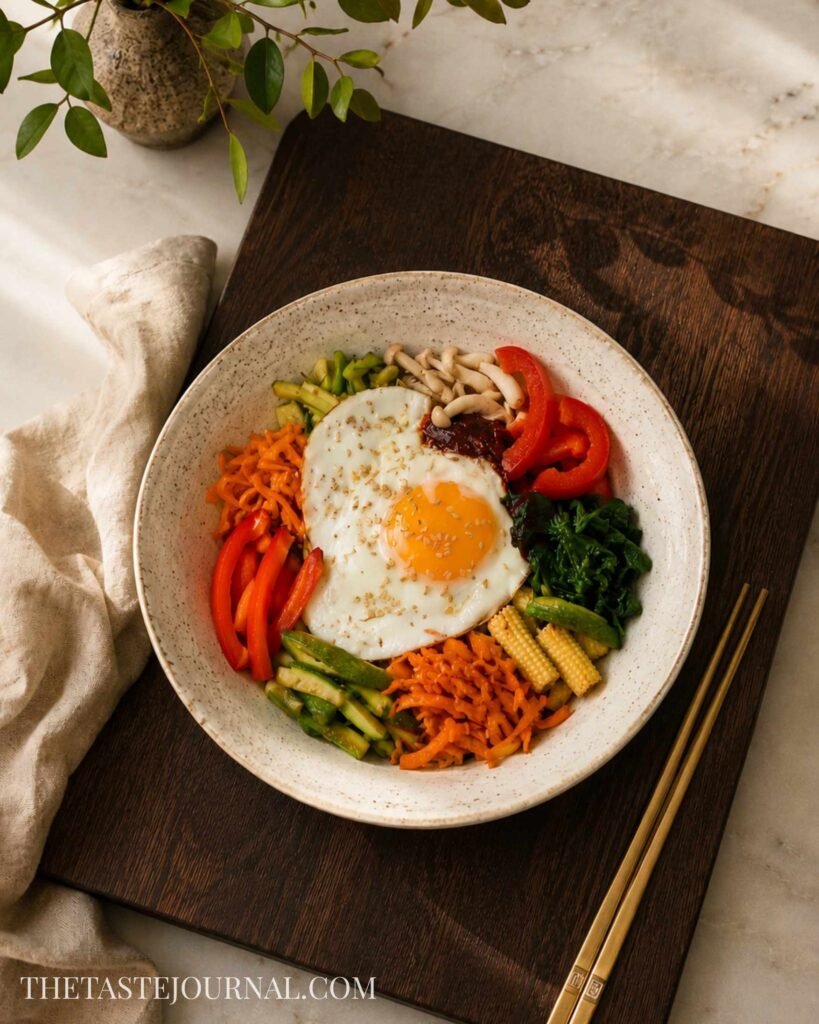
This simple yet satisfying meal consists of steamed rice topped with sautéed vegetables and a source of protein, such as beef or a fried egg. The variety of vegetables pairs beautifully with gochujang and sesame oil. The word “bibim” means “to mix” in Korean. While the idea of mixing everything in a dish may seem unusual in some cultures, the harmonious combination of flavors makes this dish special. Interestingly, different vegetables provide unique flavors and nutritional benefits. To truly appreciate the taste of bibimbap, it’s recommended to use at least three different vegetables.
Ingredients
Mushroom, Carrot, Baby Corn, Bell pepper, Baby Marrow. Cooking oil & Sesame seed oil. Gochuchang , Salt & White Pepper. Eggs, Scallions, Rice, Sesame Seeds.
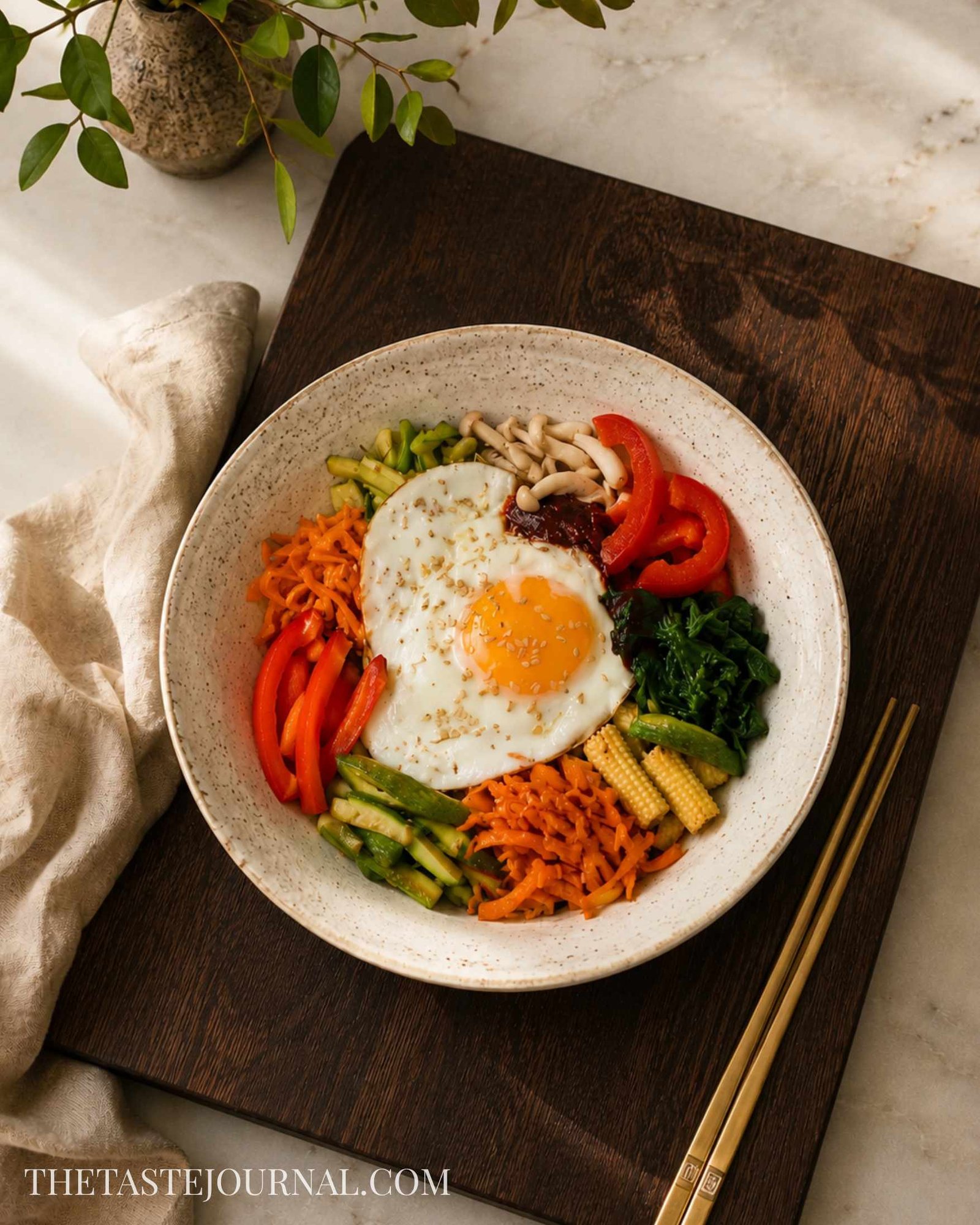
Bibimbap is a vibrant Korean dish made with fresh vegetables. Earthy mushrooms lend a robust flavor, while julienned carrots add a touch of sweetness. Crunchy baby corn is a flavorful addition to bibimbap. Bell peppers and thin slices of baby marrow contribute both texture and taste. Sesame seed oil coats the vegetables and is also drizzled on during the final cooking step to enhance the flavor. The dish primarily relies on gochujang, a hot pepper paste. When gochujang is mixed with the stir-fried vegetables, eggs, and rice, it transforms the dish into a delicious experience.
Instructions
Julienne the baby marrow and cut the carrots into thin strips. Slice the baby corn into small cube-like pieces. Cut the bell peppers into chunks. Trim the shimeji mushrooms at the base and separate them. Preheat a pan over medium-low heat and add 1/2 teaspoon of cooking oil. Cook the baby marrow on medium-high heat for three minutes, then remove it from the pan and set it aside.
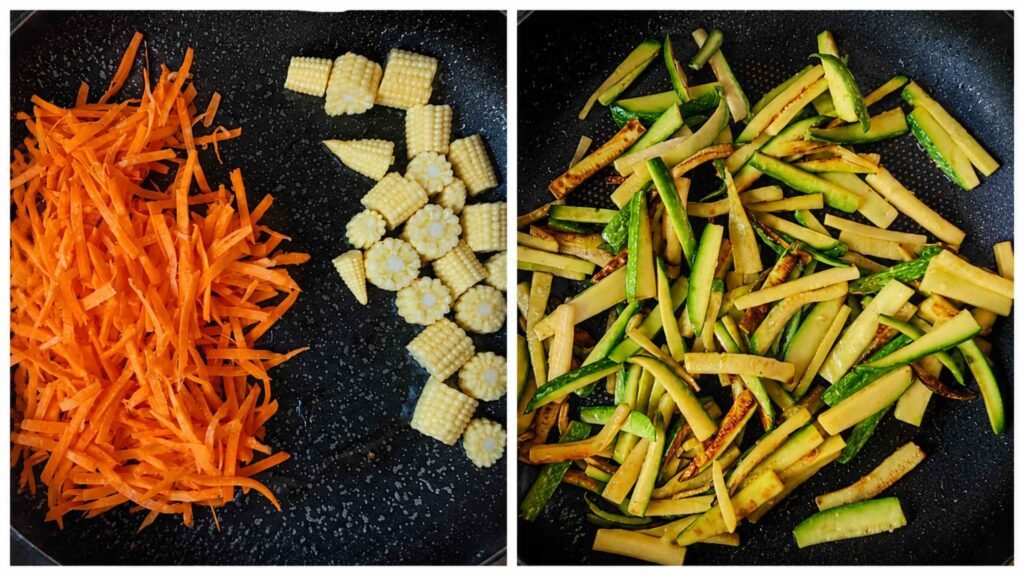
In the same pan, cook the julienned carrots and sliced baby corn for 3 to 5 minutes, sprinkling a pinch of white pepper over the vegetables as they cook. Add the red bell peppers to the pan over medium-low heat with 1/2 teaspoon of cooking oil, and cook for 3 to 5 minutes. Once the red bell peppers have caramelized, set them aside.
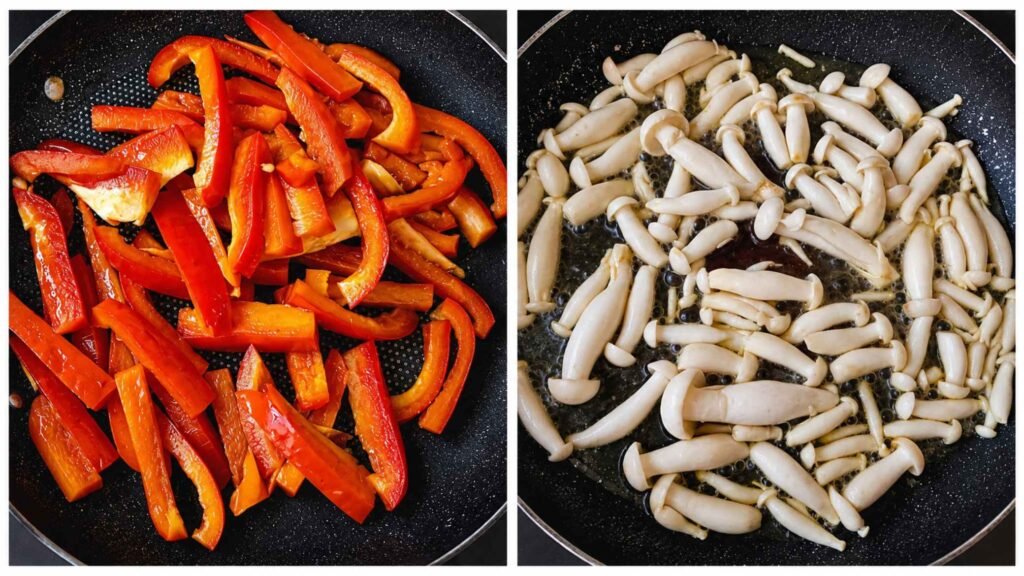
Slice the shimeji mushrooms and cook them over medium-low heat in 1/2 teaspoon of cooking oil for 3 to 5 minutes. Once the mushrooms begin to release water and shrink in size, add salt and white pepper. Be careful not to overcook the mushrooms until all the liquid has evaporated.
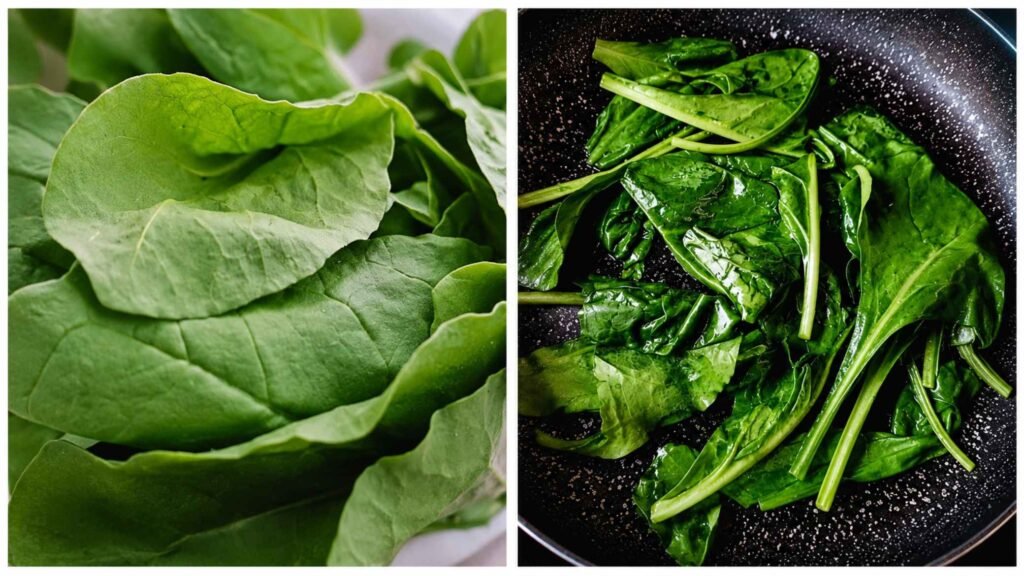
Wash the spinach and pat it dry with a kitchen towel. Add it to the pan and cook for two minutes. Lightly season with salt and white pepper. Remove and set aside.
Place the steamed rice in the center of the bowl, and arrange vegetables around it. Place the Sunny side egg on top of the rice and set the Gochujang next to the egg. Add sesame oil to enhance the flavor. Mix all vegetables, rice, Gochujang, and egg thoroughly. This dish is rich in vibrant colors and boasts extravagant flavors from a variety of vegetables!
Expert tips
To prevent over-salting the vegetables, add a small amount of salt each time. You can substitute the fried egg with cooked beef strips, beef tartare, tofu, or seafood. Bibimbap can be made with a variety of vegetables, such as spinach and bean sprouts. You can adjust the amount of gochujang to change the level of spiciness to your liking.
What can you serve with Bibimbap?
Bibimbap is a colorful dish filled with a variety of vibrant vegetables. Typically, it is served with a Sunny-side-up egg, Mung bean sprouts, or Spring Onion Kimchi. Regular spicy kimchi is also a great accompaniment to bibimbap. A favorite side dish for this meal is dried seaweed coated in olive oil. Bibimbap can also be paired with Doenjang Jjigae, a Korean stew made with fermented bean paste.
How to store the Bibimbap?
To store bibimbap, keep the vegetables in a separate container in the refrigerator. The stir-fried vegetables will remain fresh for 3 to 4 days. You can prepare a fried egg and enjoy bibimbap with rice throughout the week. It is best to prepare the ingredients fresh before freezing.
Ingredients
Vegetables
- 1 Zucchini – cut long and thin like match sticks.
- 1 Carrot – julienned
- 1 Red bell pepper – chopped
- 4-5 Baby corn – sliced horizontally across the core
- 125 grams White mushrooms – sliced
- 5 Garlic cloves – sliced
Protein
- 1 Fried egg (per serving)
Spices
- 1 tbsp Gochujang (per serving)
- Salt and white pepper
- 5 grams Butter
- Sesame oil
- Sesame seeds (for garnish, optional)
- 2 tbsp Vegetable oil
Carbohydrate
- 400 grams Rice
Instructions
- Stir-fry the Vegetables: Each vegetable will require the same amount of cooking oil of 1/2 tsp, a pinch of salt and white pepper while cooking them all separately. Preheat the pan on medium-low heat. Saute the carrot and baby corn for 3-5 minutes. Stir-fry the bell peppers for 5-7 minutes or until brown. Saute the mushrooms for 3-5 minutes or until become soft..
- Spinach: Wash the spinach and stir-fry for two minutes. Place the steamed rice in the centre of the bowl. Prepare the sunny side up fried egg. Place the egg on top of the rice. Decorate the bowl with the vegetables around the rice.
- Gochuchang: Add a dollop of Gochuchang to the side of the dish. Drizzle sesame seed oil. Garnish with sesame seeds.
Nutrition
Calories: 499kcal | Carbohydrates: 100g | Protein: 10g | Fat: 8g | Saturated Fat: 1g | Polyunsaturated Fat: 4g | Monounsaturated Fat: 2g | Trans Fat: 0.05g | Sodium: 33mg | Potassium: 514mg | Fiber: 4g | Sugar: 5g | Vitamin A: 3620IU | Vitamin C: 51mg | Calcium: 36mg | Iron: 4mg
Did you make this recipe?Pin to Save this Recipe
Delicious!