Tom Yum Goong
Tom Yum Goong is a flavorful soup known for its boldness, heat, spice, and tanginess. The name means “boiled together,” with “Goong” translating to “shrimp” in Thai.
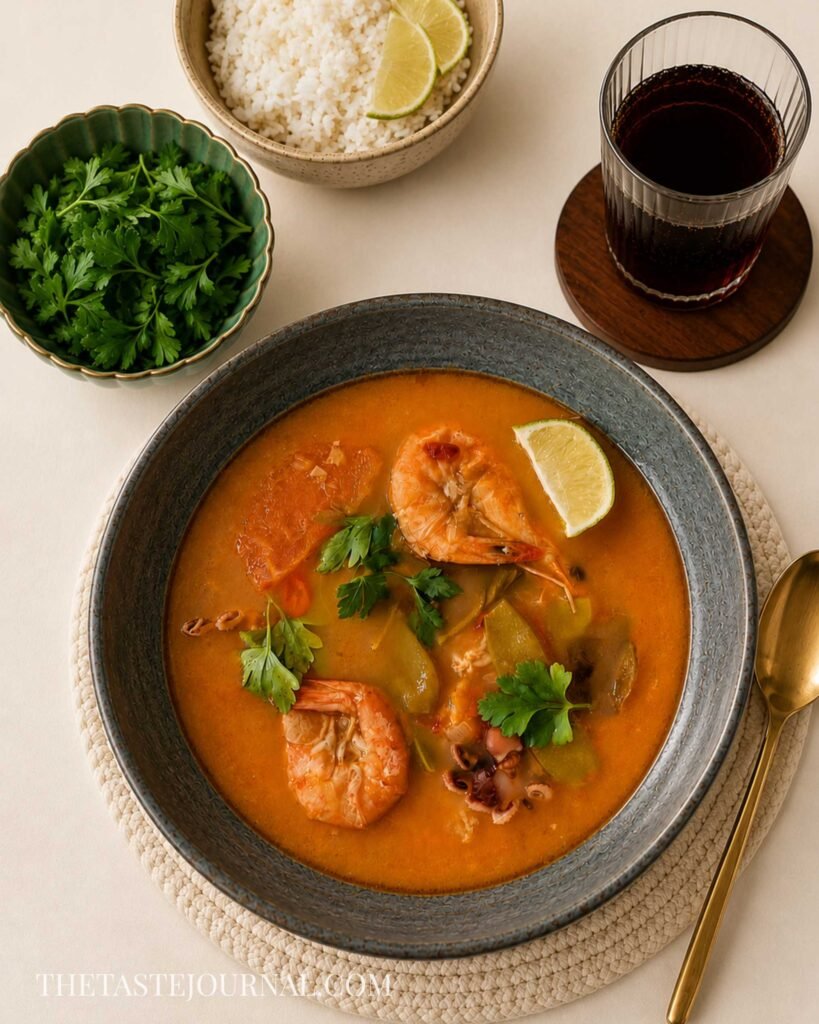
It’s popular both in Thailand and worldwide, with variations including Tom Yum Goong Nam Sai, a clear, tangy broth without coconut milk, and my personal favorite, Tom Yum Goong, which is creamier and richer due to the addition of coconut milk. This version perfectly blends spicy tanginess and creamy indulgence, enhanced by citrusy lime and aromatic herbs.
Ingredients
Shrimp, seafood mix, large tomatoes, mushrooms, snow peas, baby corn, dried red chilies, fish sauce, lime juice, water, cooking oil, sugar, coconut cream, Nam Prik Pao, garlic cloves, lemongrass, galangal, kaffir lime leaves, parsley, red chili.
The essence of Tom Yum Goong soup is in its ingredients, primarily shrimp, complemented by fragrant lemongrass, kaffir lime leaves, lime juice, fish sauce, Thai red chilies, and galangal. Adding mushrooms, tomatoes, and parsley enhances the dish’s complexity. You can use homemade Nam Prik Pao or find high-quality store-bought Thai pastes online, which serve as the soup’s base.
Traditionally, shrimp stock, available in cubes at Thai supermarkets, is used, but you can make it from shrimp shells and heads for better flavor. Choose large, freshwater shrimp with their shells on to prevent them from shrinking during cooking. Adding vegetables like tomatoes, mushrooms, snow peas, and baby corn, combined with coconut cream and fish sauce, creates a rich and authentic soup base.
Instructions
Add cooking oil to the pot. Add the shrimp paste; this step is crucial for releasing its flavors into the oil. Add the Nam prik pao and sauté on low heat for two minutes.
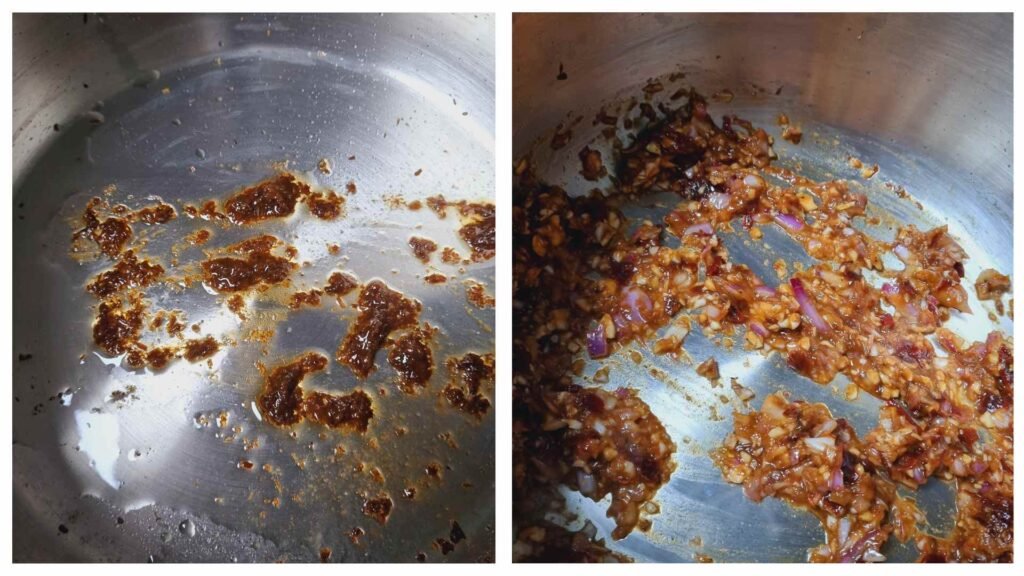
If you can’t find shrimp paste or shrimp block, cook the shrimp heads and shells to make shrimp broth for tom yum goong. Add them with nam prik pao and water, boiling for about 10 minutes. Afterward, remove and discard the shells. Prepare your ingredients by washing them thoroughly. Peel the galangal root and slice it thinly to release its unique flavor, which differs from ginger.
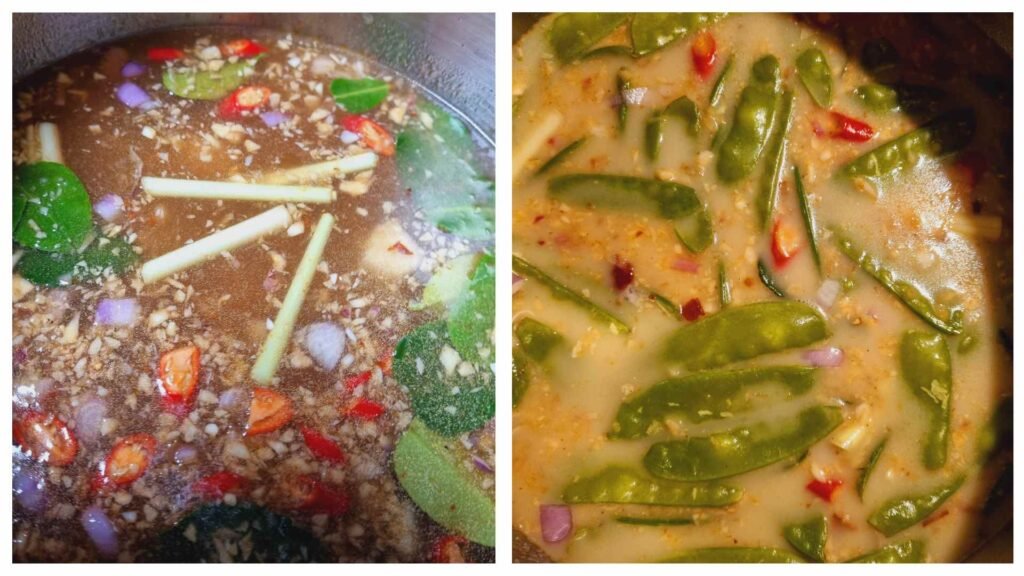
Cut the lemongrass stalks in half to make them easier to handle. The tender base has the best flavor. Slice the Thai red chilies thinly, removing seeds for less spiciness if needed. In a pot, add three cups of water along with the chopped lemongrass, sliced chilies, and a few kaffir lime leaves for fragrance. Bring to a gentle simmer to meld the flavors. Then, stir in the coconut milk, mushrooms, snow peas, baby corn, fish sauce, and sugar. Let it simmer for 15 minutes.
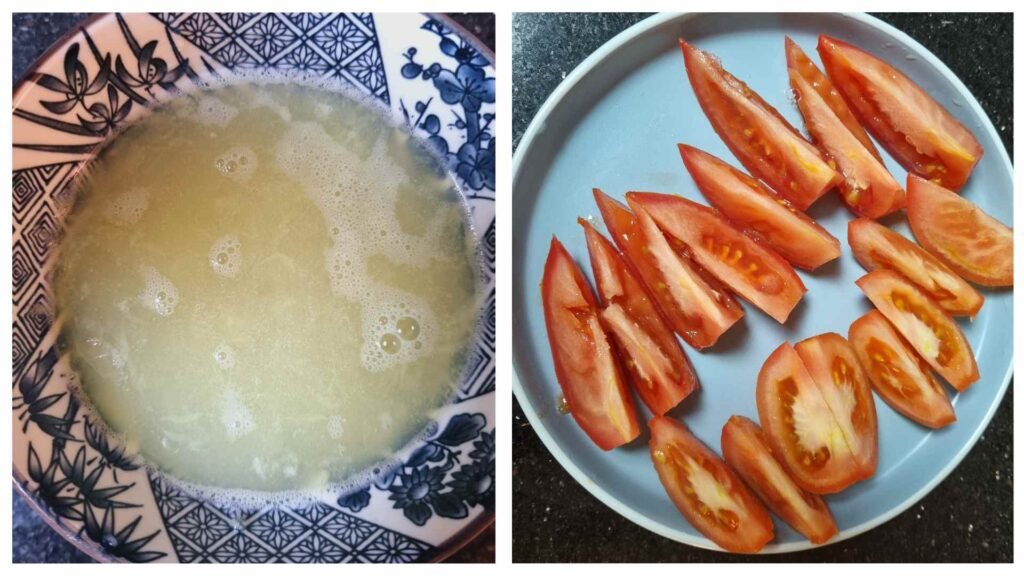
Start by squeezing the juice of five limes into a mixing bowl. Chop two firm tomatoes into small pieces for better flavor. Combine the lime juice and tomatoes in a pot, then simmer on medium-high heat for fifteen minutes, allowing the tomatoes to soften and release their juices. Taste and adjust the seasoning as needed.
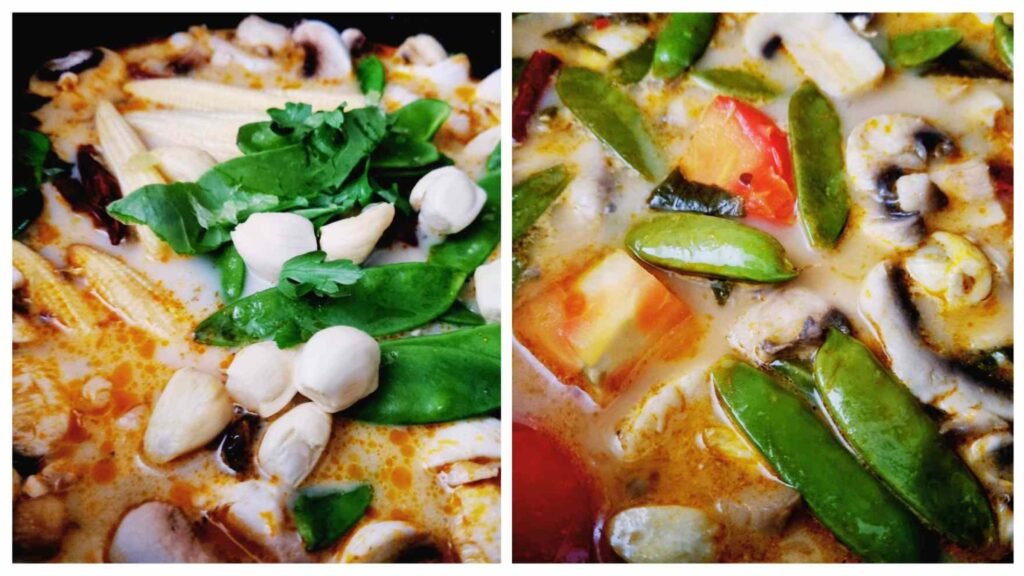
Add the seafood and simmer for four minutes, stirring to ensure all shrimp are submerged. Be cautious not to overcook, as seafood can lose its delicate texture.
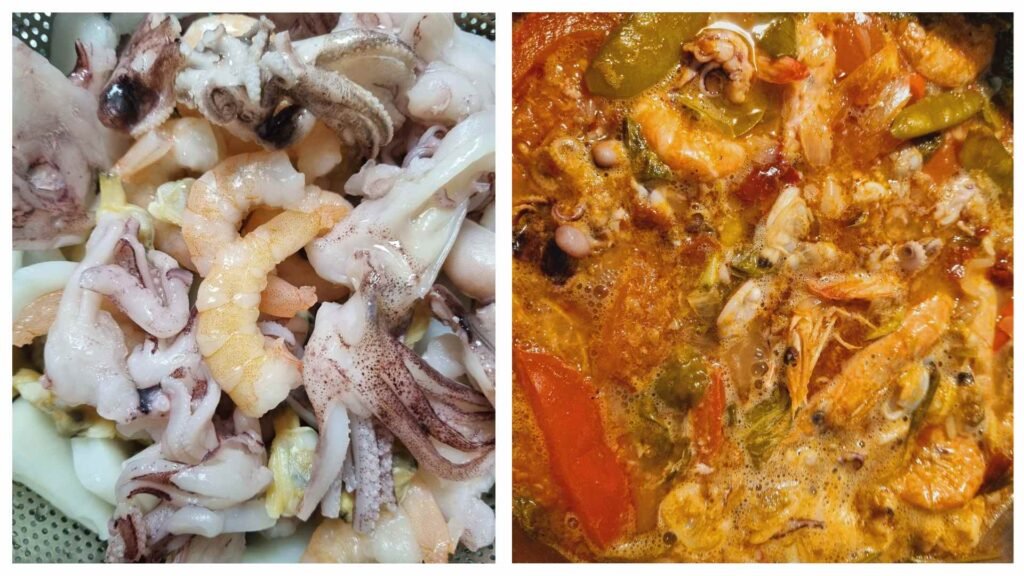
While we’ve added more seafood to the recipe, traditionally, Tom Yum Goong is made with shrimp only. This soup features spicy, salty, sour, and savory flavors, so adjust lime juice, chili jam paste, and fish sauce to your taste.
What can you Serve with Tom Yum Goong?
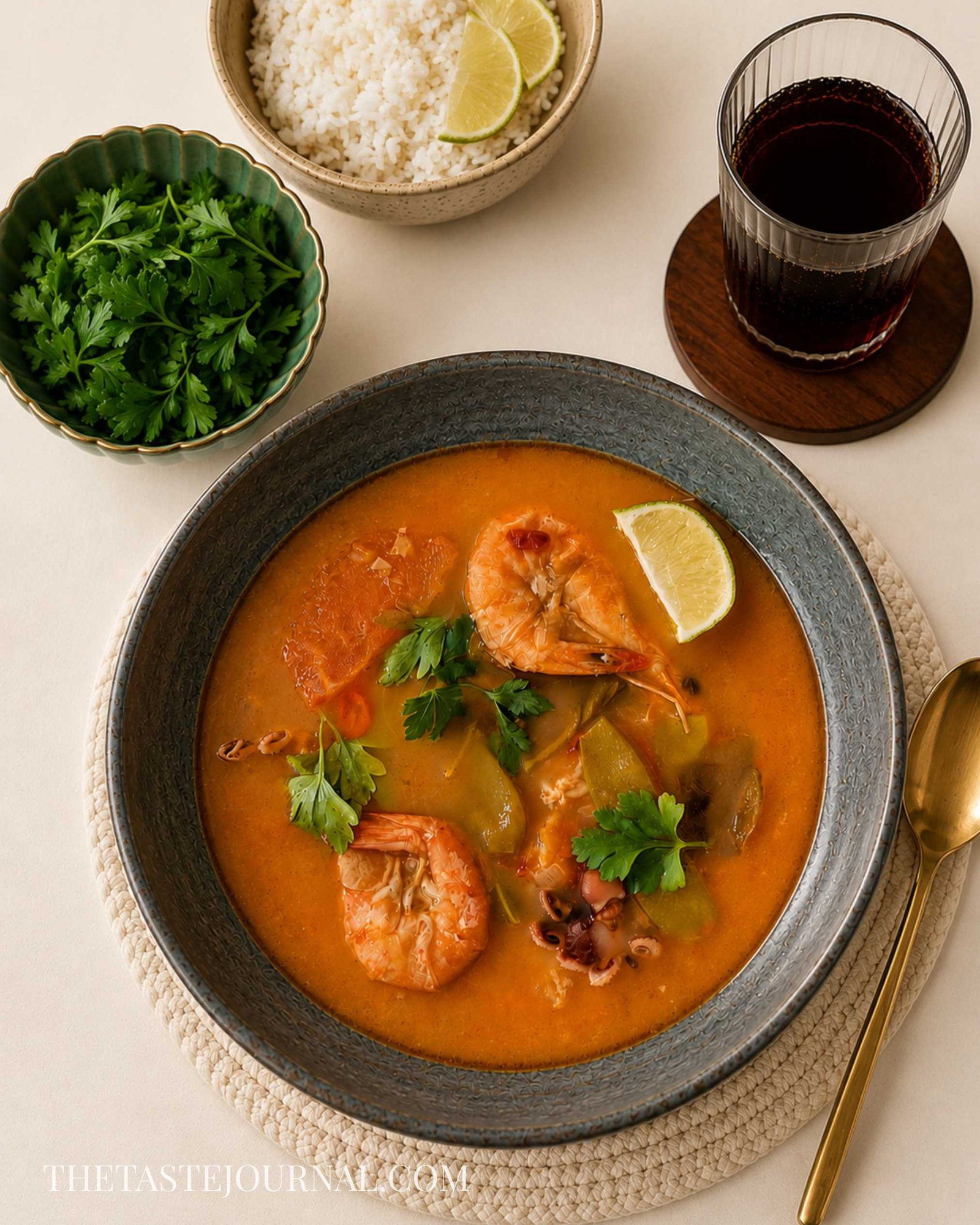
Tom Yum Goong pairs well with Jasmine rice or regular white rice. Some Thai people eat this soup with rice noodles alongside Thai papaya salad. Spring rolls are also another fantastic option to enjoy with Tom Yum Goong.
How to Store Tom Yum Goong?
Store in the fridge for up to one week, then reheat on the stove or in the microwave. Tom Yum soup can be frozen for up to three months in the freezer. To defrost, remove it from the freezer and defrost it on the countertop. Thereafter, reheat on the stove.
Expert tips
If your tom yum goong is too sour, add 1/2 teaspoon of sugar to balance the flavor. Feel free to increase the spiciness by adding more nam prik pao spice or Tom Yum paste from top brands like Aroy-D, Maesri, or Maeploy (3 tablespoons recommended). Use salt sparingly, as store-bought paste already contains sodium. Essential ingredients include fish sauce and lime juice, and remember that galangal cannot be swapped for ginger. If you can’t find nam prik pao, create a flavorful alternative with 3 tsp shrimp paste, 1 tsp lemongrass paste, 6 tsp tom yum goong paste, 2 tsp Thai chili basil paste, and 1 tsp galangal paste.
Ingredients
Seafood
- 250 grams Shrimp – cleaned
- 500 grams Seafood mix – available frozen from the supermarket
Vegetables
- 2 Large Tomato
- 250 grams Mushrooms
- 75 grams Snow peas
- 70 grams Baby corn – Optional
- 3 Dried red chilies
Liquids and condiments
- 2 tsp Fish sauce
- 8 tbsp Lime juice
- 3 cup Water
- 2 tbsp Cooking oil
- 1 tsp Sugar
- 400 ml Coconut cream
Thai Ingredients
- 1/2 Cup Nam Prik Pao (Home made) – 2 tbsp *see note on tom yum pastes.
- 6 Garlic cloves
- 2 Stalks Lemongrass – Or 1 tsp Lemongrass paste
- 1/4 Galangal – Or 1 tsp Galangal paste
- 7 Kaffir lime leaves
Garnish
- Parsley
- 1 Red chili
Instructions
- Cook the Pastes: Preheat the pot on medium-high heat. Drizzle the grapeseed oil and add the shrimp paste, and nam prik pao paste. Pour 50 ml of water and mix the paste for 1 minute by continuously stirring the shrimp paste and cook it in the oil.
- Add liquid: Add 3 cups of water. Add coconut cream and lime juice. Add all the other ingredients with the exception of the shrimp or seafood.
- Shrimp: Add the seafood and tomatoes in the soup in the last four minutes of the cooking time. Cook for four minutes. Remove from heat and serve immediately.
Notes
Tom Yum Goong Paste: Choose one of the mentioned Tom Yum Pastes, or use any Tom Yum Paste you can find. If you can, try to use a specific paste to get an authentic Tom Yum Goong flavor. Other brands of Tom Yum paste (besides the top three mentioned) may be watered down and lack the rich taste of the real dish.
Lemongrass Paste: This paste has a strong, fragrant smell and a citrus taste. If you can find fresh lemongrass, use one or two stalks instead. Wash the stalks, cut them into pieces, and use a mortar and pestle to squeeze out the flavor.
If you can’t find the top three Tom Yum pastes, try these for a rich-tasting Tom Yum Goong: shrimp paste, regular Tom Yum paste, lemongrass paste, galangal paste, and Thai basil chili paste. See measurements below. (Aron D, Mae Ploy and Thai Choice)
Galangal Paste: This paste tastes different from ginger. If you can, substitute with fresh galangal. A small piece is enough.
Shrimp Paste: This has a strong fish flavor. You can substitute it with fresh shrimp broth or a shrimp stock cube. Many Thai restaurants use it in small blocks, called kapi paste, which you can buy in Thailand and some international stores.
Thai Chili Basil Paste: This paste might sound spicy, but it’s not too hot. There are different versions of this paste, some include basil leaves. You can substitute it with chili paste or chili oil, and add Thai basil for more flavor. This paste offers a mild heat.
Nutrition
Calories: 420kcal | Carbohydrates: 55g | Protein: 18g | Fat: 15g | Saturated Fat: 10g | Polyunsaturated Fat: 1g | Monounsaturated Fat: 2g | Trans Fat: 0.001g | Cholesterol: 50mg | Sodium: 761mg | Potassium: 386mg | Fiber: 4g | Sugar: 45g | Vitamin A: 516IU | Vitamin C: 18mg | Calcium: 42mg | Iron: 1mg
Did you make this recipe?Pin to Save this Recipe