Mashed Potatoes
Creamy mashed potatoes are a key component at any family barbecue. While much emphasis is placed on achieving a smooth, luscious texture, it’s easy to overlook the importance of flavor. Many people rely only on butter, cream, and salt to season their potatoes; however, this recipe takes it a step further.
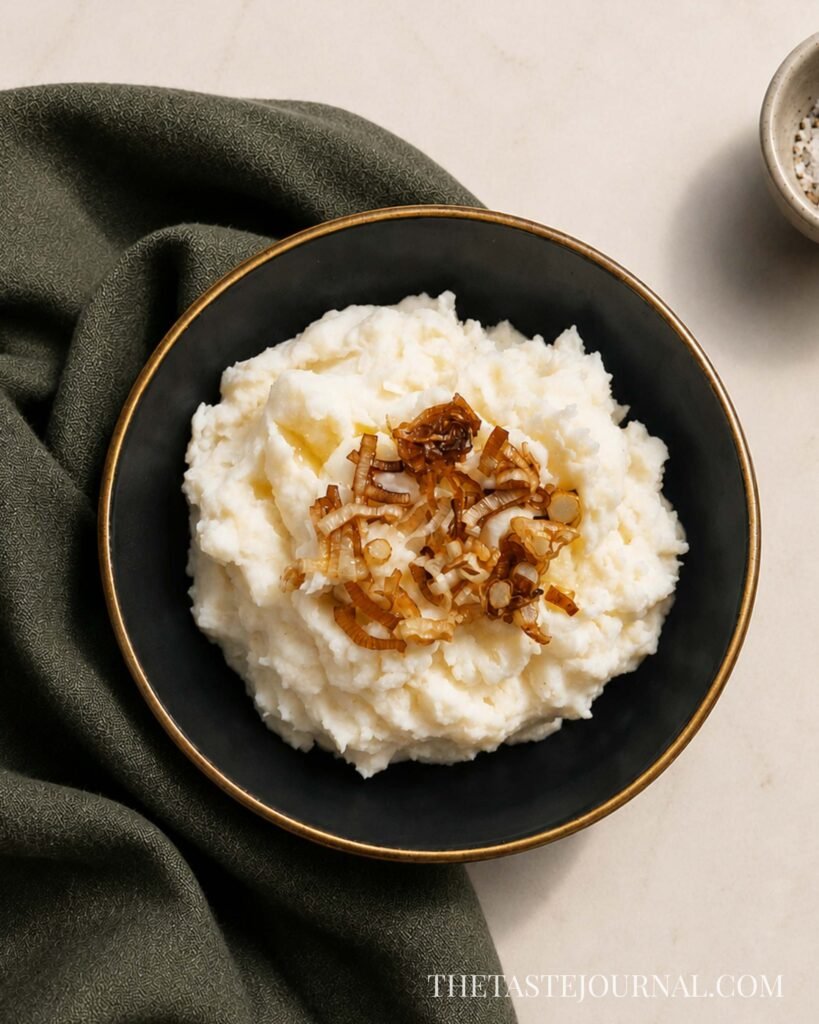
It incorporates a special ingredient that enhances the richness of heavy cream and butter, resulting in mashed potatoes that are not only creamy but also packed with unforgettable flavor.
Before we delve into the ingredient that will transform mashed potatoes from ordinary to extraordinary, let’s talk about the right type of potato to use for mash. Russet Potatoes, known as baking potatoes, are high in starch, which allows them to absorb butter and cream well, making light and airy mashed potatoes. However, avoid overmixing to prevent a gluey texture; they also require more spices due to their milder flavor.
Red Potatoes are low in starch with a slightly sweet, earthy taste and waxy skin. They don’t become gluey if overmixed, but they’re not ideal for mashing. Instead, they’re great cut into quarters, baked with skins, or fried. Medium-starch potatoes can make smooth mashed potatoes but need more butter and cream for flavor. Supermarkets often label potatoes as frying or baking; choose baking potatoes for the best mashed potatoes.
Ingredients
Yukon Gold Potatoes, Butter, Heavy Cream, Celery Salt and Milk.
To enhance the creaminess of mashed potatoes, we recommend that you combine butter and heavy cream for a rich texture or use butter alone in larger quantities. A popular ratio for ultra-creamy mashed potatoes is 60 percent butter to potatoes. For a lighter option, add about 1/4 cup of sour cream to two to four large potatoes for a tangy flavor. Mixing in warm milk also helps with creaminess. You don’t need fancy tools; a fork works, though a potato masher will give you a smoother texture. For the best results, use a potato ricer for restaurant-quality creamy mashed potatoes.
What is the importance of milk in mashed potatoes?
Milk plays a crucial role in achieving smooth and creamy mashed potatoes. It serves to loosen the starch in the potatoes, which can otherwise become dense and dry. Furthermore, milk acts to balance the richness of the butter and cream, ensuring an even distribution of fat content. Notably, incorporating milk also enhances the lightness of the mashed potato texture. When preparing mashed potatoes, it is essential to use milk that is at room temperature. The addition of cold milk may result in a consistency that is stiff and grainy.
Instruction
Peel the potatoes. Cut your potatoes to a similar size; this will shorten cooking time and ensure they cook evenly. Make sure to use a large pot that can accommodate both your potato and water. Add water to a pot and bring to a boil. Add potatoes.
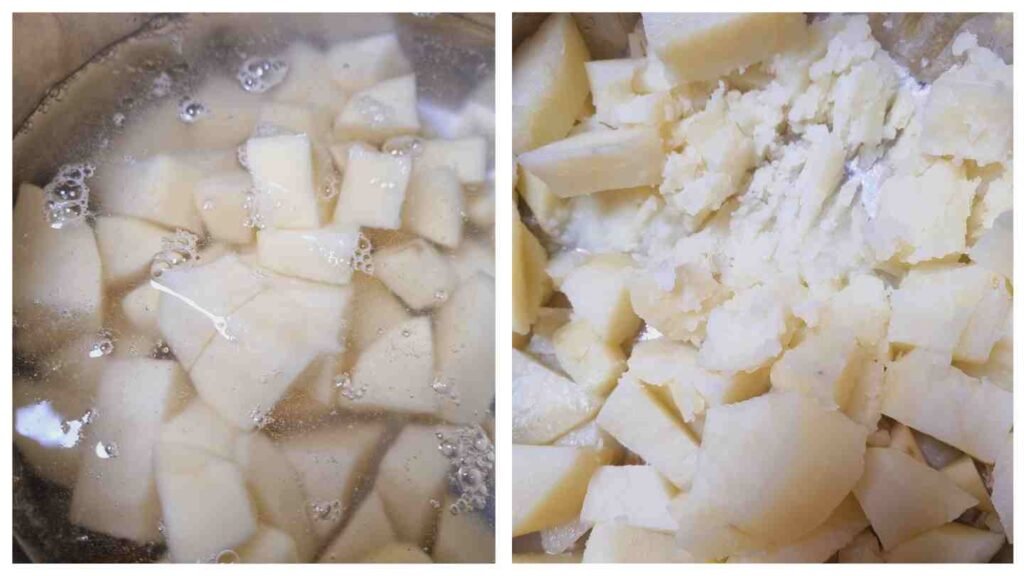
After your potato finishes cooking, it will be soft enough to poke with a fork. It should penetrate easily. Remove from the water and mash your potatoes in a bowl.
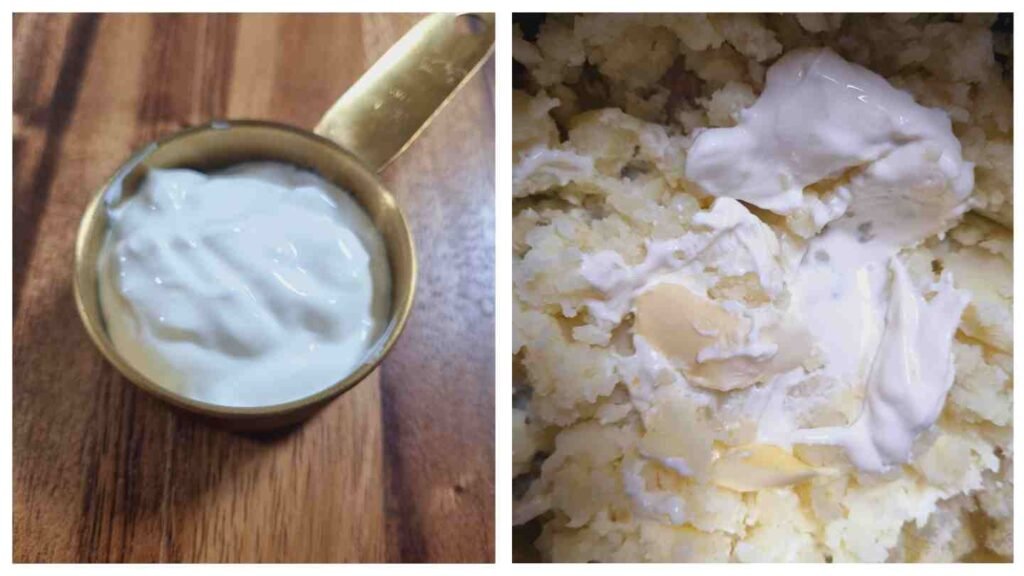
To achieve optimal results, remove the potatoes from the water promptly. Prolonged immersion in water causes the potatoes to absorb excess moisture, compromising their texture and resulting in excessively mushy mashed potatoes. Utilize a potato masher if available; alternatively, a fork may serve as an effective tool.
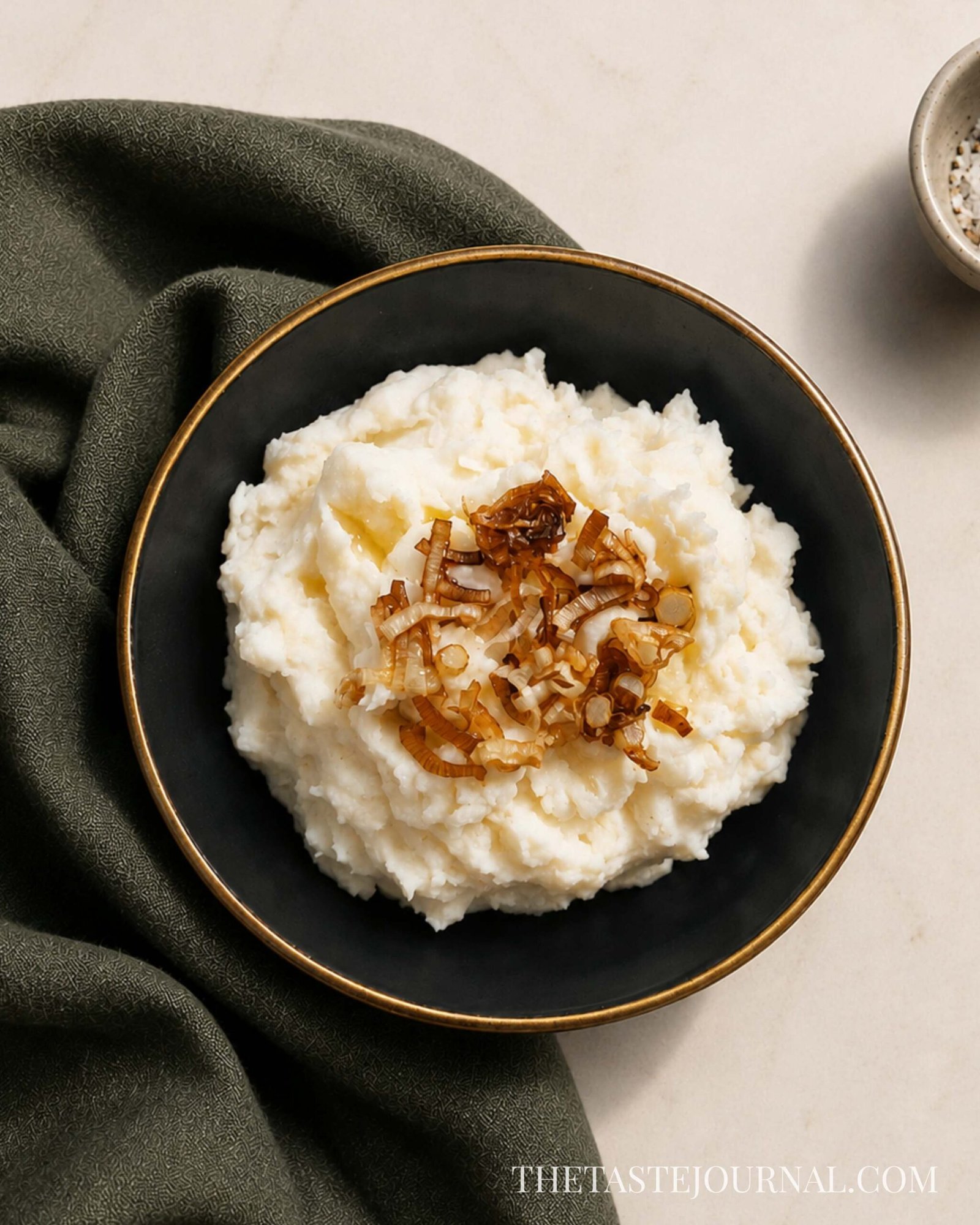
Once a smooth consistency is attained with either the fork or potato masher, incorporate heavy cream and a dollop of butter. This will add a rich ivory hue to the mashed potatoes. Subsequently, add celery salt and white pepper to taste. Ensure that all ingredients are mixed thoroughly, and do not forget to include a garnish of parsley. By following these steps, you will have successfully prepared creamy mashed potatoes.
What to Serve with Mashed Potatoes?
There are so many things you can eat with your mashed potatoes. You can pair mashed potatoes with your protein of choice. It goes well with rib-eye steak, Beef Stew, and Beef Stroganoff. You can also serve mashed potatoes with roasted vegetables. One of the best things about this recipe is its incredible texture.
How to Store your Mashed Potatoes?
Store your garlic butter mashed potatoes in the fridge for 3-4 days. This crowd-pleasing dish is a perfect side dish that can take your main meals to the next level.
Ingredients
- 2 Large Potatoes
- 2 tbsp Butter
- 1/4 cup Heavy cream
- 1/4 cup Milk – Room Temperature
Spices
- 1/4 tsp Celery Salt
Instructions
- Prepare the potatoes: Peel your potatoes. Cut into cubes. Add water to your pot of boiling water, add in your potatoes. Boil for 20 minutes. Remove from water, and mash with fork.
- Mix: Add the butter, milk and heavy cream into your mashed potatoes with salt and pepper. Mix well. Add a light sprinkle of celery salt. Mix and taste. Adjust to suit your taste.
Nutrition
Calories: 174kcal | Carbohydrates: 14g | Protein: 2g | Fat: 12g | Saturated Fat: 8g | Polyunsaturated Fat: 1g | Monounsaturated Fat: 3g | Trans Fat: 0.04g | Cholesterol: 37mg | Sodium: 418mg | Potassium: 81mg | Fiber: 0.2g | Sugar: 9g | Vitamin A: 487IU | Vitamin C: 0.2mg | Calcium: 89mg | Iron: 0.3mg
Did you make this recipe?Pin to Save this Recipe