Shchi
In Russia, shchi is much more than a cabbage soup. It has been part of Russian cooking for centuries and is valued for its simplicity, hearty ingredients, and ability to feed a family through the colder months.
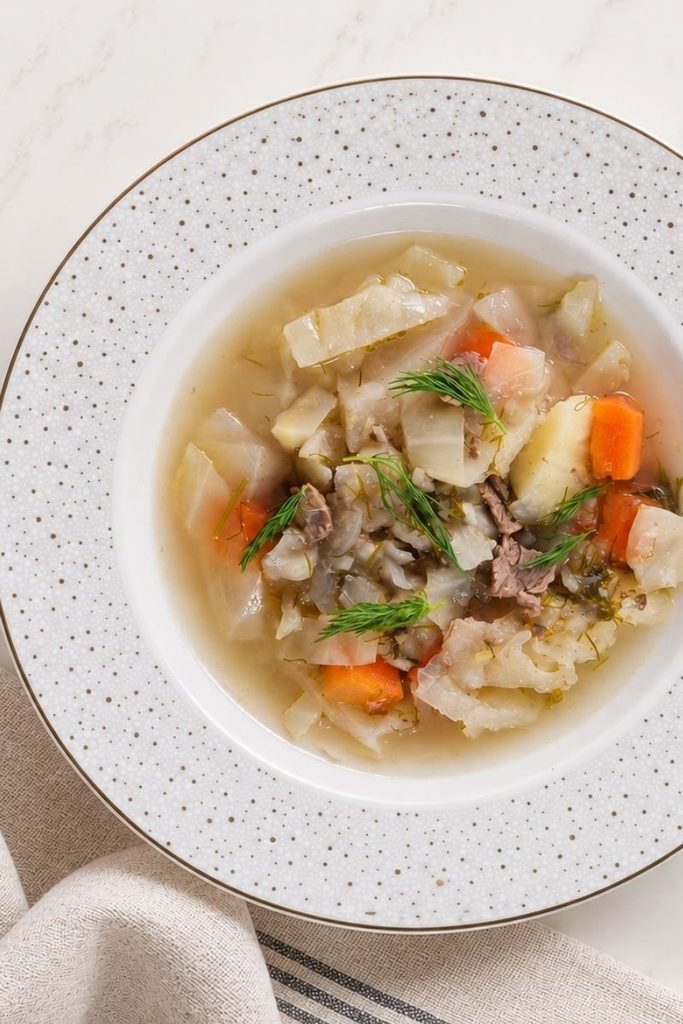
Shchi is pronounced “shchee” and is written as щи in Russian. The name comes from an old East Slavic word associated with food or sustenance. Cabbage-based soups were known in Kyivan Rus as early as the 9th century, around the time cabbage became established in the region.
The beauty of shchi is that there isn’t just one recipe. You can make it with fresh or fermented cabbage, with beef, chicken, mushrooms, or no meat at all. This version uses fresh white cabbage, beef, potatoes, garlic, and fresh dill for a comforting bowl with a light sour note from apple cider vinegar.
What is Shchi?
Shchi is a traditional Russian cabbage soup made with cabbage, broth, and vegetables. Beef is often used for a richer version, although vegetarian and mushroom-based versions are also common.
There are several types of shchi.
Fresh cabbage shchi has a mild, slightly sweet flavor, while sour shchi uses sauerkraut and has a more pronounced tang. Green shchi is another variation made with leafy greens such as sorrel rather than cabbage. This recipe is a fresh-cabbage shchi, so the flavor is gentle and savory rather than strongly sour.
A Little History of Russian Shchi
Cabbage became an important ingredient in Russian cooking because it could be stored for long periods and, when fermented, preserved for the winter. Fermented cabbage, known as kvashenaya kapusta, became an especially useful ingredient during the colder months.
Shchi eventually became a staple of Russian cooking and was prepared in both wealthy and humble households. The ingredients could change depending on what was available. A richer pot might contain beef and a substantial broth, while a simpler version could be made with cabbage, onions, and vegetables.
Traditionally, shchi was also associated with slow cooking. Older versions could be left to cook gently in a Russian stove, letting the cabbage, meat, and vegetables soften and the flavors develop gradually.
Ingredients
White Cabbage, Potato, Carrot, Garlic Cloves, Onion, Beef Sirloin, Celery, Beef Stock Cube, Dill, Bay Leaf, Apple Cider Vinegar, Black Pepper Powder, Butter, and Water.
White cabbage is ideal for this soup due to its unique flavor. You can prepare the broth from scratch using beef on the bone or choose a vegetarian version. Common meats include beef brisket, shank, or short ribs, while sirloin can create a lighter broth. Onions, carrots, and potatoes add nutrition, and a splash of apple cider vinegar brings tartness. Fresh dill enhances the flavor and presentation, and the broth is seasoned with salt and black pepper for balance.
Instruction
Peel and slice the onions and garlic cloves. Rinse and cut the celery stalk into small half-inch cubes. Wash and peel the carrot. Remove the top layer of the cabbage and discard it. Thereafter, cut the cabbage in half, then into four quarters, and slice the cabbage.
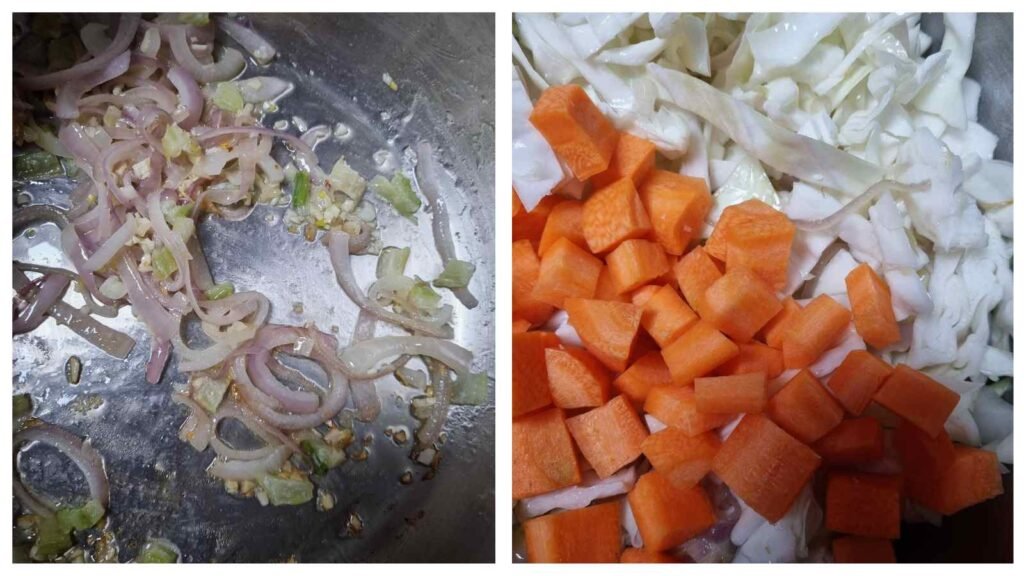
Add butter and cooking oil to a pot. Add the onions and sauté for 5 to 7 minutes, then add the celery and garlic. Sauté for 3 to 4 minutes. Add the cabbage and carrot, and sauté for 8 minutes. During this time, the vegetables will soften slightly.
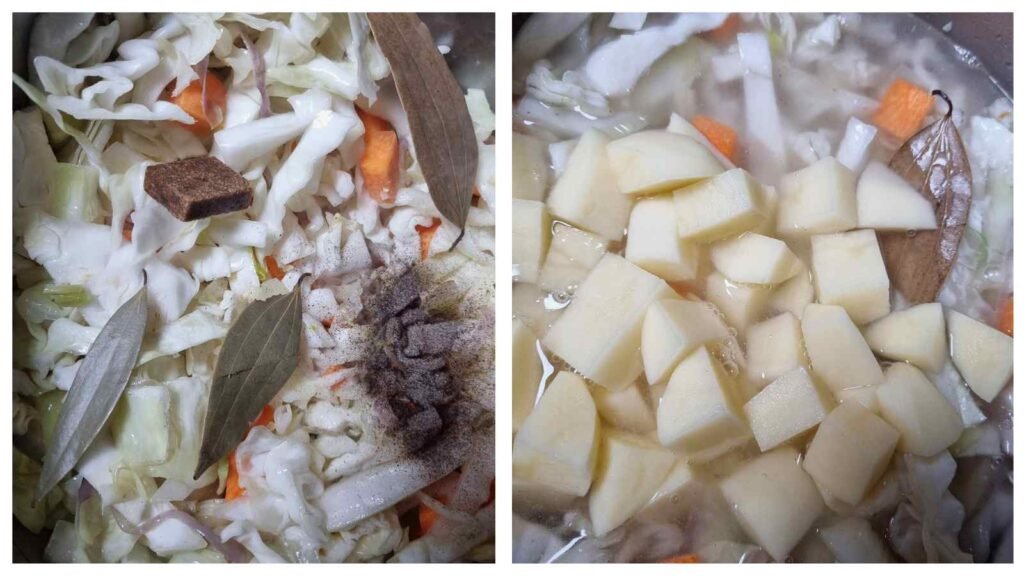
Add the bay leaves, black pepper, apple cider vinegar, beef stock cube, and salt. Add water and add the potatoes. Slice the beef into cubes and add it to the pot. Simmer on medium-low heat for 90 minutes. Wash fresh dill and reserve until the last five minutes of cooking.
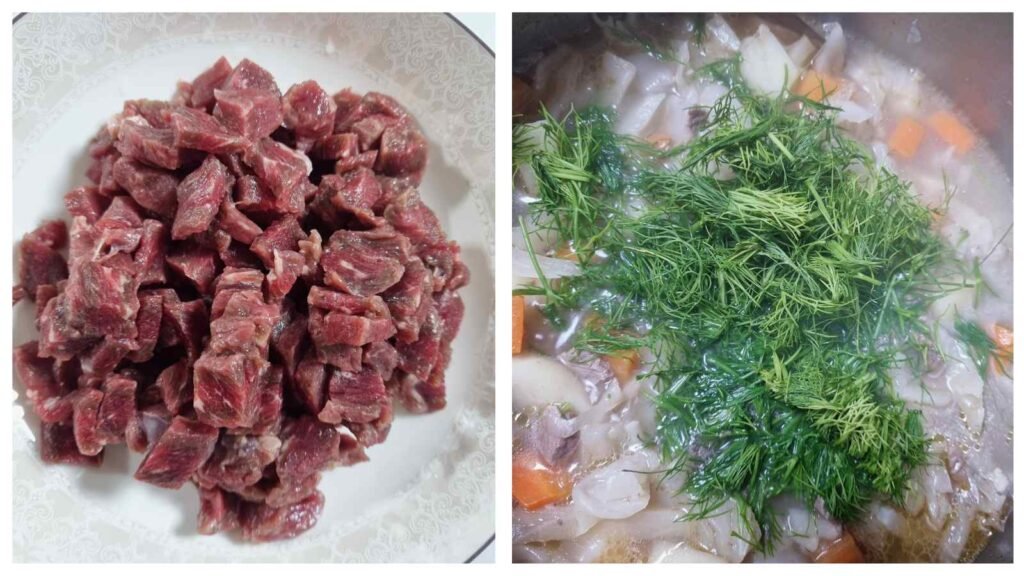
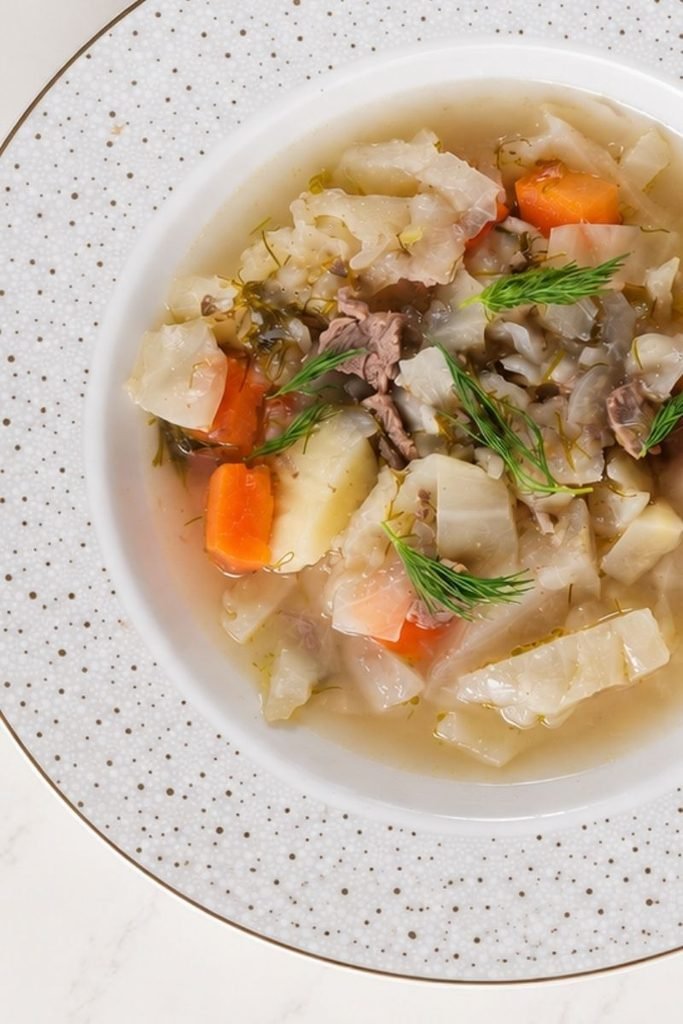
Add the dill to the cabbage soup in the last 5 minutes. Taste the sShchi is a hearty soup made with cabbage and vegetables, often enjoyed with buttered bread and topped with sour cream and fresh dill. Traditionally, it was cooked in a clay oven called a ‘Pech,’ allowing the flavors to develop gradually throughout the day, resulting in a deep, caramelized flavor and a mellow tartness.
Fresh Cabbage or Sauerkraut for Shchi?
Both work, but they produce different soups. Fresh cabbage makes a milder shchi with a delicate sweetness. It is particularly good when you want a lighter everyday soup.
Sauerkraut makes sour shchi, with a stronger fermented flavor and more acidity. If your sauerkraut is particularly salty or sour, taste it before adding it to the soup and adjust the seasoning accordingly. Some versions combine fresh cabbage and sauerkraut to balance the two.
Expert Tips
Caramelizing the onions is one of the most important steps to making a delicious bowl of shchi. Don’t rush the first stage of cooking. Lightly browning the onions gives the soup a sweeter, deeper base.
Sautéing the cabbage adds another layer of flavor and prevents the soup from tasting like vegetables simply boiled in stock. Use bone-in beef for a richer broth. Beef shank or short ribs are especially good when you have time to make a deeper stock.
Taste before adding extra salt. Stock cubes and fermented cabbage can both contain quite a lot of salt. Adjust the acidity carefully. Apple cider vinegar should brighten the broth, not dominate it. Let the soup rest.
This recipe benefits from sitting for a little while after cooking. The flavors settle and round out. Make it ahead when possible. Like many slow-cooked soups, shchi can taste even better after resting overnight as the flavors have more time to come together.
Can You Make Shchi Without Beef?
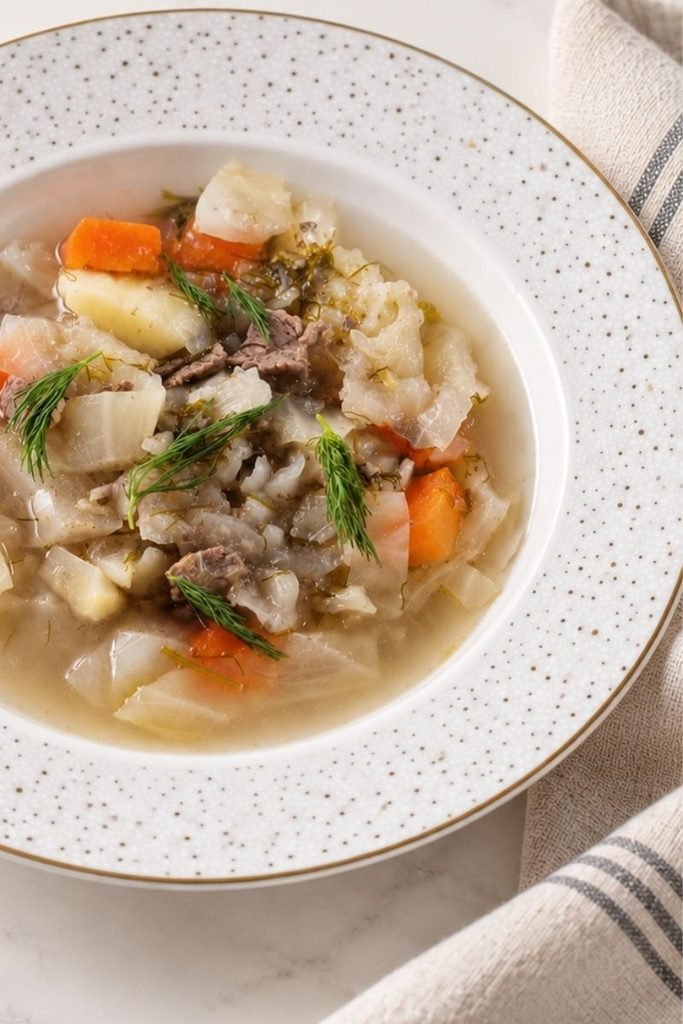
Yes. You can easily make this recipe without meat. For a vegetarian version, replace the beef stock with vegetable stock. Mushrooms are another excellent addition because they add a savory, earthy flavor that works particularly well with cabbage.
Traditional shchi has never been limited to one type of meat or a single ingredient list. People have also prepared meat-free versions, particularly during periods of religious fasting.
Can You Make Shchi in a Pressure Cooker?
Yes. For a pressure cooker, sauté the onions, garlic, and cabbage first using the sauté function. Add the remaining ingredients and cook under pressure until the beef is tender.
For this recipe, about 45 minutes under pressure is a good starting point, though the exact time will depend on the cut and size of the beef pieces. Let the pressure release according to your cooker instructions, then taste and adjust the seasoning.
Frequently Asked Questions
Is shchi the same as Russian cabbage soup?
Yes. Shchi is the Russian name for a family of cabbage-based soups. Fresh cabbage shchi is commonly described in English as Russian cabbage soup.
Is shchi made with fresh cabbage or sauerkraut?
Both. Fresh cabbage produces a milder soup, while sauerkraut produces sour shchi with a stronger tang.
What meat is traditionally used in shchi?
Beef is one of the most common choices, although poultry and other meats can also be used. Bone-in beef such as shank or short ribs is particularly good for a rich broth.
Can I make vegetarian shchi?
Absolutely. Use vegetable or mushroom broth instead of beef stock and leave out the meat. Mushrooms make a particularly good addition to vegetarian version.
Does shchi taste better the next day?
Many cooks find that it does. Resting gives the cabbage, broth, meat, and seasonings more time to come together, making the flavor rounder and deeper.
What can you Serve with Shchi?
Shchi is typically topped with sour cream and enjoyed with dark rye or buttered white bread. Pirozhki, small pastries filled with potatoes and meat, make a great side. Add pickles to balance the flavors, and hard-boiled eggs for protein, especially in vegetarian versions. Explore more delicious recipes such as Beef Stroganoff and Borscht.
How to Store Shchi?
Once the soup has cooled, store it in an airtight container in the fridge for 3 to 5 days. Reheat on the stove-top or in the microwave. You can freeze this soup for up to 3 months.
Shchi shows how much flavor can come from a short list of everyday ingredients. Cabbage, potatoes, carrots, onions and beef come together in a simple broth, while dill and a touch of acidity keep the finished soup fresh. This fresh-cabbage version is mild, hearty, and easy to make at home.
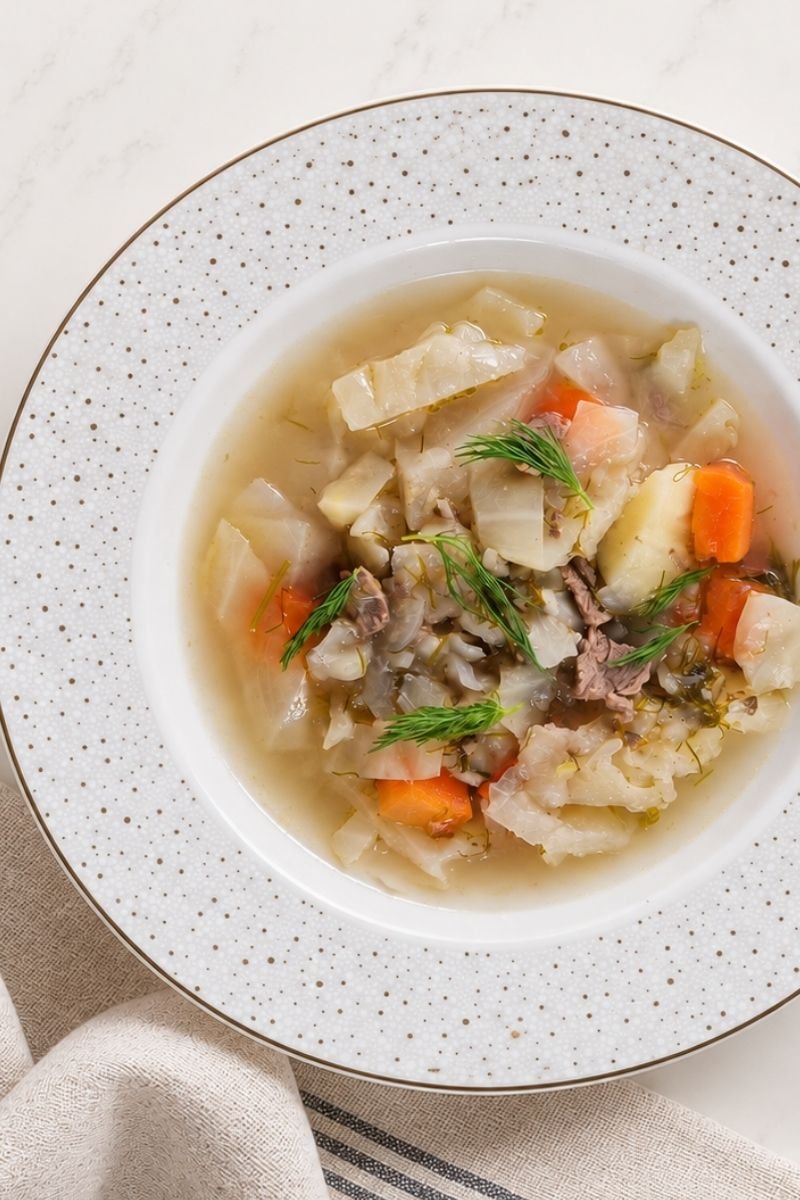
Learn how to make traditional Russian cabbage soup, known as shchi. A comforting, hearty soup made with cabbage, vegetables and simple pantry ingredients.
Ingredients
- 470 grams Beef
- 1½ Liters Water
Vegetables
- 500 grams White Cabbage
- 400 grams Potatoes
- 1 Carrot
- 7 Garlic cloves
- 20 grams Celery
Flavour Enhancers
- 1 tsp Black Pepper
- 1 tbsp Apple Cider Vinegar
- 3 tbsp Butter
- 40 grams Dill
- 1 Beef Stock Cube
- 3 Bay leaves
Instructions
- Prepare the Vegetables: Peel and slice onions and garlic. Dice the celery, wash and peel the carrot, and slice the cabbage after discarding the outer layer.
- Sauté the ingredients: In a pot, heat butter and cooking oil. Sauté onions for 5-7 minutes, then add garlic and celery. Sauté for 3-4 minutes. Add sliced cabbage and carrot, cooking for 8-10 minutes until slightly softened.
- Add the seasoning and beef: Stir in bay leaves, black pepper, apple cider vinegar, beef stock cube, salt, and water. Cube the beef and add it to the pot.
- Simmer: Add potatoes and simmer on medium-low heat for 90 minutes. Wash fresh dill and set aside. Add the Dill in the last five minutes of cook time. Serve with bread.
Nutrition
Calories: 112kcal | Carbohydrates: 25g | Protein: 3g | Fat: 0.5g | Saturated Fat: 0.2g | Polyunsaturated Fat: 0.1g | Monounsaturated Fat: 0.1g | Trans Fat: 0.02g | Cholesterol: 0.03mg | Sodium: 697mg | Potassium: 493mg | Fiber: 4g | Sugar: 7g | Vitamin A: 1812IU | Vitamin C: 46mg | Calcium: 80mg | Iron: 1mg
Did you make this recipe?Pin to Save this Recipe