Creamy Hummus
Today, we are making hummus, a delicious, creamy dip made with lemon juice, mashed chickpeas, tahini, olive oil, and garlic.
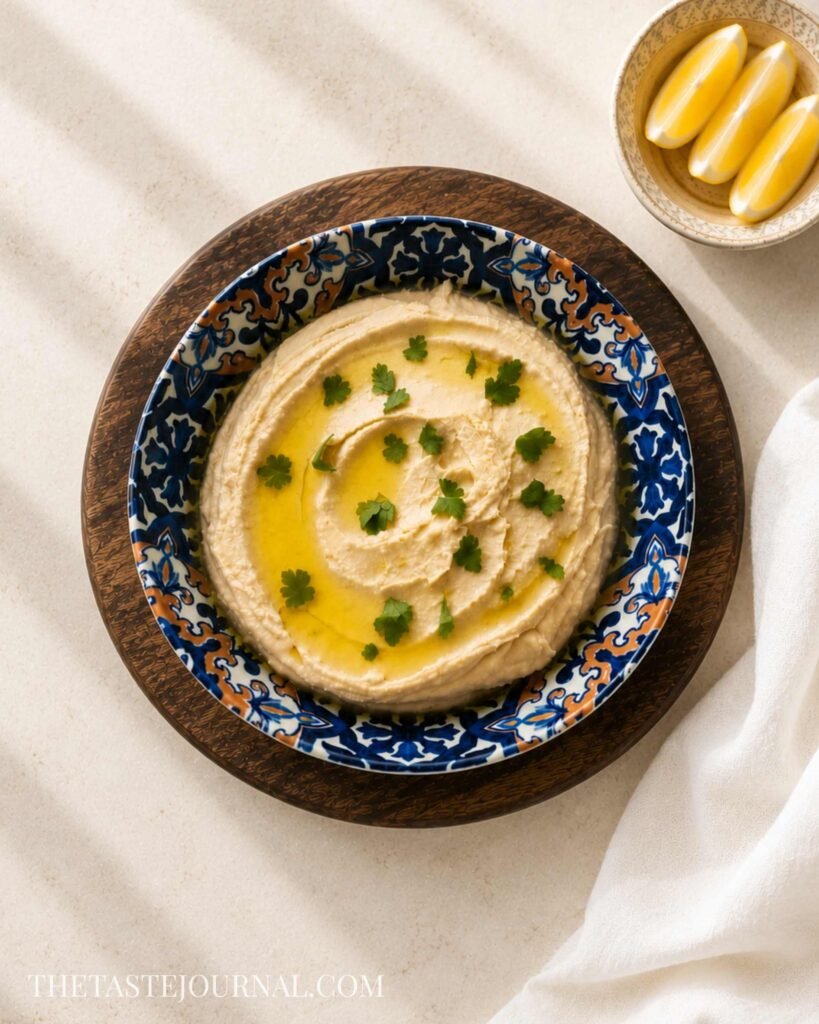
Traditionally, hummus was prepared using a mortar and pestle, but today it is typically made in a food processor. This dish can be enjoyed with a variety of dishes. Chickpeas have been cultivated in Mesopotamia (Iraq) since 3000 BC. The earliest known hummus recipes are found in Ancient Egyptian texts!
Ingredients
Lemon juice, Olive oil, Aquafaba, Canned Chickpeas, Tahini, Garlic Cloves, Baking soda, Salt, Cumin.
Lemon juice and olive oil add a wonderful flavor to hummus! Using canned chickpeas makes things super easy for whipping up this recipe at home. If you’re feeling adventurous and want to use uncooked chickpeas, just remember to soak them overnight and boil them for about an hour to get them nice and soft. When it comes to tahini, pick a brand that you can easily find and that fits your budget—there’s no need to stress over a specific label to make your hummus shine! Just keep in mind that tahini is made from sesame seeds and vegetable oil, which is what gives it that delicious taste.
Many people make tahini at home. To do this, toast 1 cup of sesame seeds in a pan until they release a nutty aroma and turn golden in color. Allow them to cool slightly, then add the seeds to a food processor along with a few drops of neutral oil. Blend until smooth.
If you are using store-bought tahini, make sure to stir it well before using it, as the natural oils can separate and the ground sesame seeds may settle at the bottom. Mixing it thoroughly will ensure a smooth consistency. For hummus, you can add garlic cloves for heat, along with baking soda, salt, and cumin. Use a blender or food processor for the best result. Additionally, reserve the aquafaba from canned chickpeas to achieve an incredibly smooth and creamy hummus.
Instructions
Drain the aquafaba (Liquid from the chickpea can) into a cup and set aside. Add the chickpeas to a small pot of water and bring it to a rolling boil on high heat. Add one teaspoon of baking soda. Cook for 30 to 35 minutes.
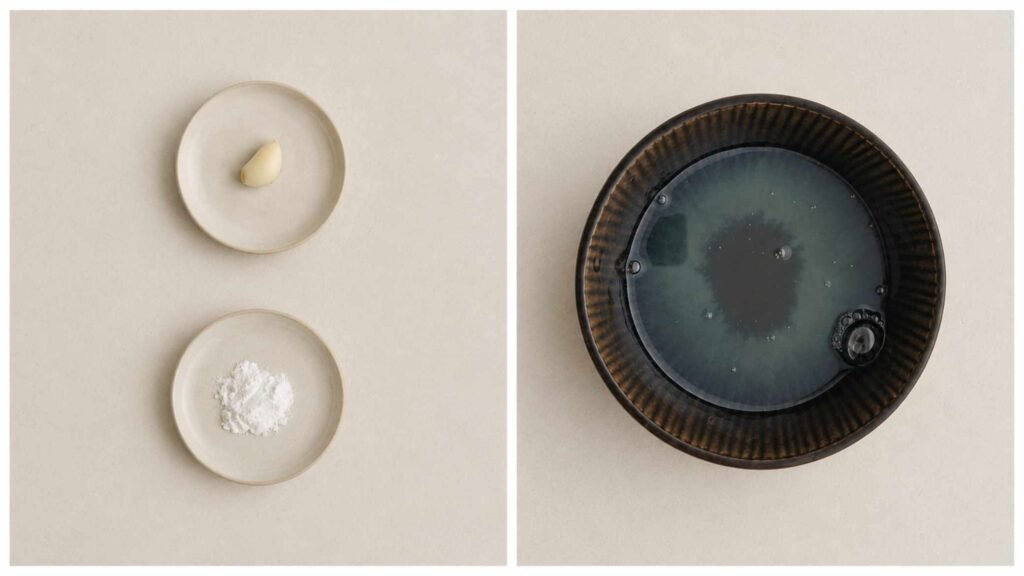
This step creates creamy hummus; the baking soda helps break down the chickpeas’ skins. Smash a chickpea to test if it is ready. Once cooked, drain the chickpeas and set them aside.
Add lemon juice and tahini to the food processor. Blend for one to three seconds until creamy. Then add a pinch of salt, pepper, cumin, and garlic, and blend for approximately 30 seconds—a short note on blender types or food processors. You don’t need anything fancy. And when the chickpeas are pre-cooked, they blend super easily.
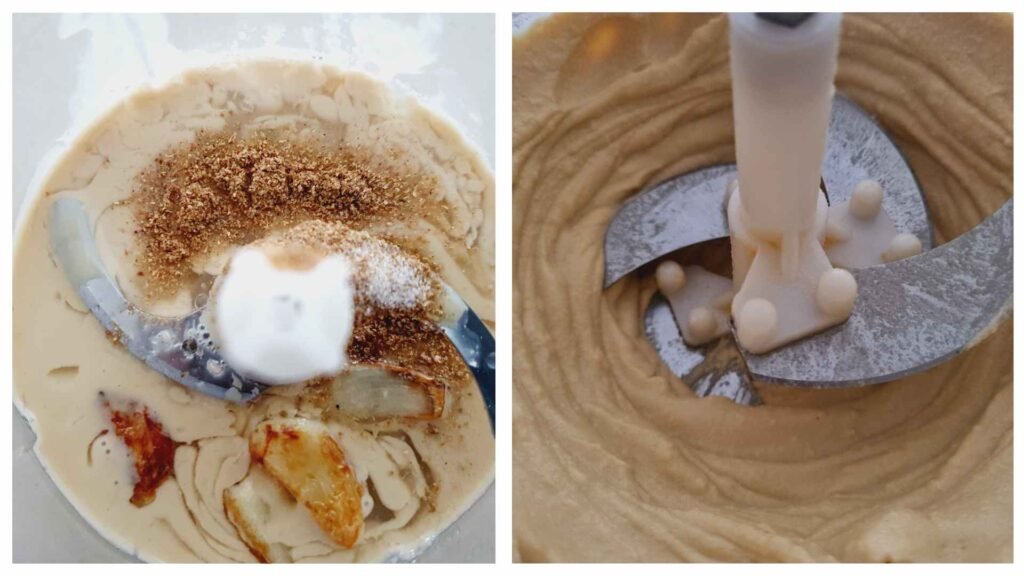
Add the aquafaba and blend until the hummus is smooth and creamy. Occasionally, stop, scrape up the bits on the bottom of the blender with a spoon, and mix again. To loosen the texture, add more aquafaba and lemon juice.
How to Store Hummus?
Hummus will last four to seven days in the fridge. Make sure to drizzle olive oil over the hummus. Freezing hummus is also possible. Add the hummus to an airtight container or freezer-safe bag and freeze. It will last two to three months. Freezing is an excellent way to extend the shelf life.
What to Serve with Hummus?
This is a vital dish in the Middle East. In fact, no meal is complete without it. It is perfect for most types of grilled meats and barbecues. It is also exceptional inside wraps, such as Shawarma. There are so many things that you can eat with this side dish. Consider serving alongside Lamb chops, Grilled Rib-eye steak, and Grilled Chicken. Also, make sure to incorporate some Tabbouleh and this Middle Eastern Garlic Yogurt, which is very similar to Toum.
Ingredients
- 400 grams Chickpeas
- 4 tbsp Lemon juice -1 1/2 whole lemons squeezed
- 1/4 cup Aquafaba
- 1/4 cup Tahini
Spices
- 1 Garlic
- 1 tsp Ground cumin
- 1/4 tsp Salt
Instructions
- Boil the chickpeas: Open the can of chickpeas, reserve all the aquafaba (This is the liquid inside of the chickpea can). Add the chickpeas to a small pot of water, add 1 teaspoon of baking soda. Bring to a boil and cook for 30 to 35 minutes. Once cooked, drain the water and set aside. Add the spices, lemon, tahini and garlic to the food processor and blend.
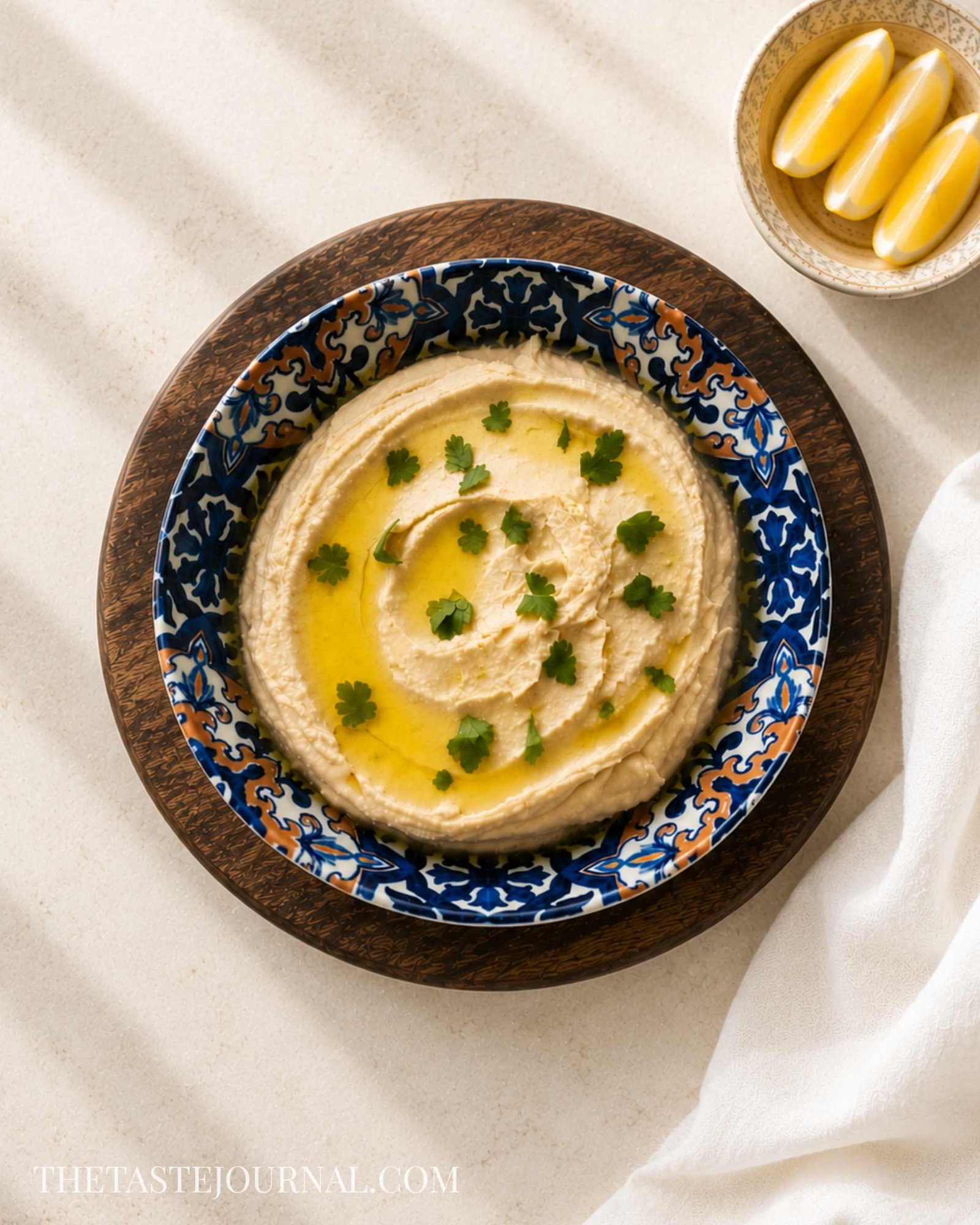
- Blend: Add the cooked chickpeas. Blend again, add 1/4 cup of aquafaba. Continue to blend until smooth. Taste the salt content. Typically aquafaba is made with salt and water. You may only need a pinch of salt to balance out the flavor. Drizzle with olive oil. Garnish with parsley.
Nutrition
Calories: 260kcal | Carbohydrates: 32g | Protein: 12g | Fat: 11g | Saturated Fat: 1g | Polyunsaturated Fat: 5g | Monounsaturated Fat: 4g | Cholesterol: 0.5mg | Sodium: 35mg | Potassium: 392mg | Fiber: 8g | Sugar: 5g | Vitamin A: 45IU | Vitamin C: 8mg | Calcium: 78mg | Iron: 4mg
Did you make this recipe?Pin to Save this Recipe