Delicious Lasagne
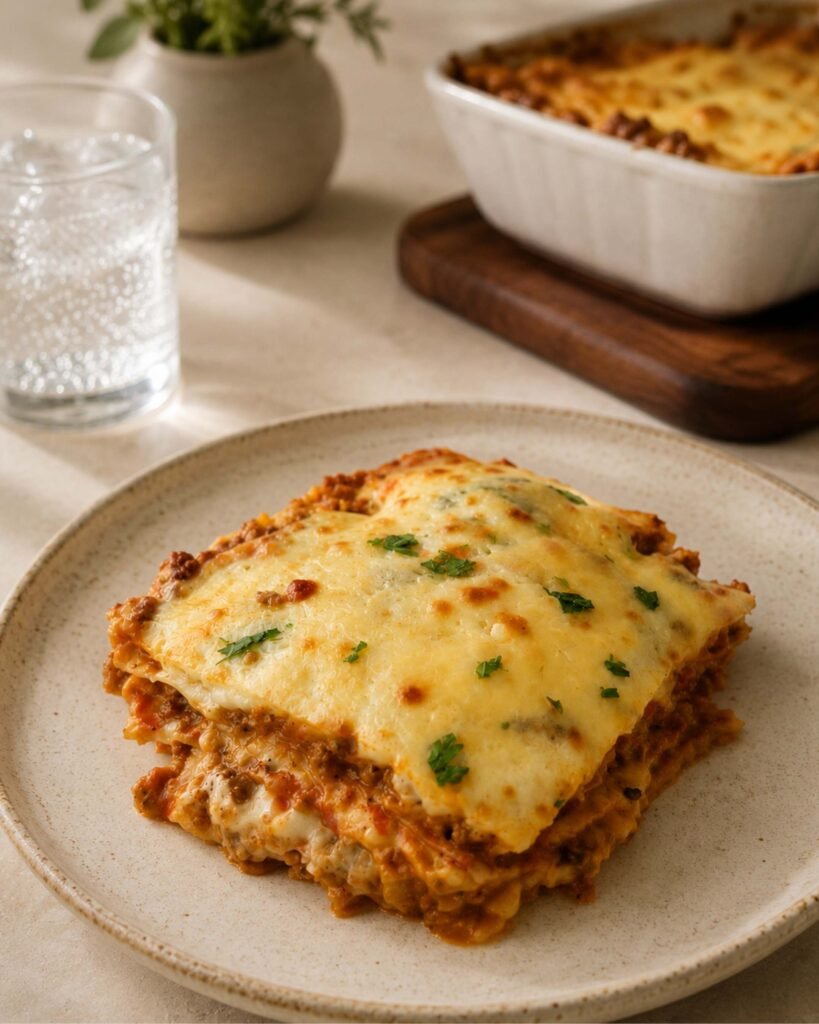
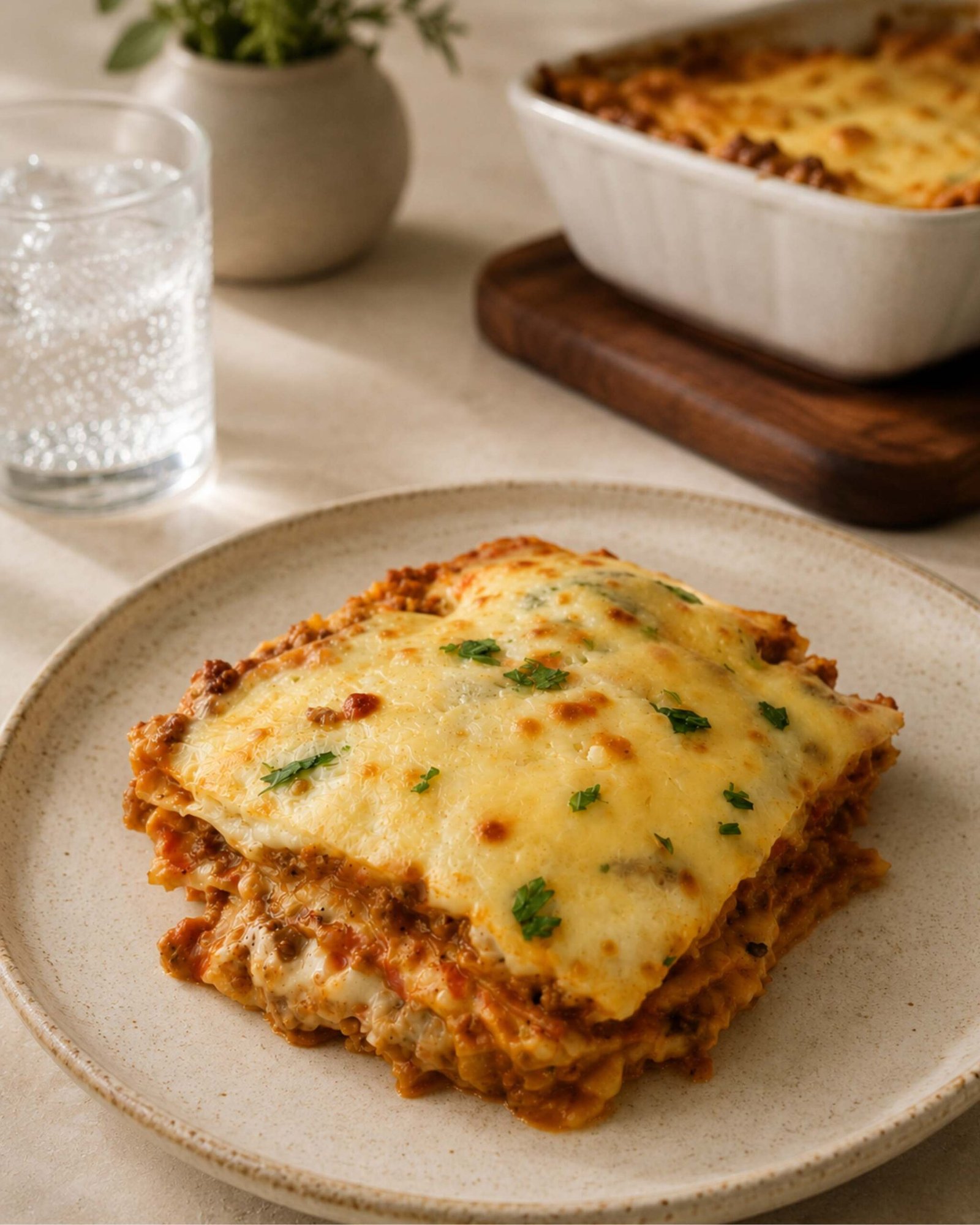
Today, we are making lasagna, which is one of the heartiest and most comforting dishes in the world. It is rich and cheesy, with layers of creamy béchamel sauce alternating with minced meat nestled in bolognese sauce between the lasagna sheets.
The origins of lasagne can be traced to ancient civilizations; specifically, the Greeks, they had a dish known as “Laganon,” which consisted of layers of pasta combined with sauce. The Romans enhanced this dish by incorporating meat, cheese, spices, and herbs, thereby creating a more complex dish. It was in the 14th century that the Italians began to refer to their layered pasta as “lasagna,” a term derived from the Greek word “lasanon.”
The combination of béchamel sauce and Bolognese sauce became the two primary components of lasagna. The introduction of tomatoes, which became widely available and popular in Europe, allowed the Italians to incorporate them into their pasta dishes. While mozzarella and Parmesan cheese are typically used in lasagna, other popular cheeses include provolone or cheddar.
Ingredients
Carrot, Olive oil, Heavy cream, Oyster sauce, Beef stock cube, Beef mince, Nutmeg, Dried Oregano, Basil, Passata sauce, Tomato paste, Lasagne sheets, Cheddar cheese, Butter, All-purpose flour, Milk, Salt, Nutmeg, and mozzarella cheese.
Bolognese sauce includes ground beef, tomatoes, oregano, basil, nutmeg, beef stock, and heavy cream for balance. Sautéed carrots, onions, and garlic add natural sweetness. A béchamel sauce provides creaminess in lasagna. Oyster sauce deepens the flavor, while Worcestershire sauce can be a substitute.
Lasagna sheets may require soaking or can be layered directly, so check package instructions. Béchamel sauce takes under 10 minutes to make or can be bought pre-made. Simmer the Bolognese sauce for about 60 minutes, and let the lasagna rest for ten to 15 minutes before serving.
Preparation of bolognese sauce can be conducted in advance, allowing for its use on subsequent days. A clever strategy for expediting the preparation of bolognese sauce involves utilizing a commercially available version and incorporating minced beef directly into it. By allowing this mixture to simmer for a duration of 15 minutes and seasoning it according to the mentioned recipe, one can significantly reduce the overall cooking time.
Instructions
Grate Parmesan and mozzarella cheeses. Prepare the béchamel by melting five tablespoons of butter, stirring in 1.5 tablespoons of flour to create a roux, and gradually whisking in 1.25 cups of milk until smooth. Season with salt and a pinch of nutmeg.
In another pan, heat two tablespoons of olive oil and add minced beef, optionally with a splash of oyster sauce. Cook for about ten minutes. Next, heat olive oil and butter in a separate pan, then sauté sliced onions, bay leaves, and minced garlic.
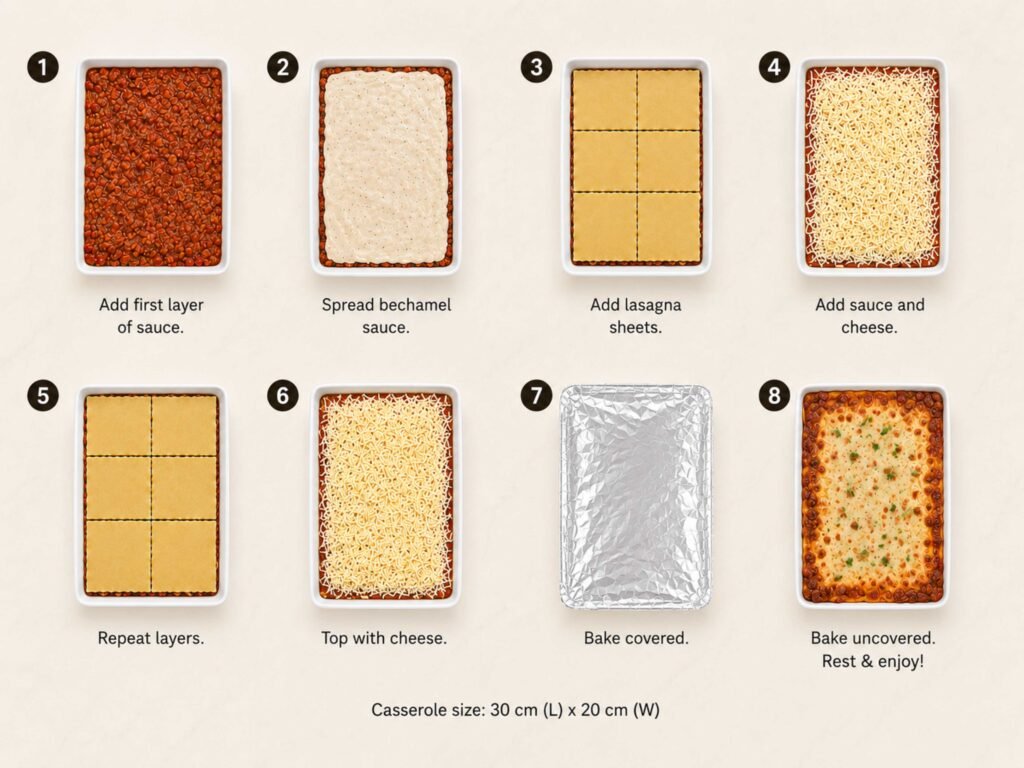
Stir in a can of tomatoes, chopped fresh tomatoes, tomato paste, and water, along with spices like dried basil, paprika, oregano, thyme, brown sugar, Worcestershire sauce, and salt. Once the beef is cooked, add it to the sauce and let it simmer for 45 to 60 minutes.
Prepare a casserole dish by layering bolognese sauce at the bottom, followed by béchamel sauce, and a layer of lasagna sheets. Repeat the layering process for two more layers, finishing with remaining sauce and a generous layer of mozzarella. Bake in a preheated oven at 375°F (190°C) covered for 30 minutes, then uncovered for an additional 15 minutes. Enjoy the lasagna as a cherished family dish!
How to Store Lasagne?
After baking, let the Lasagna cool for thirty minutes. Slice it into portions and place them in a Tupperware. Store it in the fridge for 2 to 5 days, or freeze it for 2 to 3 months.
What to Serve with Lasagne?
Lasagna pairs well with Garlic bread, which is a classic choice for soaking up the bolognese sauce. A fresh salad with a light vinaigrette will balance the richness of this dish.
Ingredients
Main ingredient
- 400 grams Lasagna sheets
Bolognese Sauce
- 1 cup Carrot – grated
- 2 tbsp Olive oil
- 1/2 cup Heavy cream
- 2 tbsp Oyster sauce – or 1/4 cup red wine
- 1 Beef stock cube
- 600 grams Beef mince
- 1 tsp Nutmeg
- 1 tsp Dried Oregano
- 1 tsp Basil
- 500 grams Passata sauce – or marinara sauce
- 2 tbsp Tomato paste
Toppings
- 1/2 cup Cheddar cheese – grated
- 1/2 cup Mozzarella cheese – grated
Bechamel Sauce
- 5 tbsp Butter
- 1 1/2 tbsp All-purpose flour
- 1 1/2 cup Milk
- 1 tsp Salt
- 1/2 tsp Nutmeg
- 1/2 cup Mozzarella Cheese – optional
- 1/2 cup Cheddar cheese – optional
Instructions
- Make the Bolognese sauce: Preheat a pot on medium-high heat. Add olive oil, minced beef, and the oyster sauce. Cook the beef mince for 15 minutes. Break the meat apart while cooking. Add the sliced onion and finely minced garlic to the pot. Add the tomato passata and paste to the pan with the minced beef. Add the spices. Cook the Bolognese sauce for sixty minutes while stirring occasionally.
- Make the Béchamel: Melt butter in a small pan. Add flour and mix. Pour the milk in at a gradual rate. Add the spices and the cheeses. Mix well. Creating the béchamel sauce will take a few minutes to thicken up.
- First layer: Add Bolognese sauce and spread it out to cover the surface of the casserole. Then cover the sauce with the lasagne sheets. Minimize the overlapping of lasagne sheets so that they are cooked evenly.
- Second layer: Cover the lasagna sheets with bolognese sauce and add the béchamel sauce. Now, add lasagna sheets to cover the béchamel sauce.
- Third layer: Add the last batch of Bolognese sauce on the third layer of lasagna sheets and cover them with mozzarella and cheddar cheese.
- Bake the lasagne: Bake the lasagne in the oven on 375’F or 190’C. The covered lasagne will be baked for 30 minutes, and then baked for 15 minutes uncovered.
Notes
If using store-bought bolognese sauce. Leave out the passata sauce, tomato paste, beef stock cube and omit salt since the sauce will be preseasoned. Reduce the oyster sauce from 2 tbsp to 1 tbsp.
Nutrition
Calories: 700kcal | Carbohydrates: 60g | Protein: 34g | Fat: 36g | Saturated Fat: 17g | Polyunsaturated Fat: 2g | Monounsaturated Fat: 12g | Trans Fat: 1g | Cholesterol: 114mg | Sodium: 792mg | Potassium: 614mg | Fiber: 3g | Sugar: 11g | Vitamin A: 3730IU | Vitamin C: 2mg | Calcium: 364mg | Iron: 3mg
Did you make this recipe?Pin to Save this Recipe