Panang Curry Paste
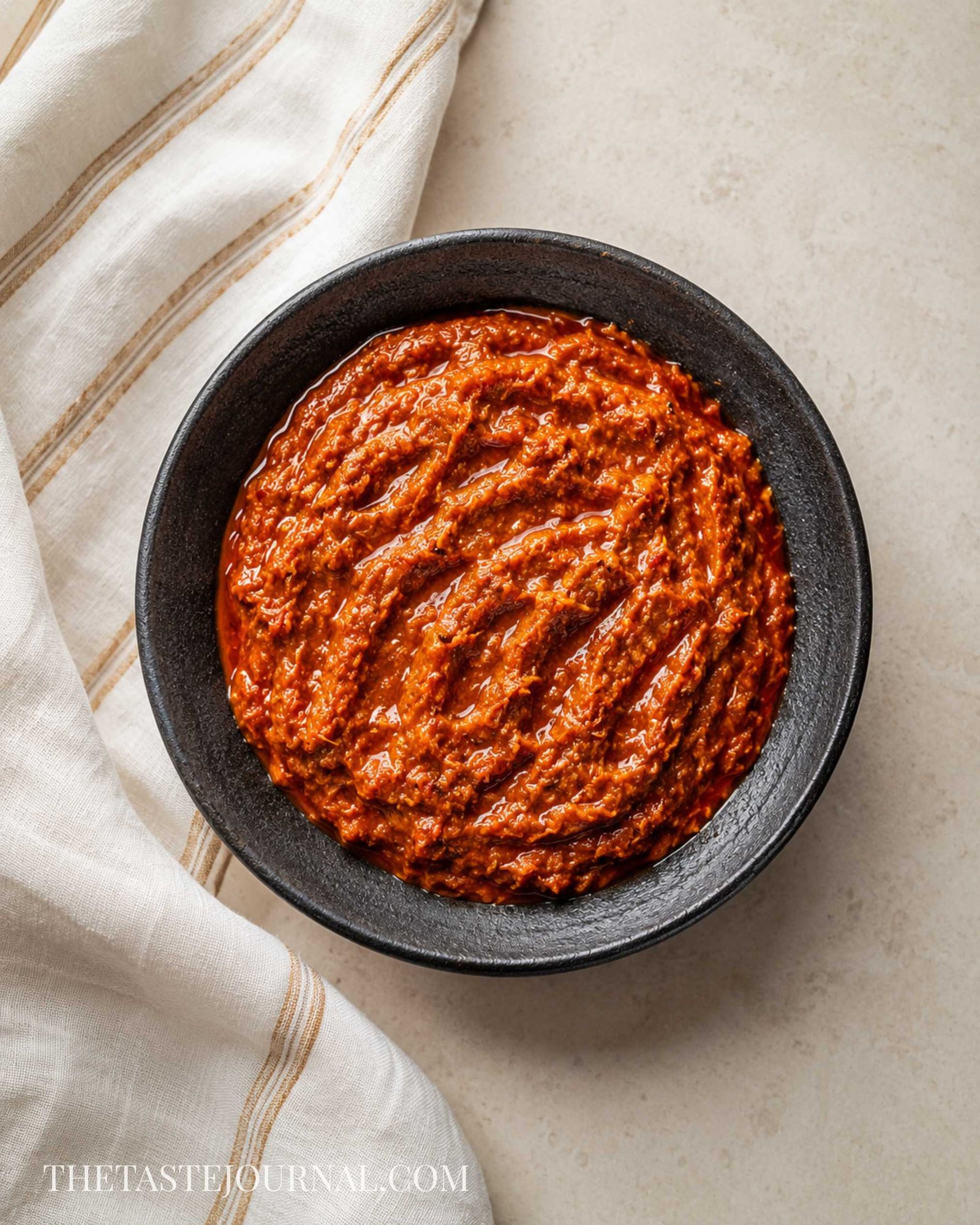
Panang curry paste serves as an important component for both Panang and red curries. Preparing it at home provides a more authentic culinary experience compared to purchasing the store-bought version.
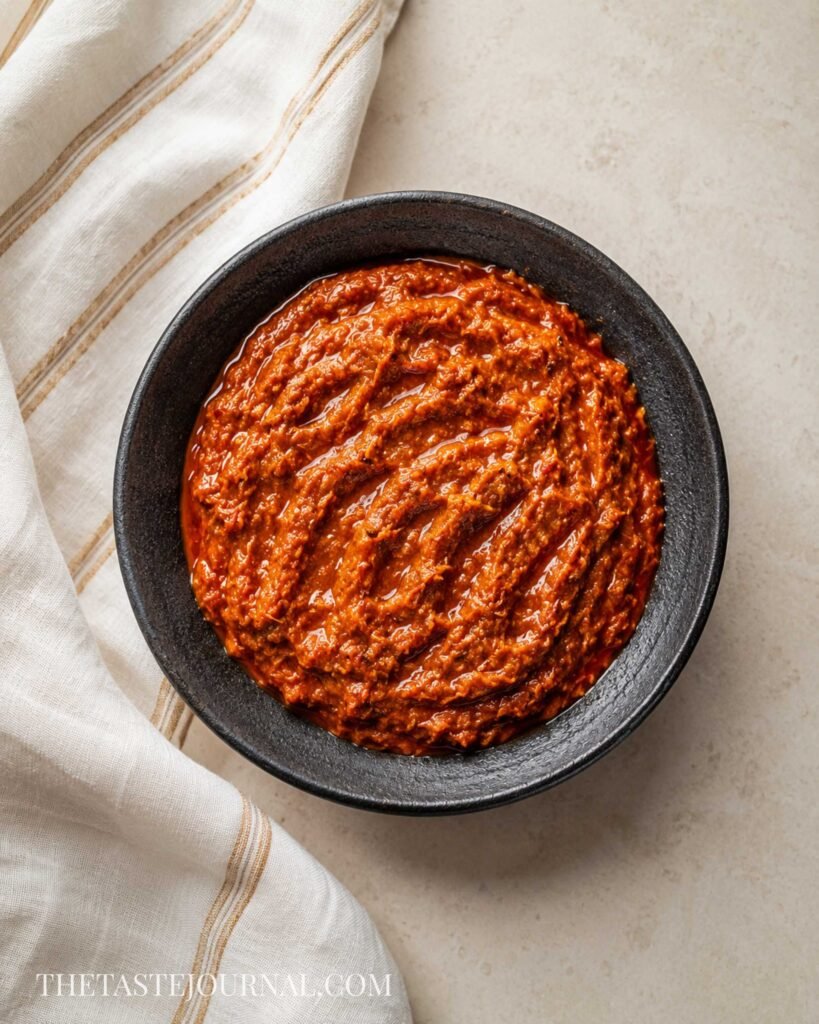
By incorporating a range of spices, roots, and chilies, one can create a rich and complex flavor profile. Notably, Panang curry is characterized by its milder taste and slightly sweeter profile in comparison to Thai red curry paste, while still offering remarkable flavor depth.
The two distinct ingredients that set Panang curry apart from Thai red curry are peanuts and kaffir lime zest. A significant advantage of preparing Panang curry paste at home is the ability to control the heat level. The choice of chilies and their quantities can be adjusted according to individual preferences. For those who favor a spicier variant of Panang curry, increasing the amount of dried red chilies is recommended.
Ingredients
Cumin, Coriander, Nutmeg and Brown sugar. Dried red chilies, Garlic cloves, Lemongrass stalks, Galangal root, Shrimp paste Shallots.
The rich blend of spices creates a flavourful dish. The warm and earthy notes of cumin and coriander complement each other. The lemongrass provides a slight citrus and peppery flavour. Shrimp paste adds umami and increases the dish’s complexity.
Chilies are an important part in Panang curry paste, imparting both heat and a depth of flavor. It is essential to select the appropriate variety of dried red chilies, as certain types exhibit significantly greater heat levels than others. For Thai curries, the preference leans towards milder chilies. Thai culinary experts often utilize Bird’s Eye chilies or Thai red chilies for their dishes. In instances where milder dried red chilies are unavailable, it is advisable to use standard chilies as well as a specialized hydration technique to mitigate their spiciness.
Instructions
Dried red chilies need to be de-seeded before use. While this task may seem straightforward, it’s important to note that chilies have a phytochemical, capsaicin, which can irritate the nerve endings on your fingertips. This can lead to a burning sensation that lasts for hours unless you wear gloves when handling them.

To manage the curry paste’s intense heat, it’s advisable to remove the seeds from the chilies. Cut the chilies open and shake them to let the seeds fall out. To ensure you remove all the seeds, use scissors to cut the chili open on both sides. Next, cut the chili horizontally and scrape out any remaining seeds with a knife.
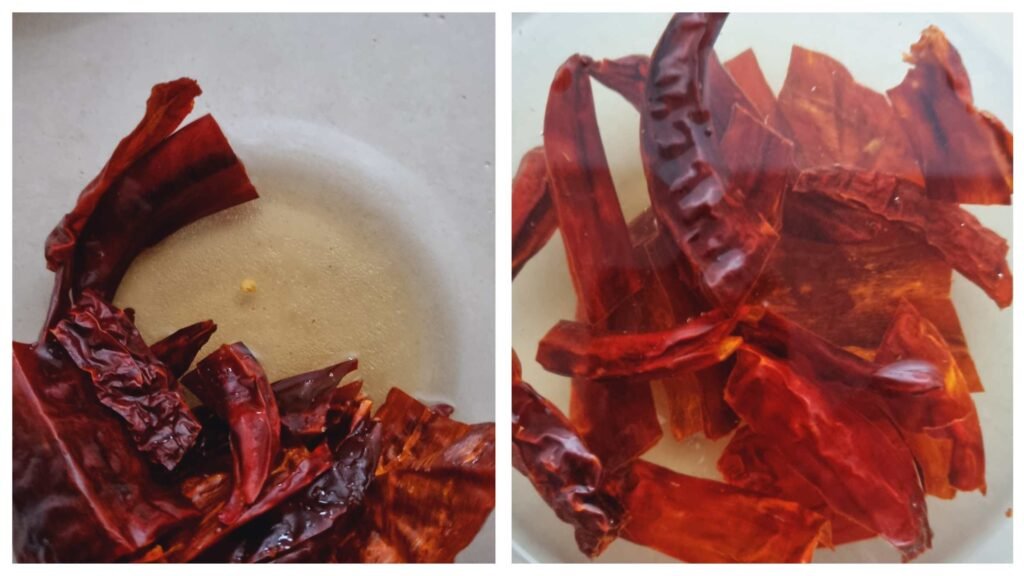
Soaking the chilies is a crucial step for rehydrating them. Begin by adding the dried chilies and lemongrass to a bowl, then soak them in warm water. Since lemongrass is dry and sturdy, using warm water will help it blend more easily. Next, add white vinegar and sugar to the bowl.
This combination will help reduce the heat of the chilies and add a slight sweetness. The acetic acid in white vinegar assists in dissolving capsaicin, the compound that gives chilies their heat. Once the chilies have softened, drain them and set them aside. Finally, cut the lemongrass into smaller pieces.
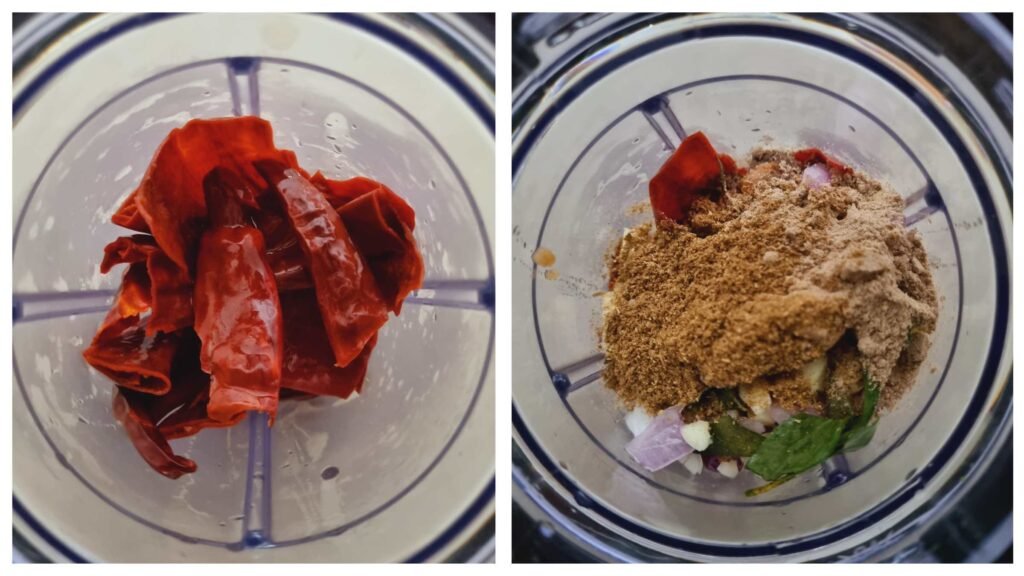
Cut the lemongrass stalks into several pieces. Peel the galangal root and several shallots. Remove the central stem from the kaffir lime leaf. Add all the ingredients to a blender along with two tablespoons of water or cooking oil. Blend the panang curry paste for about ten seconds until it reaches a semi-smooth consistency. If it’s not smooth enough, continue blending until it becomes a paste.
How to Store Panang Curry Paste?
Store in a jar in the fridge. It will last for two weeks. Freezing the paste is also possible and will keep for up to three months. Panang curry paste is easy and convenient to make at home. If you enjoy eating panang curry, consider making the paste in large quantities.
Ingredients
- 2 Lemongrass stalks
- 2 tsp Galangal paste
- 7 Garlic cloves
- 2 tsp Shrimp paste
- 5 Eschalots
Spices
- 1 tsp Cumin
- 1 tsp Coriander
- 1 tsp Nutmeg
- 30 grams Peanuts
- 4 Kefir lime leaves
- 2 tsp Brown sugar
Instructions
- Deseed the chilies: Cut the tops and bottoms, then cut the chili horizontally and scrape off the seeds.
- Soak the chilies: Add the chilies to a bowl of warm water. Add the lemongrass stalks. Add brown sugar and soak for 10 to 15 minutes. Drain the water and set aside.
- Blend the ingredients: Chop the lemongrass stalks into smaller pieces with the dried red chilies and lemongrass stalks. Add the rest of the ingredients to a blender and blend for a few seconds until they form a smooth paste. If the ingredients are not mixing, add two tablespoons of cooking oil and blend again.
Nutrition
Calories: 289kcal | Carbohydrates: 24g | Protein: 18g | Fat: 17g | Saturated Fat: 3g | Polyunsaturated Fat: 5g | Monounsaturated Fat: 7g | Cholesterol: 114mg | Sodium: 369mg | Potassium: 386mg | Fiber: 5g | Sugar: 9g | Vitamin A: 29IU | Vitamin C: 7mg | Calcium: 153mg | Iron: 4mg
Did you make this recipe?Pin to Save this Recipe