Newsletter Subscribe
Enter your email address below and subscribe to our newsletter
Enter your email address below and subscribe to our newsletter
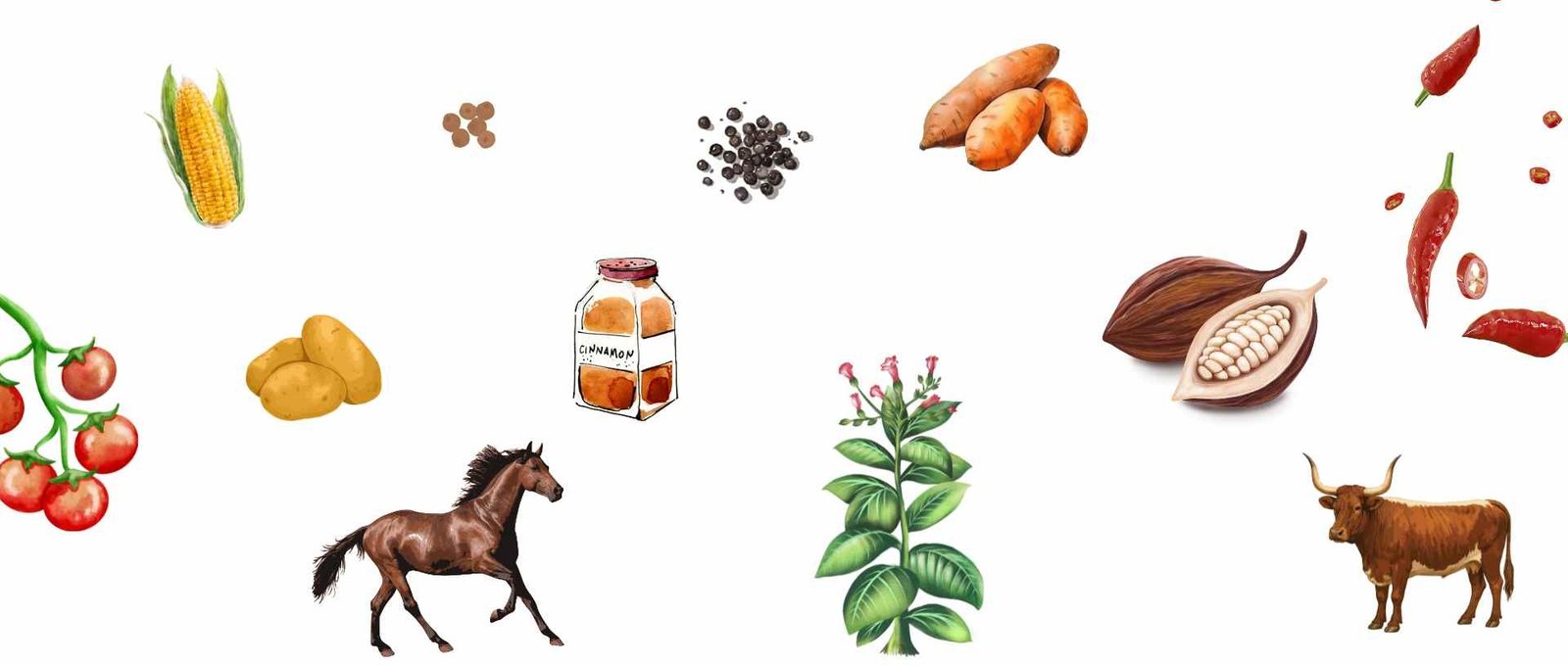
When we sit down to a bowl of tomato pasta, a serving of curry, or a sweet chocolate-based dessert, we are rarely aware that we are enjoying the results of one of the most important explorers in human history: Christopher Columbus. Born in 1451 in Genoa, Italy. Columbus grew up during the Age of Exploration, a period when explorers were eager to discover new travel routes, find new lands, and expand their economies with the spice trade. Two spices of incredible importance were cinnamon and black pepper; these were not just spices; they also served as fragrances, medicine, and a form of currency.

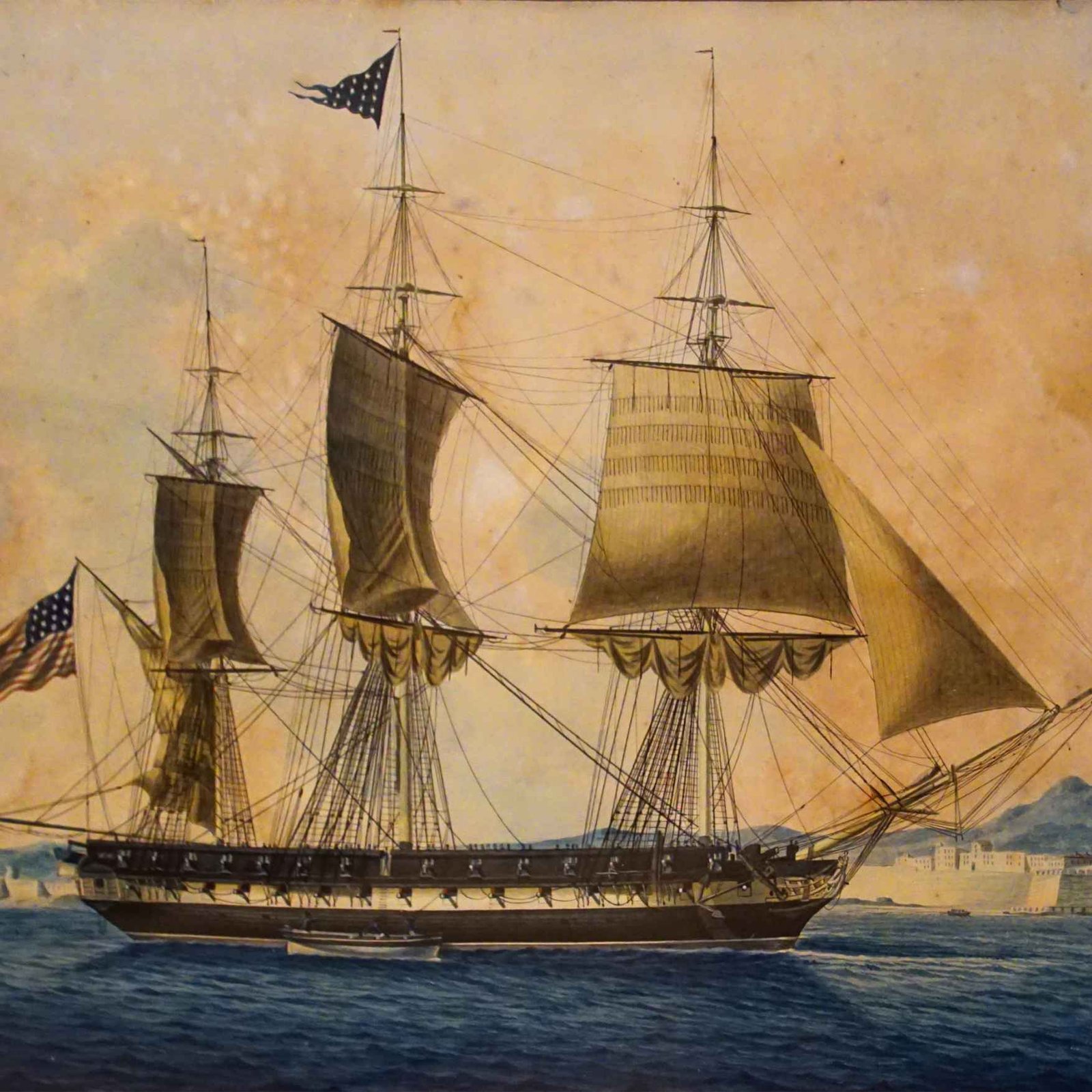
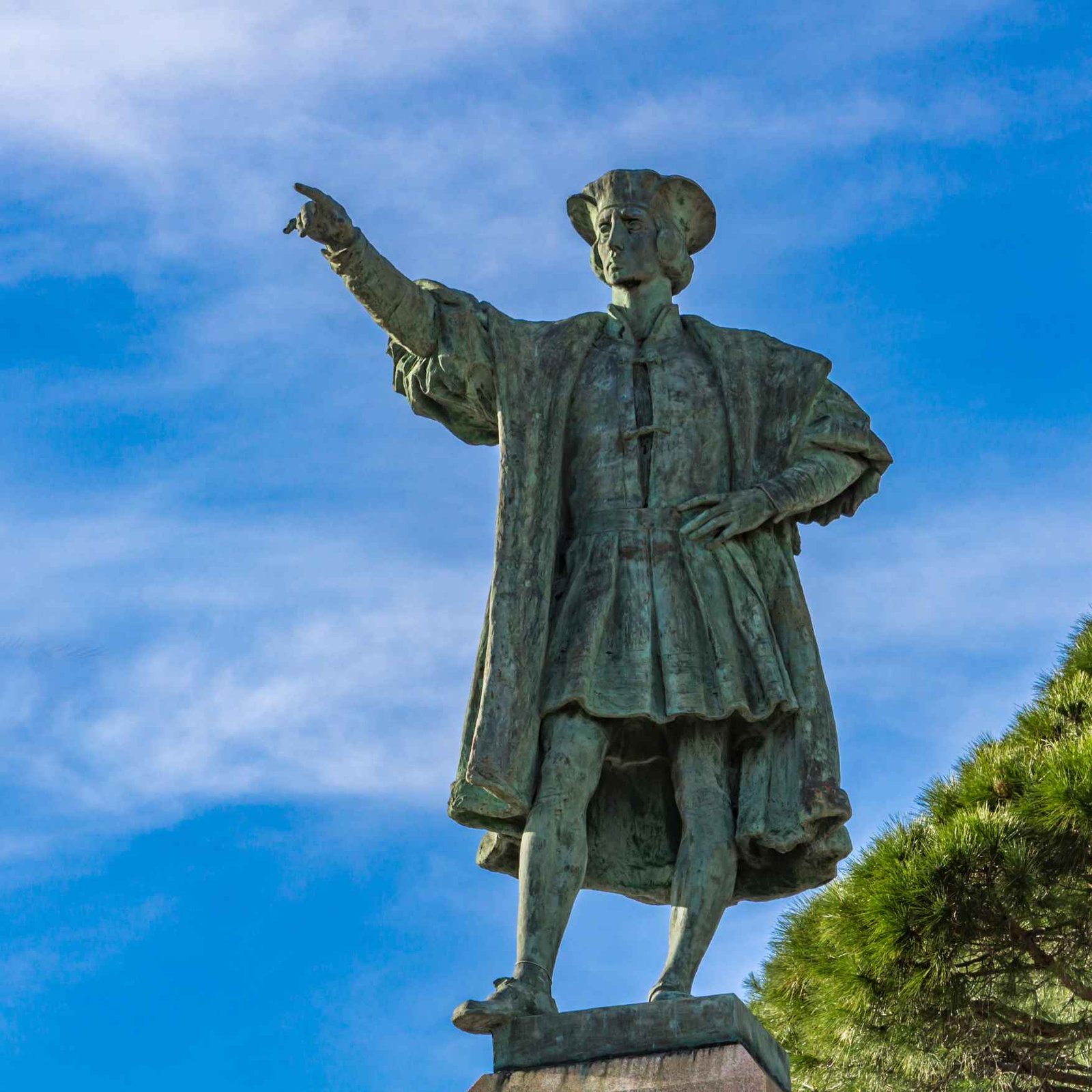
Before 1492, the World was a collection of isolated pantries. Continents such as Europe, Africa, and Asia had never experienced the tangy flavors of a tomato or the heartiness of potatoes in a comforting soup. Growing up in a time considered the ‘Age of Exploration,’ Columbus was well aware that the World was opening up to exciting possibilities, and he was eager to be a part of it. Well aware of the profits in the spice trade, Columbus was inspired to find the regions where cinnamon and black peppercorns were grown.
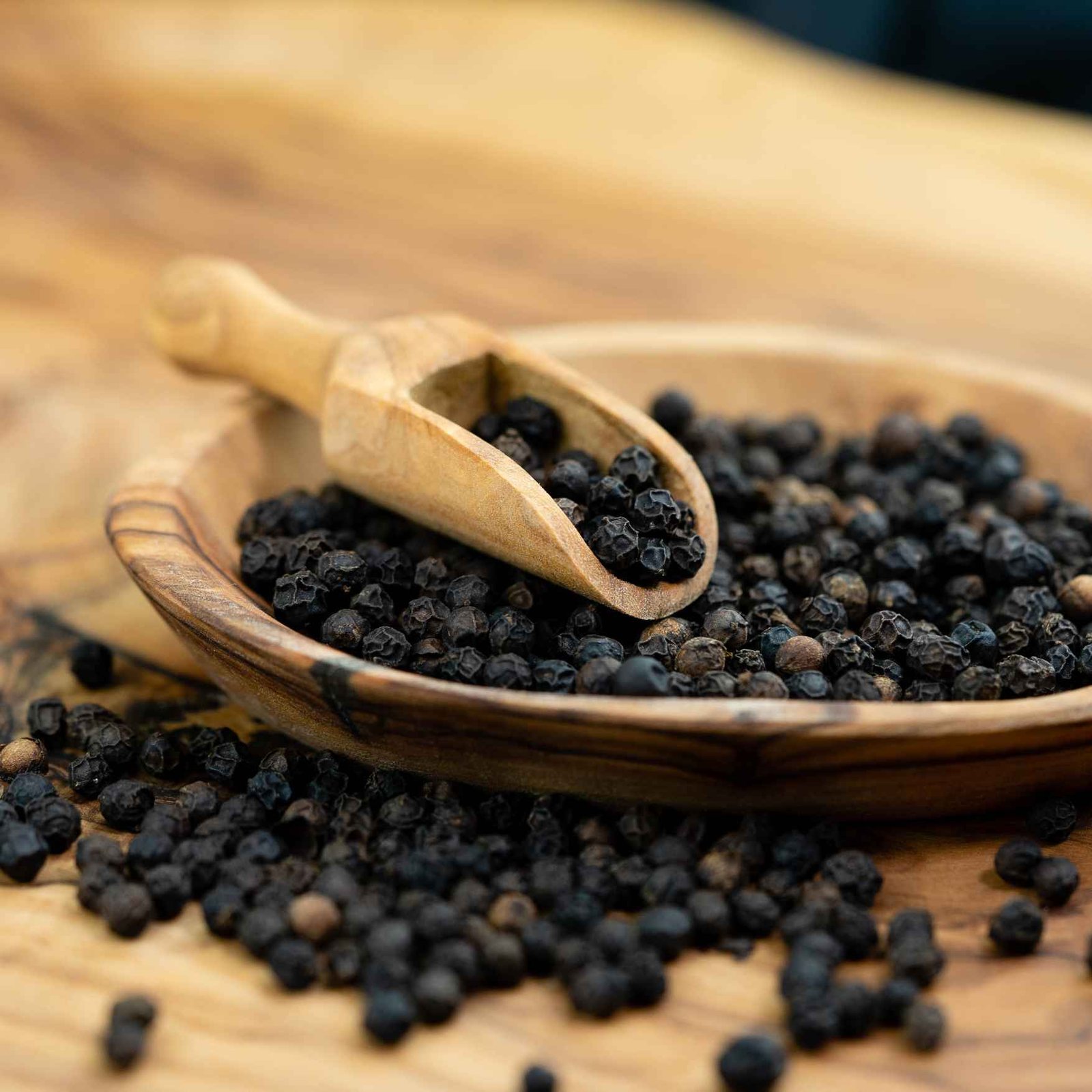
At the time, black pepper was a highly valued commodity and considered a form of currency. With a high demand in Europe and other regions, it was used as a form of barter for goods and services. Often referenced as the black gold of the Middle Ages, it was lightweight, high-value, and considered a status symbol in the late 1400s.
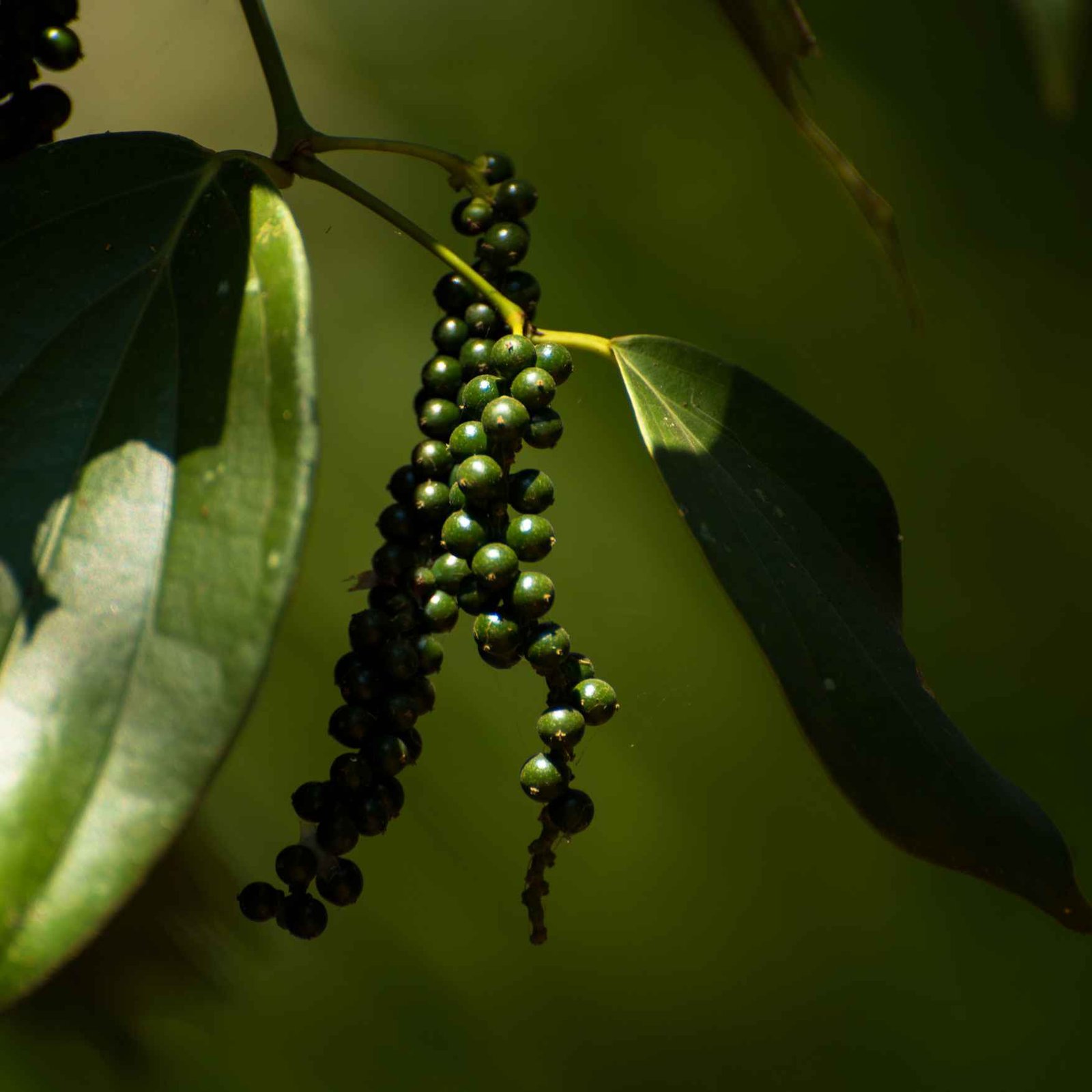
The black pepper plant (Piper nigrum) is a tropical climber native to the humid jungles of India’s Malabar Coast. It thrives by anchoring its aerial roots to trees or trellises, often reaching heights of 4 meters or more in cultivated settings. A foundational, musky quality that provides a savory depth to red meats and root vegetables.
Arab traders, along with the Venetians, were the key Merchants of the time, making money trading in rare items. And the bustling Silk Road played a major role in connecting China to the Mediterranean, facilitating the exchange of ideas, art, and religions. Even though the trade routes were long and dangerous, and the exact location of the East Indies was unknown, Columbus was determined to find cinnamon and Black pepper. Throughout that period, sourcing spices involved many middlemen; these merchants operated under a monopolistic structure, resulting in spices costing 100 times their actual value.
During that time, many red herring tales were spread to lead people on wild goose chases. One particular story claimed that cinnamon sticks were used for building birds’ nests and that the birds rested perched on tall trees. To collect the cinnamon sticks, one had to place animal meat at the base of the tree to lure the carnivorous bird down. This would cause the cinnamon sticks to fall to the ground, where the merchant could then collect them. If Columbus could locate the source of spices and trade them on behalf of the Spanish royal family, it would lead to substantial profits. Inspired by this spirit of adventure, Columbus set out to reach the East Indies.
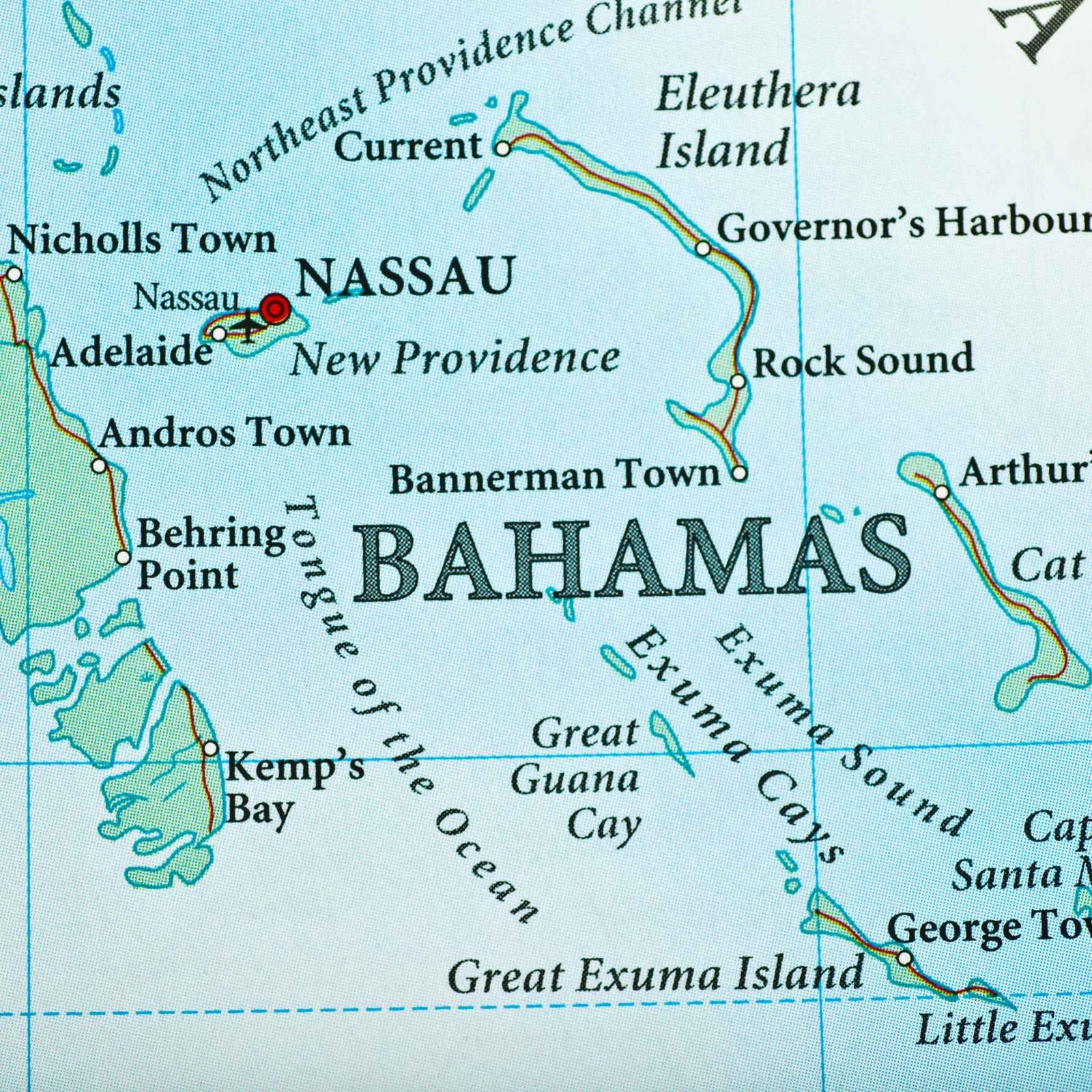
Cinnamon was harvested in Sri Lanka, while Black pepper was grown on the Malabar coast of India. After a few weeks at sea, Columbus reached the Bahamas in 36 days. He traveled a total of 5,750 km to reach the Island. At the time, he believed he had reached the East Indies, but in reality, he had stumbled upon the Bahamas on October 12, 1492. Columbus anticipated that that India was approximately 3,700 km to 4,400 km away.
In reality, it was more than 20,000 km away by sea heading West. This discovery marked the start of a new era. On his first voyage, he explored neighboring islands, and during his adventures, he kept his eyes glued to the top of the treetops looking for the cinnamon-nesting birds. He did not actually set foot on the American mainland until six years later.
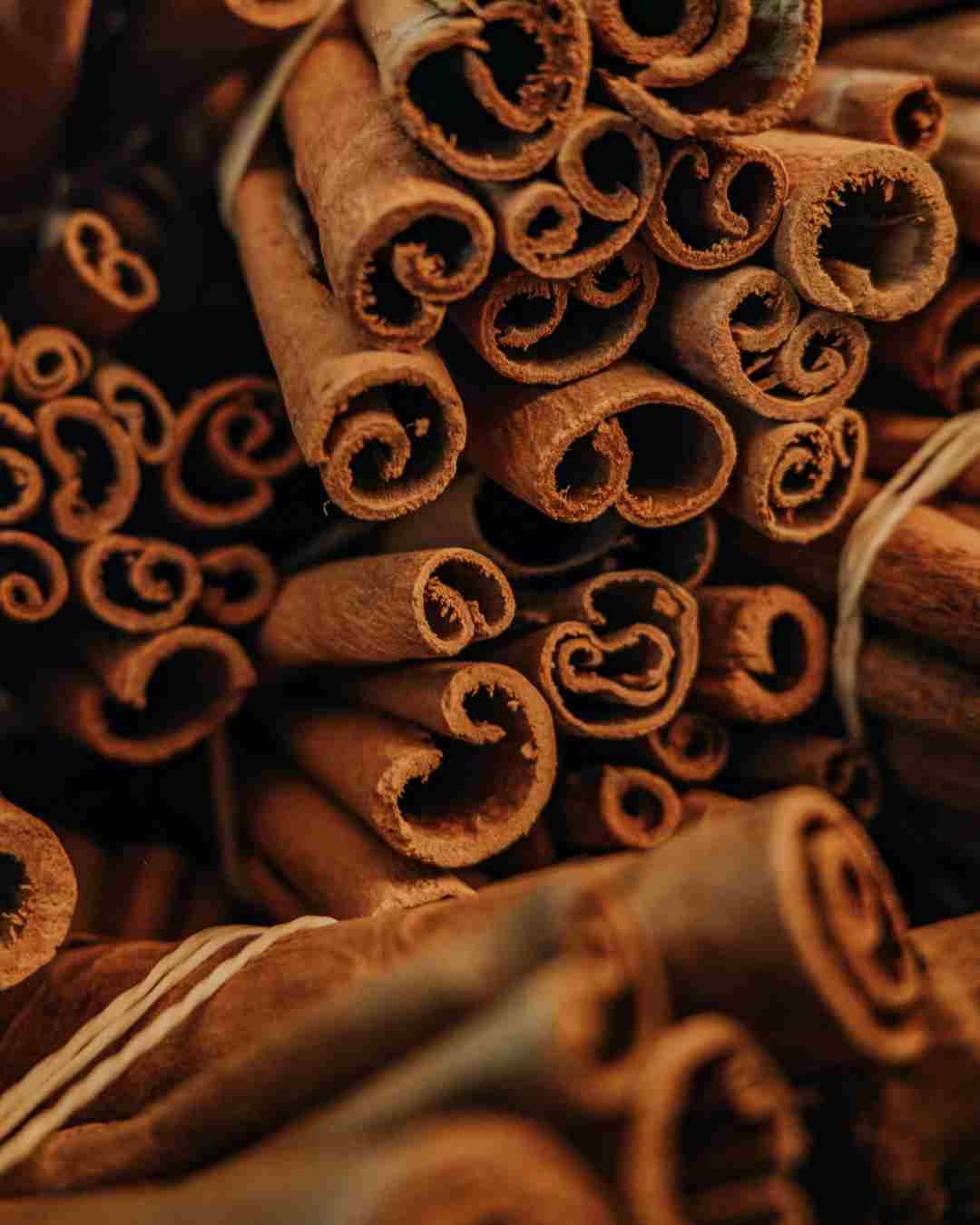
An aromatic evergreen tree of the laurel family, cinnamon is harvested for its inner bark, which has served as a symbol of luxury and a medicinal staple for millennia. It possesses a natural, woody sweetness that enhances desserts and baked goods without requiring excessive sugar. In many global traditions, cinnamon is a crucial savory enhancer, adding an earthy, floral resonance to stews, braises, and spice blends like garam masala.
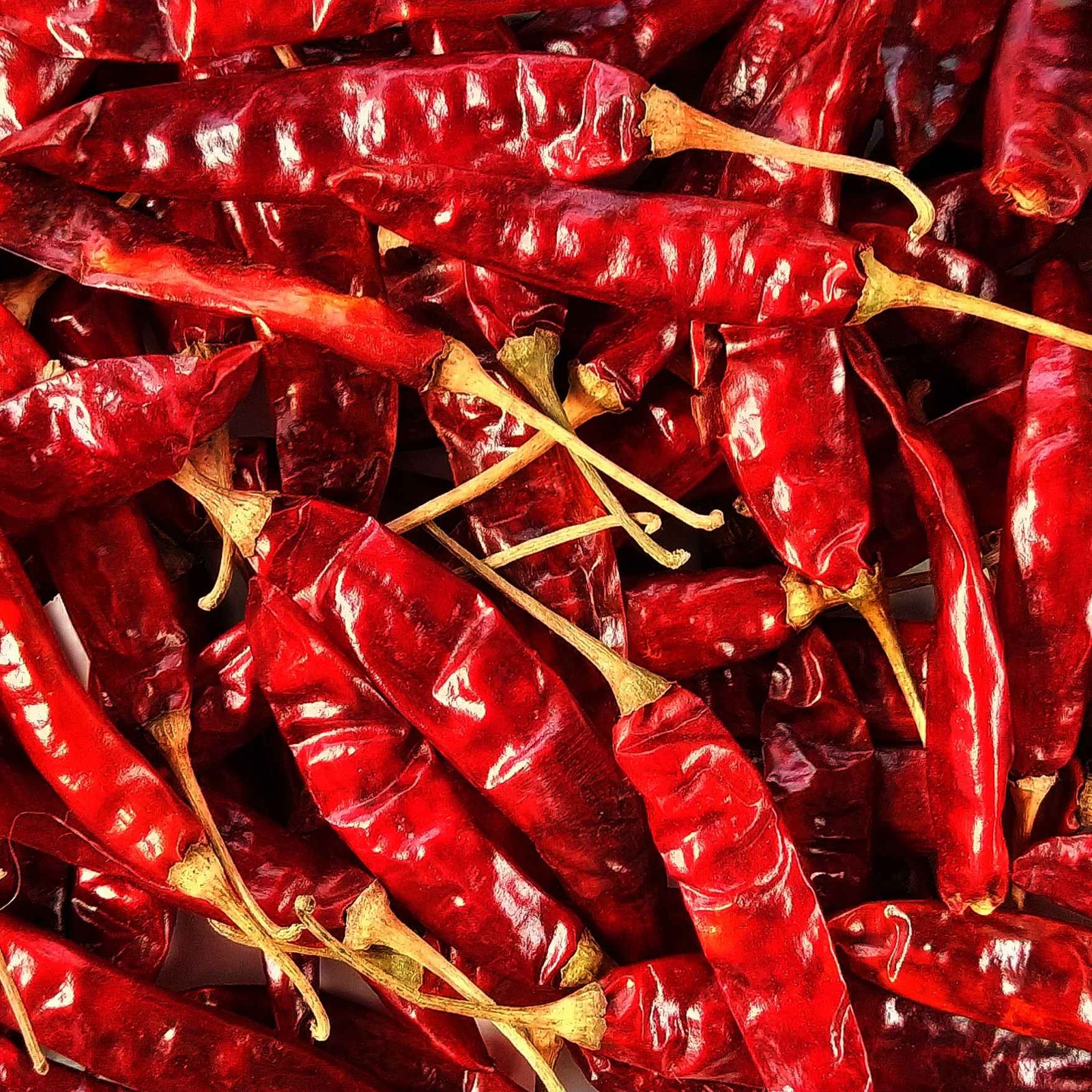
During his Caribbean adventures, his journals show that Columbus was constantly searching for the berries of the black pepper plant; instead, he found the Chili. Because of its biting heat, it reminded Columbus of black pepper, so he mistakenly labeled it a pepper. It is interesting to note that over time, Chilies became more widely used than black peppers. Countries that have benefited from the introduction of chilies include Mexico, Thailand, Korea, India, and China. Without chilies, Indian curries would lack the heat they are known for, and spicy kimchi variations would not exist.
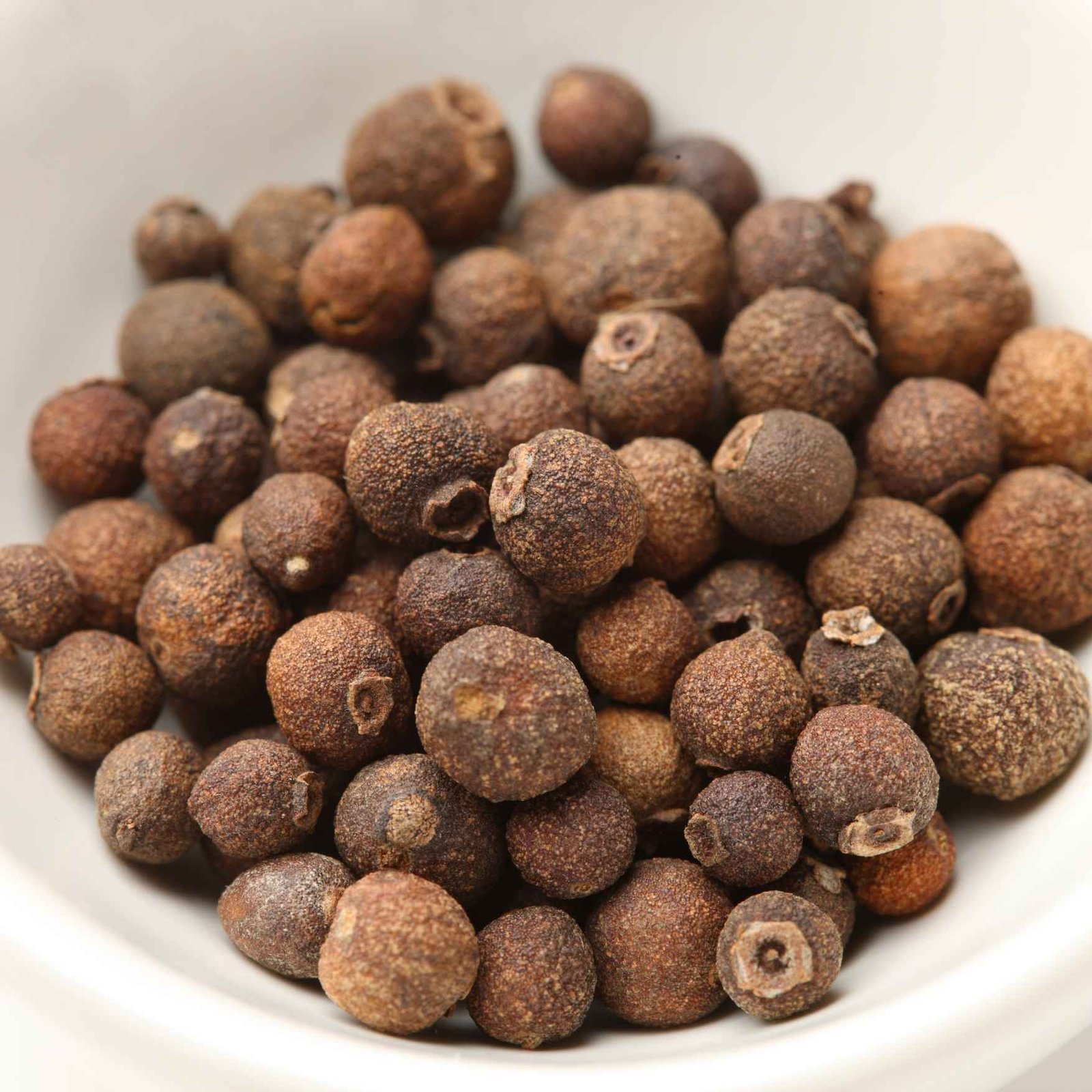
Whilst searching for Cinnamon, Columbus stumbled upon Allspice, hoping it would be a version of the elusive black pepper. This new spice became an important part of several cuisines. During his voyages, Columbus discovered other vital foods and spices, such as Cacao, an important ingredient in chocolate, and various fruits, including avocados and pineapples. When Columbus discovered the Cacao seeds, he was not a fan. He was given the cacao drink, which consisted of chilies and cornmeal; it was not in an appetizing form. He took the items back and presented them to the King and Queen of Spain, but they were dismissed as mere curiosities. It wasn’t until 17 years later that Europeans discovered the true flavor of chocolate in combination with sugar and milk.
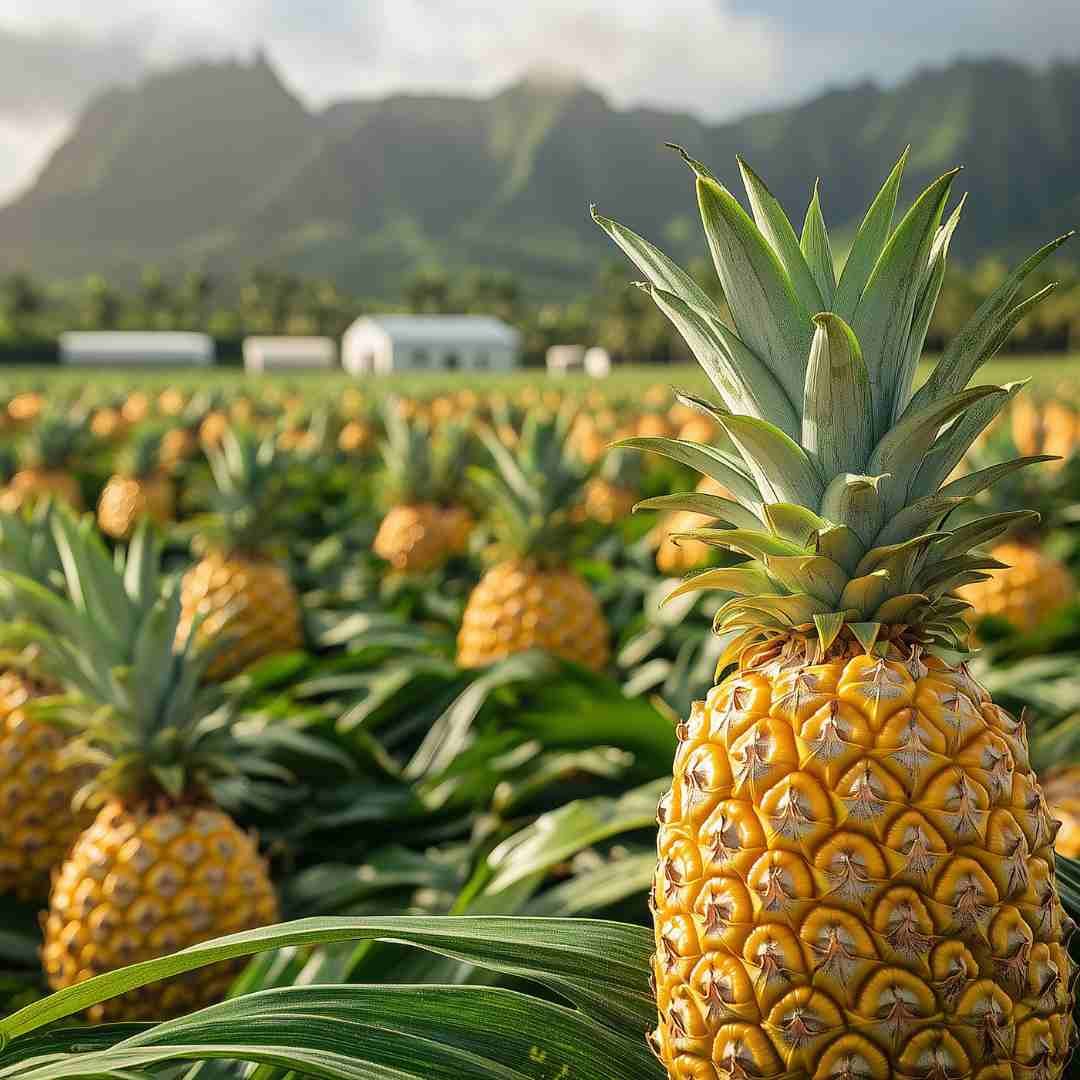
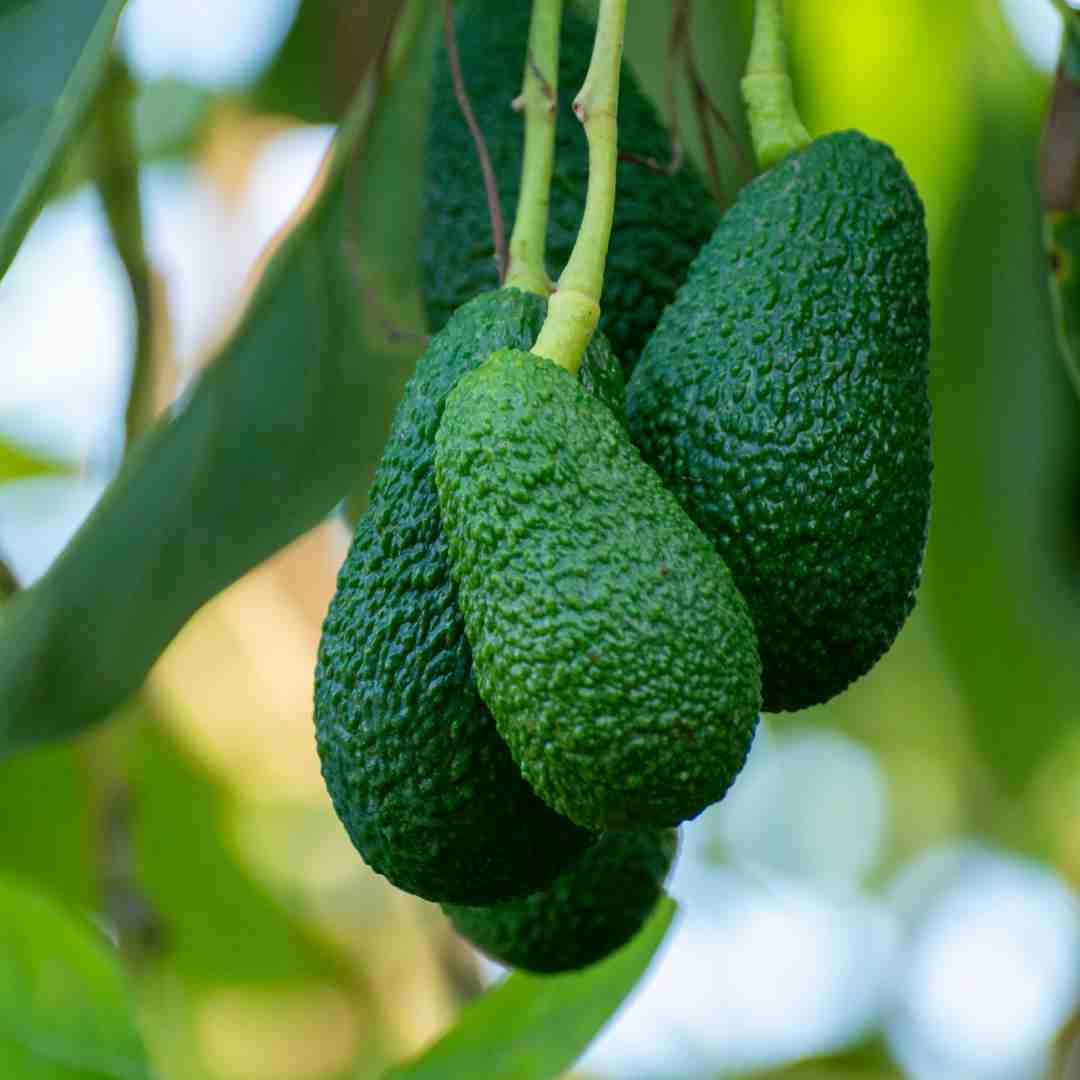
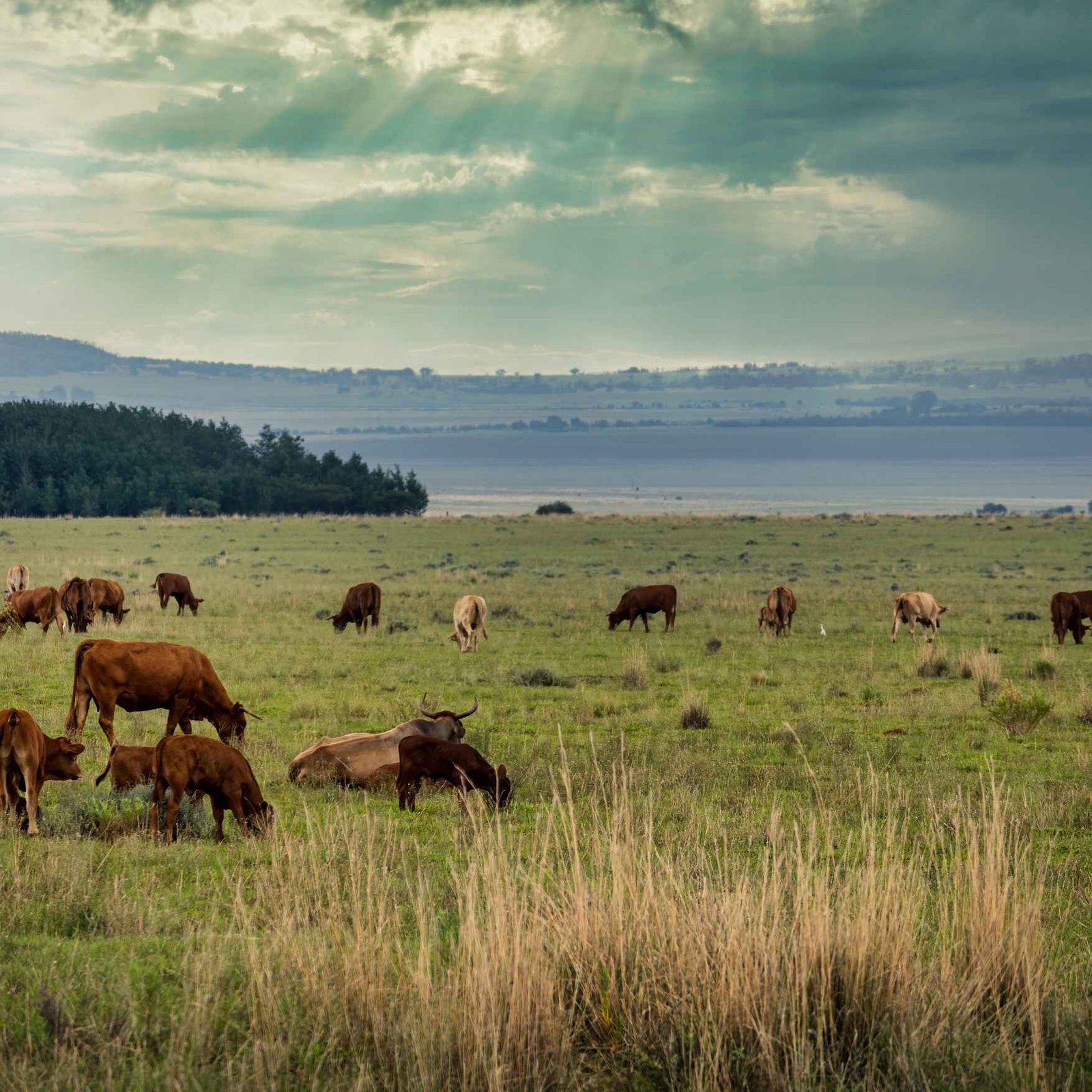
To the Europeans, the Americas were referred to as the “New World.” Although the land was vast, it lacked livestock such as cattle, sheep, chickens, and horses. Christopher Columbus brought these animals, along with others, on his ships. The Columbian Exchange transformed the environment, mapped new coastlines, and altered the global landscape. When he returned to Europe, he brought back several new ingredients, including corn, tobacco, and potatoes. It was during the 1500s that tomatoes made their way to Italy. Initially, the Italians viewed tomatoes with suspicion, and it took a while before they began to eat them. In fact, it was over a century before tomatoes were incorporated into their recipes.
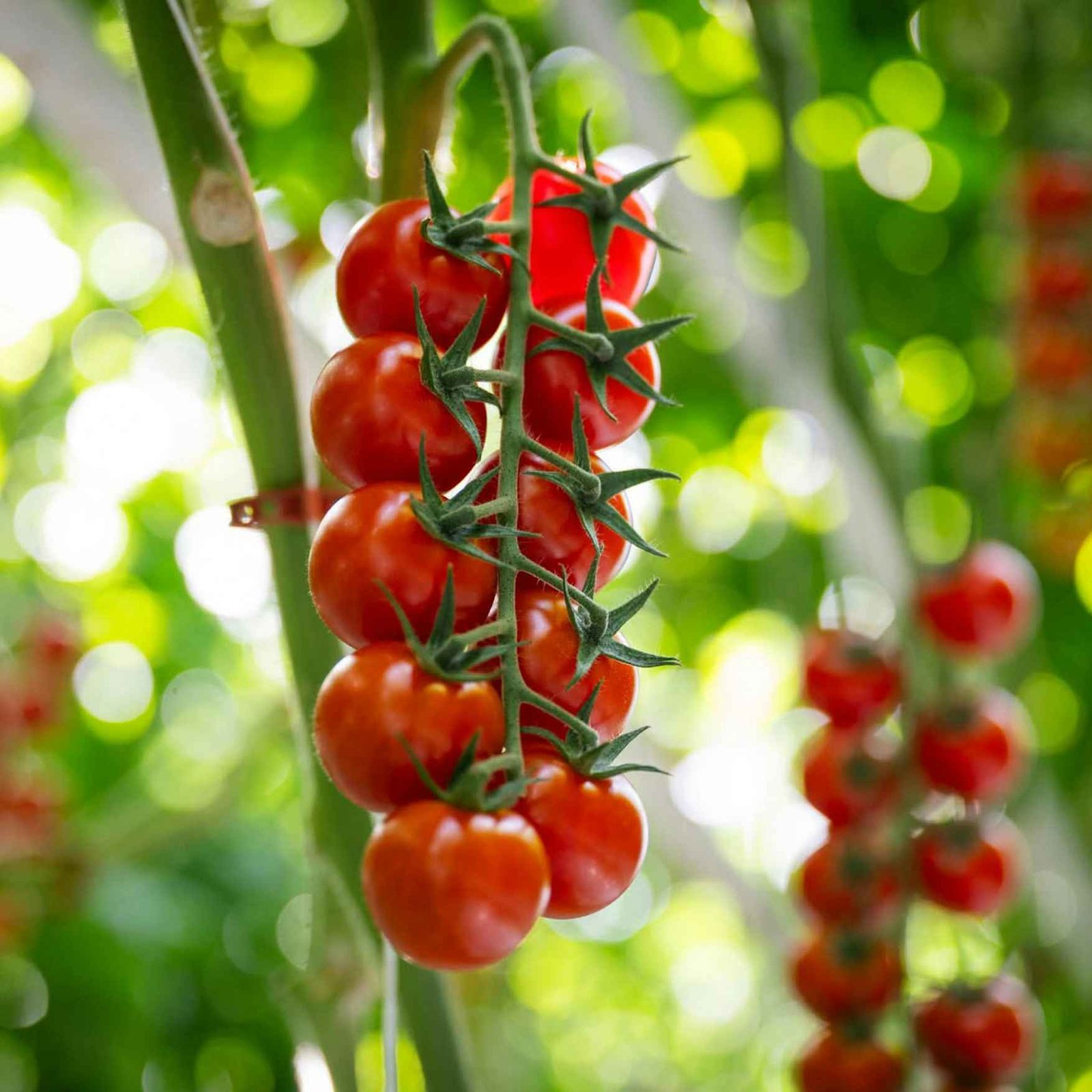
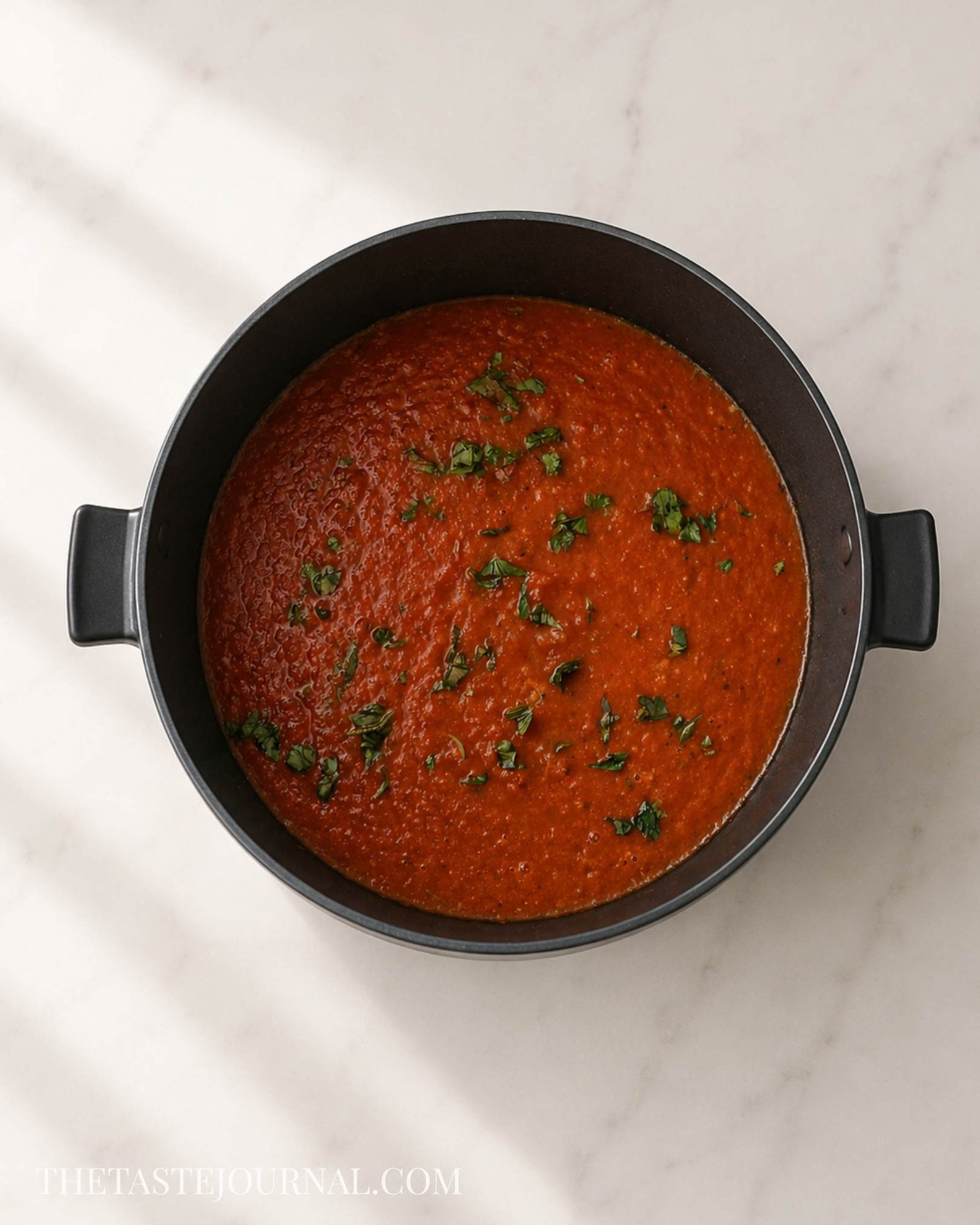
Before the 16th century, Italians cooked pasta with butter, sweet spices, and cheese. When the Spanish conquistadors discovered the tomato, they brought it from Mexico to Europe. It is hard to imagine Italian cuisine without tomatoes, though the plant originated in the Andes; countless variations are now grown around the World. The Italians were skeptical about using the tomato since it came from the nightshade family. Eventually, they began incorporating the ‘golden apple’ into their cooking, which led to the creation of various recipes, including Marinara sauce, Arrabiata pasta, Pizza, and Lasagna.
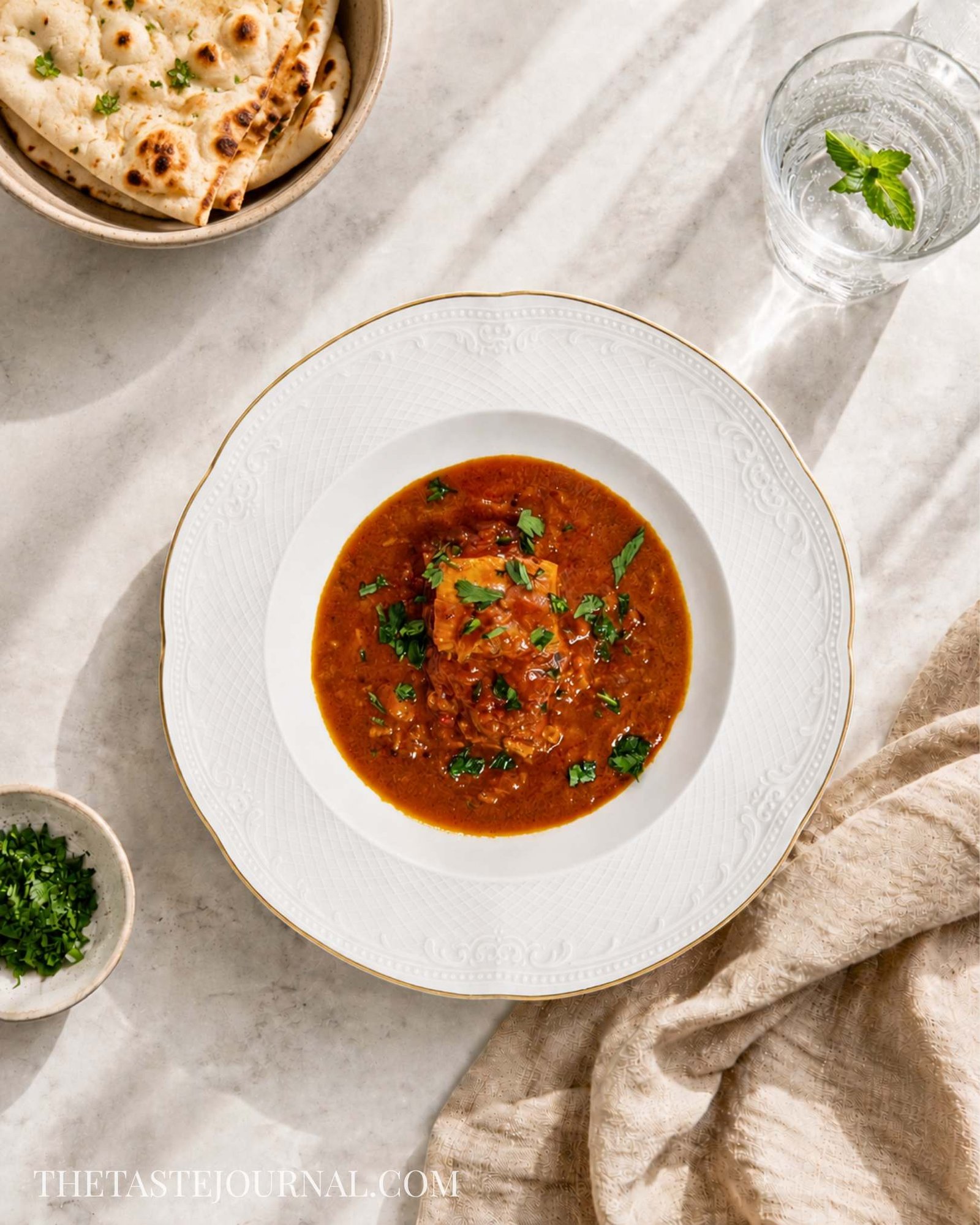
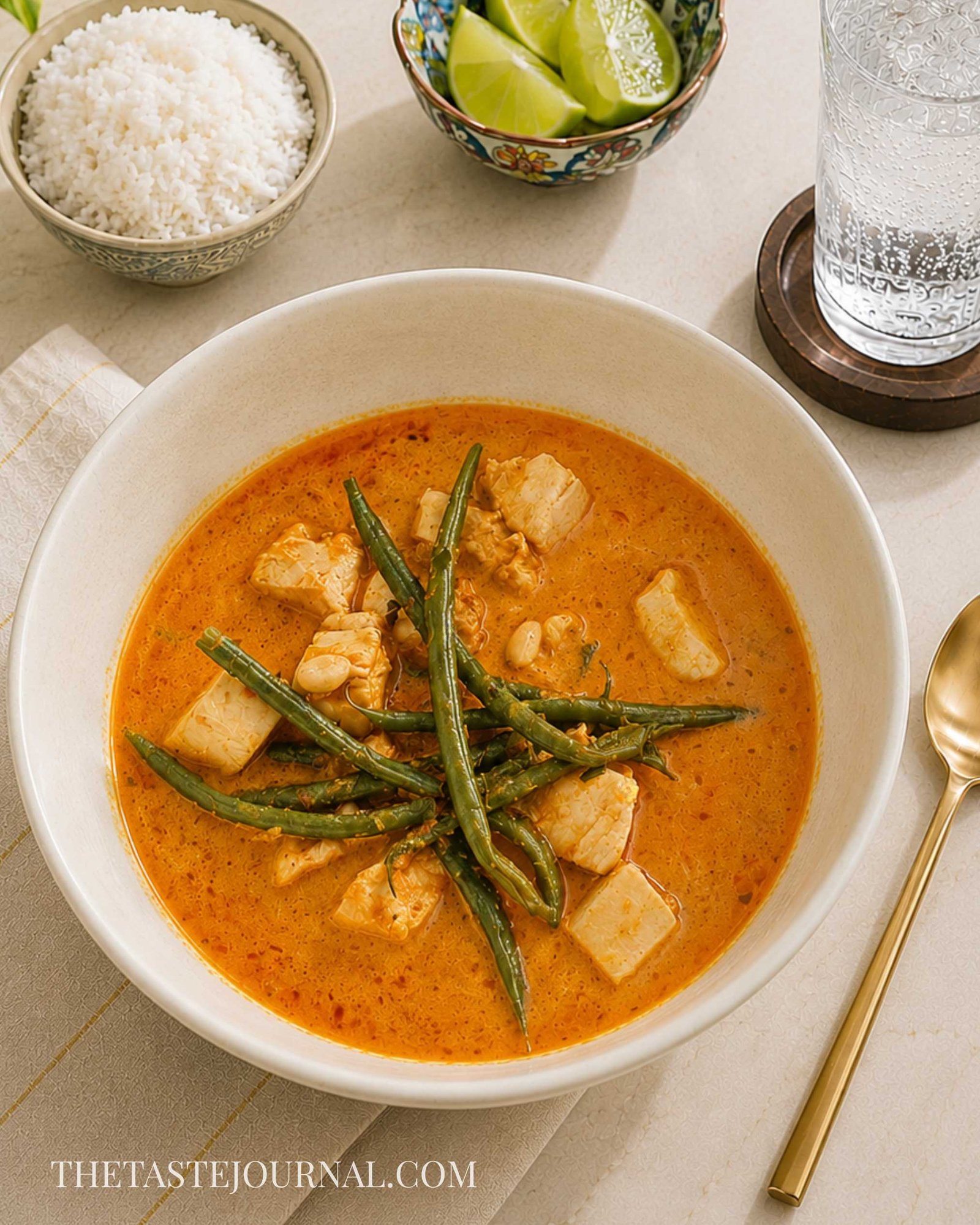
Interestingly, Indian and Thai curries both use Black pepper and Ginger as sources of heat. When Portuguese traders transported chili peppers from Central America to their trading outposts in India and Southeast Asia, it transformed their cuisine. In India, dishes such as Goan fish curry, Prawn curry, Lamb curry, and Chicken curry were enhanced by the addition of chilies. In Thailand, people began balancing the heat of Chili with the cooling effects of coconut milk, leading to the development of Thai Red Curry, Panang Curry, Thai Yellow Curry, Tom Kha Gai, Tom Yum Goong, and more.
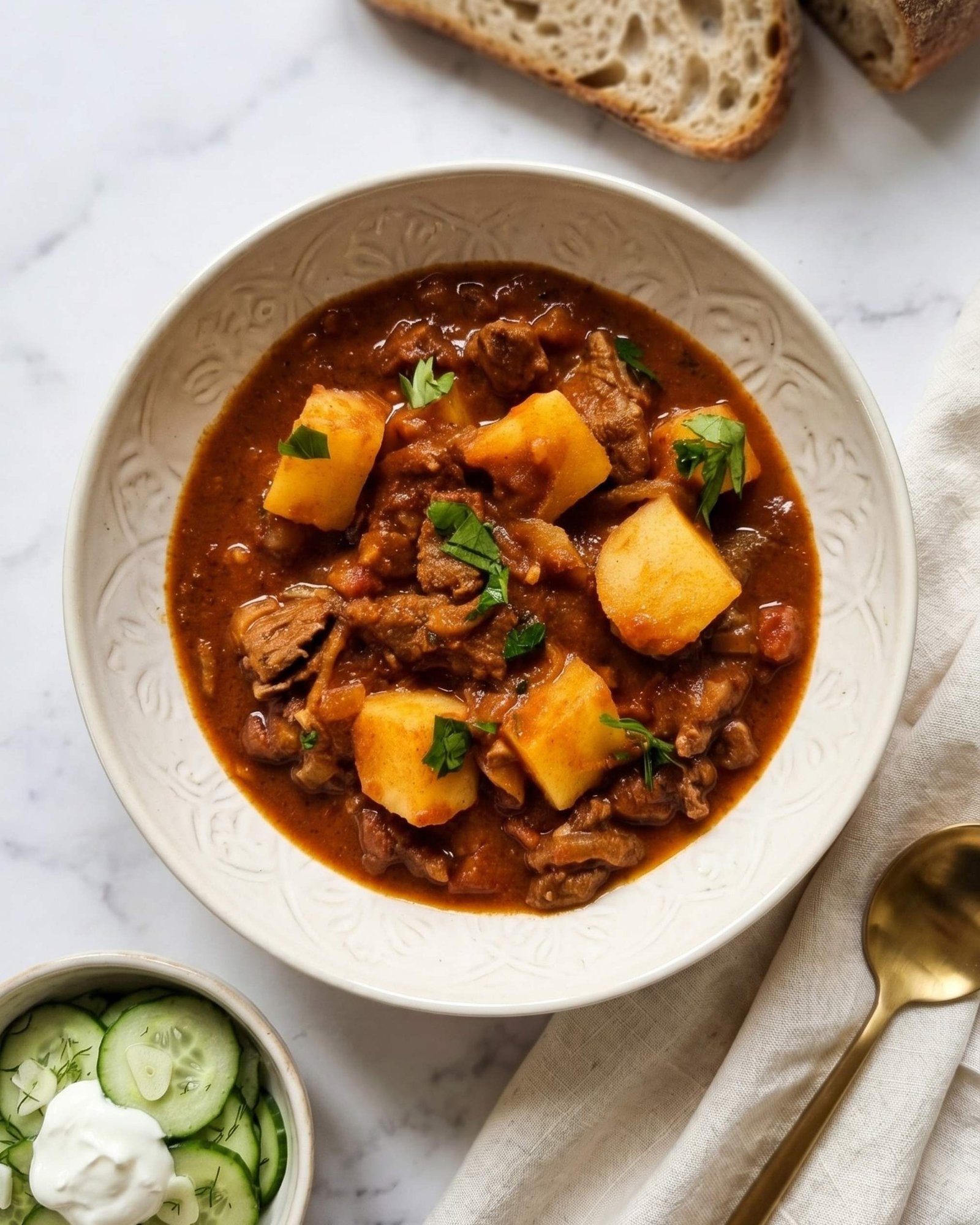
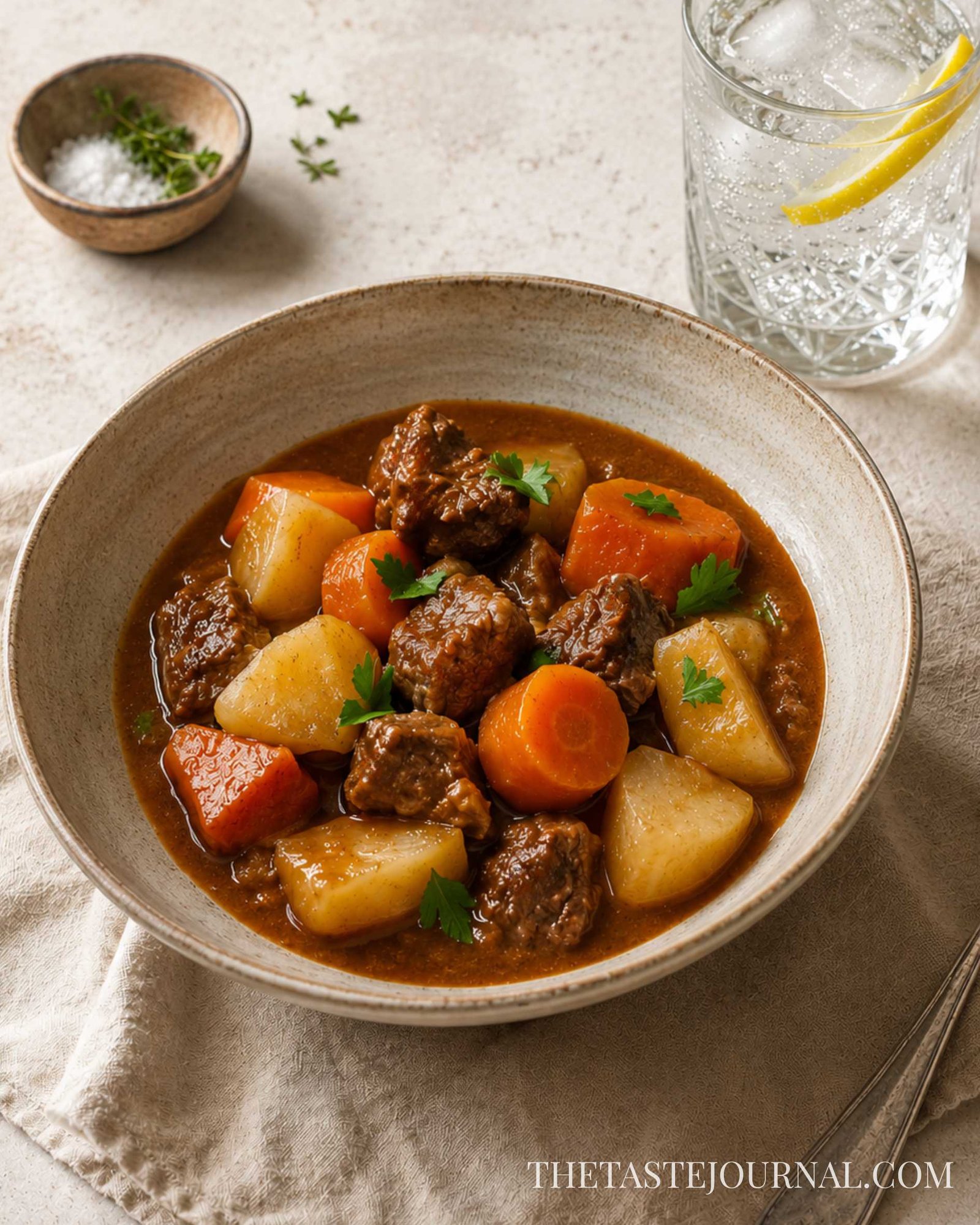
The potato was grown high in the Andes Mountains; unlike grains, it could be grown in most soil types and provided essential calories. When the Irish encountered the root vegetable, they quickly incorporated it into their Irish Beef stew, and by the 18th century, it had become an important part of their diet. Originally, ”Gulyas” (shepherd’s soup) was cooked without the signature paprika flavor. Paprika was a New World import that reached Central Europe through the Ottoman trade routes. It was embraced by Hungarians, who turned their hearty meat broth into a rich, smoky Goulash, Hungary’s national dish.
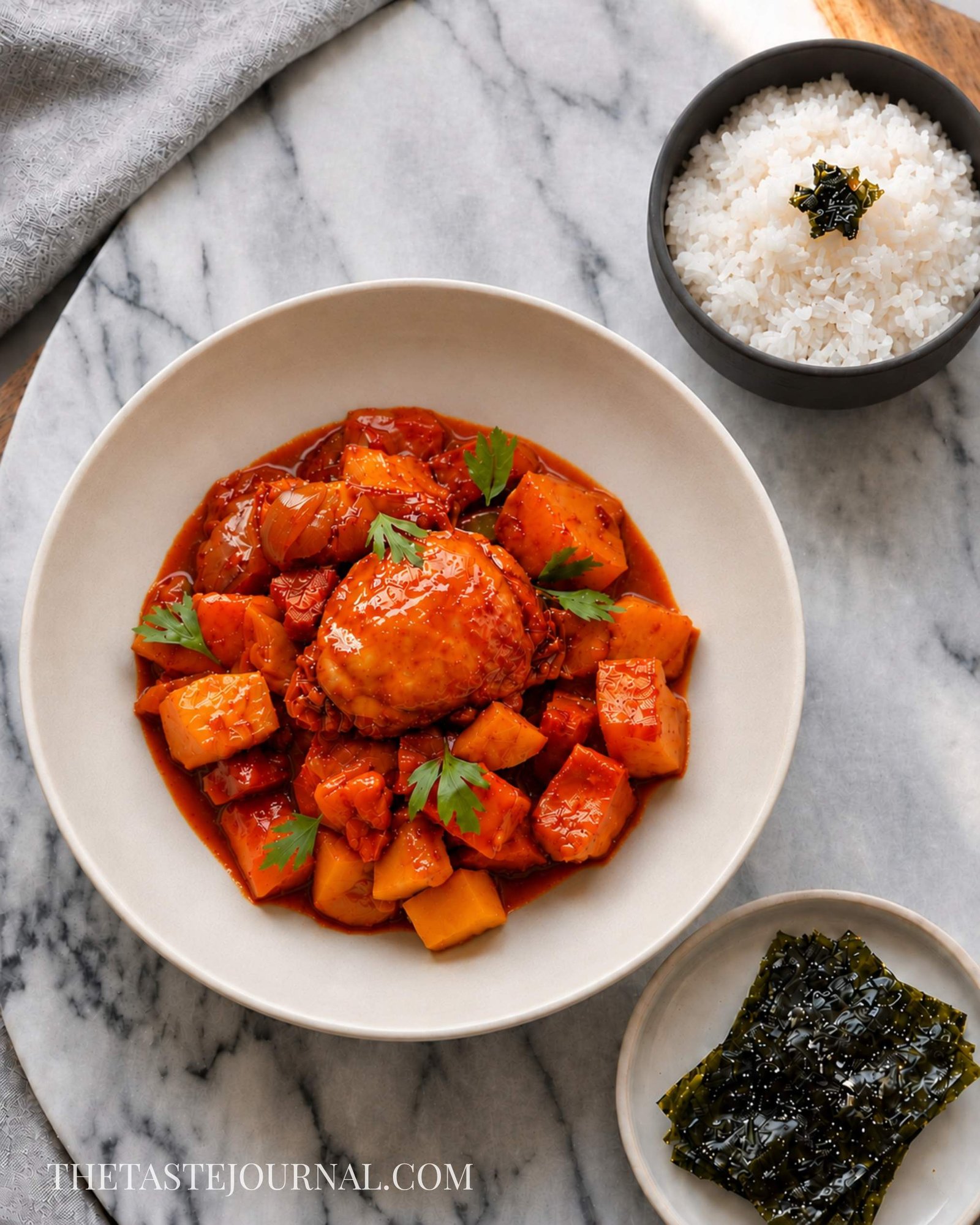
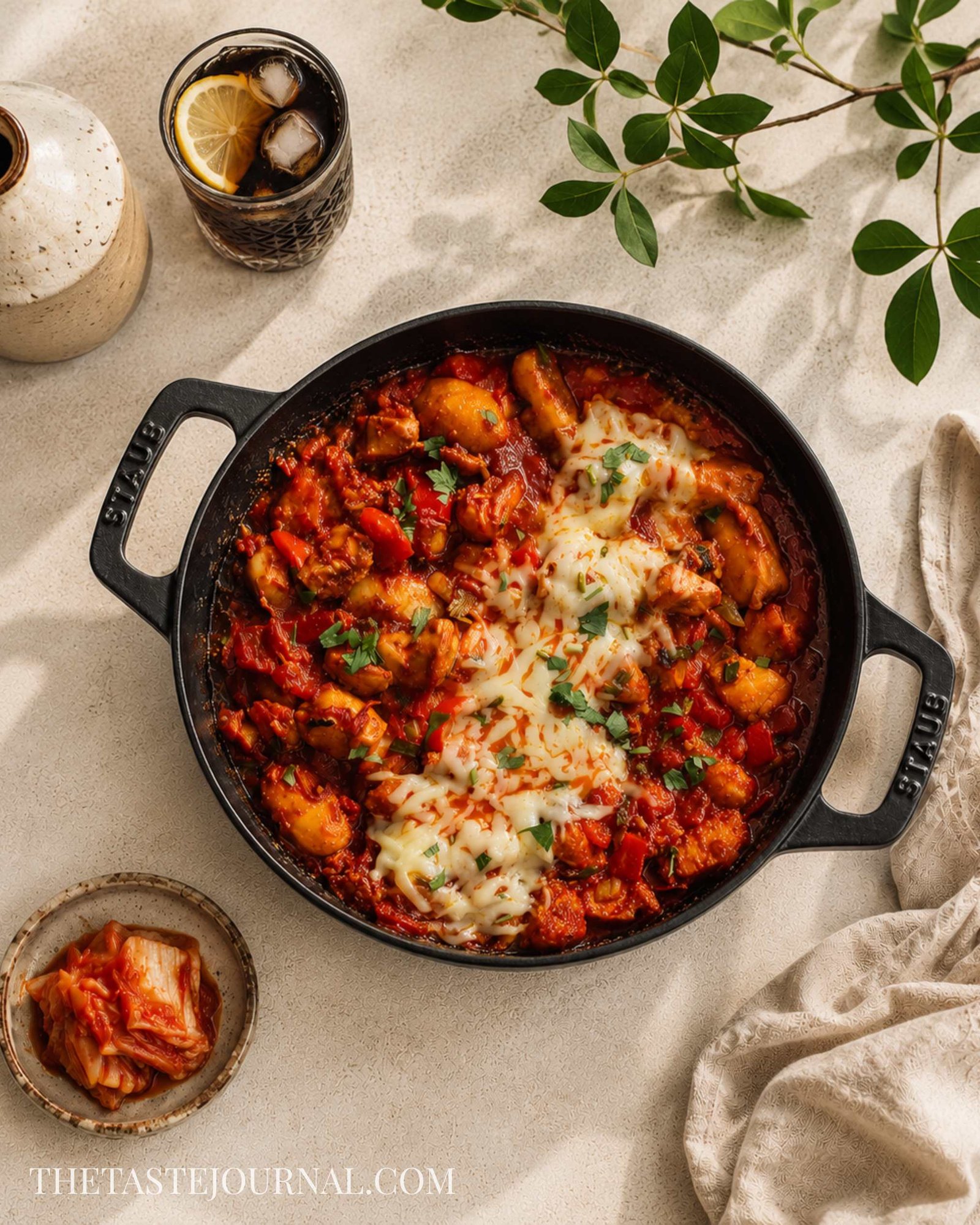
In South Korea and China, the Columbian exchange changed the culinary landscapes of the countries. With Chili peppers, sweet potatoes, and corn introduced, some recipes improved. It is a common misconception that Kimchi was always red and spicy. For centuries, Kimchi has been a white fermented vegetable dish. It used three primary ingredients: salt, garlic, and Ginger. Once gochugaru arrived in South Korea in the late 16th century, the red chili pepper enhanced the taste of kimchi. Eventually, this led to the creation of gochuchang, a hot pepper paste made from Korean chili flakes. This ingredient became popular in Korean dishes such as Dakbokkeumtang, Cheesy Dakgalbi, Bibimbap, Chuncheon Dakgalbi, and Tteokbokkie.
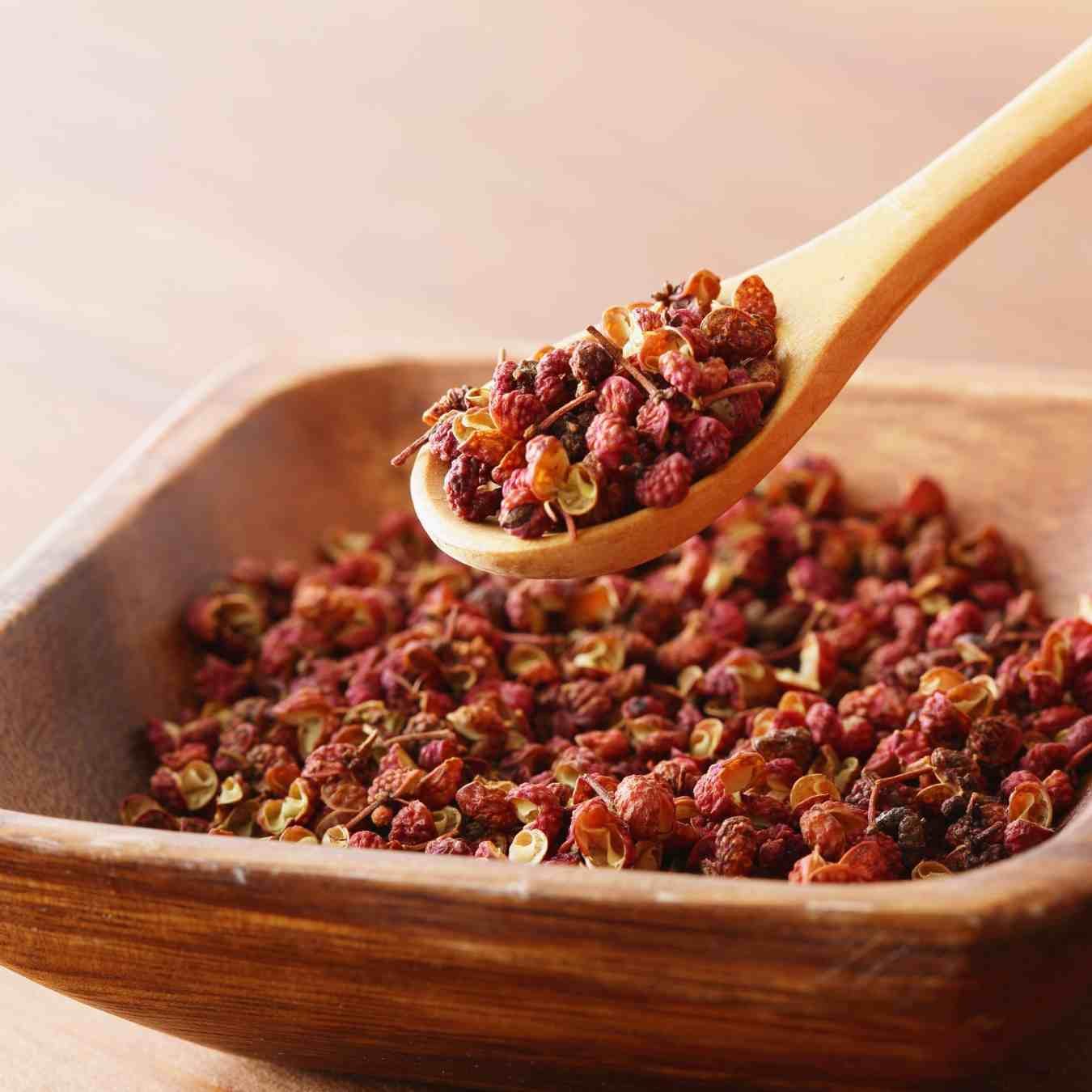
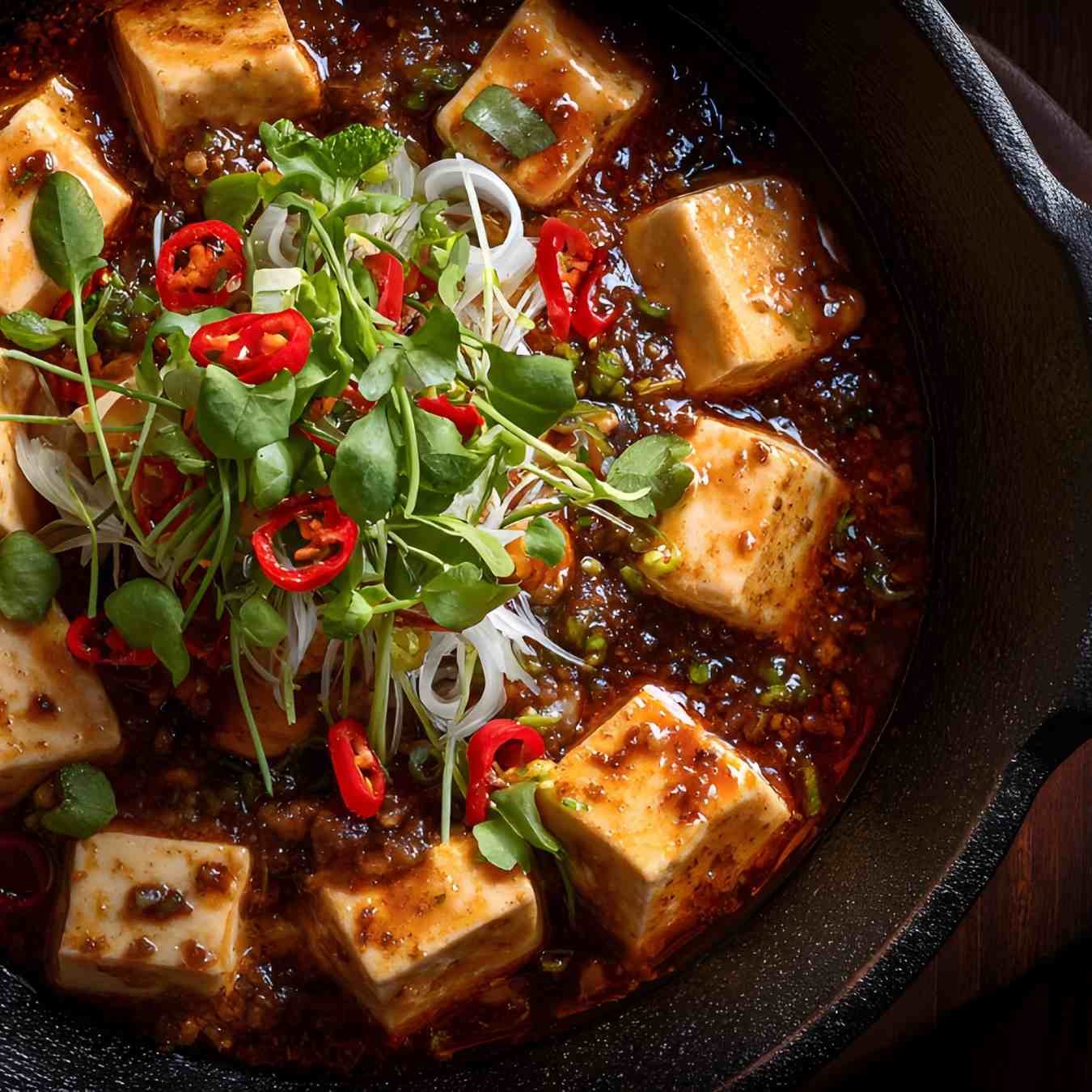
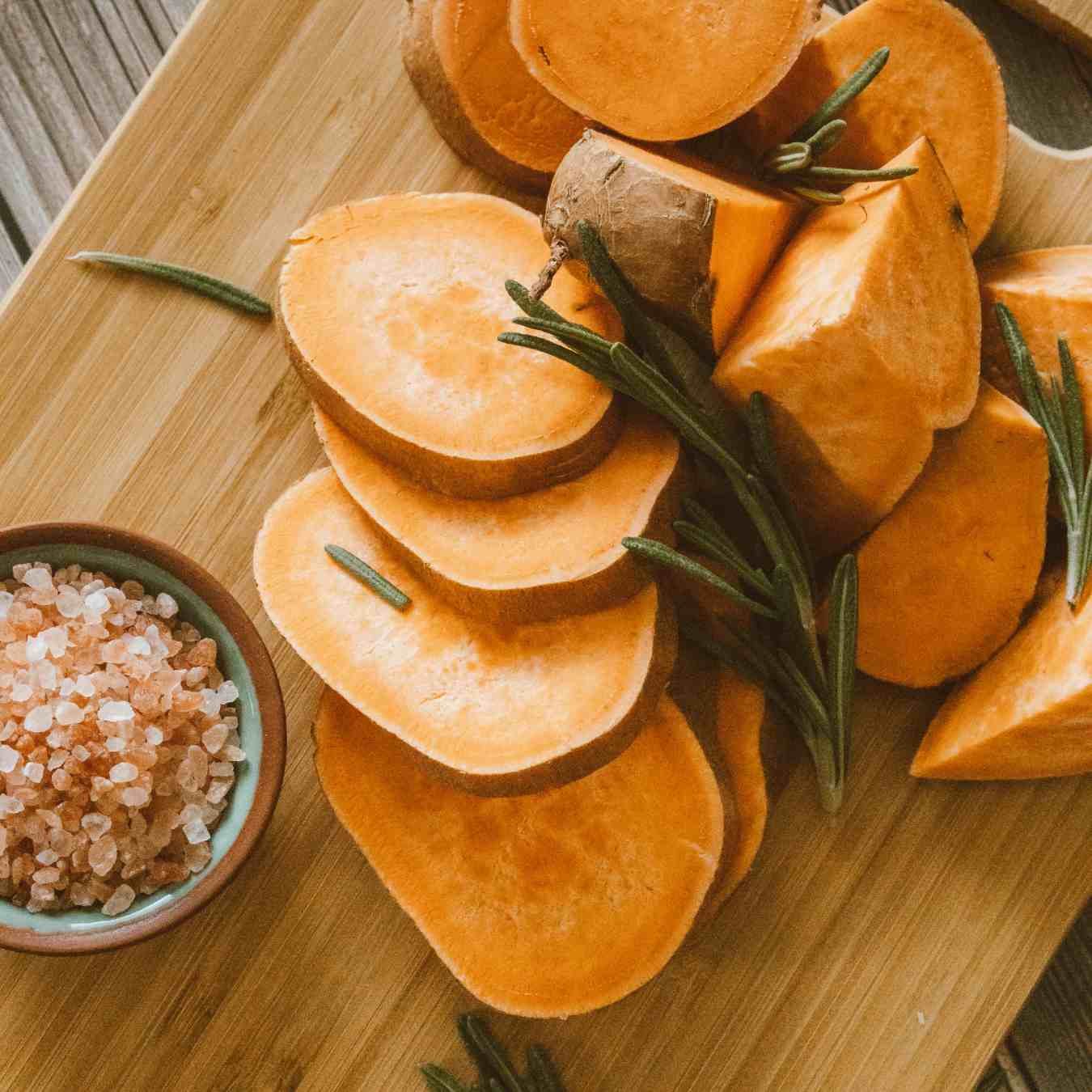
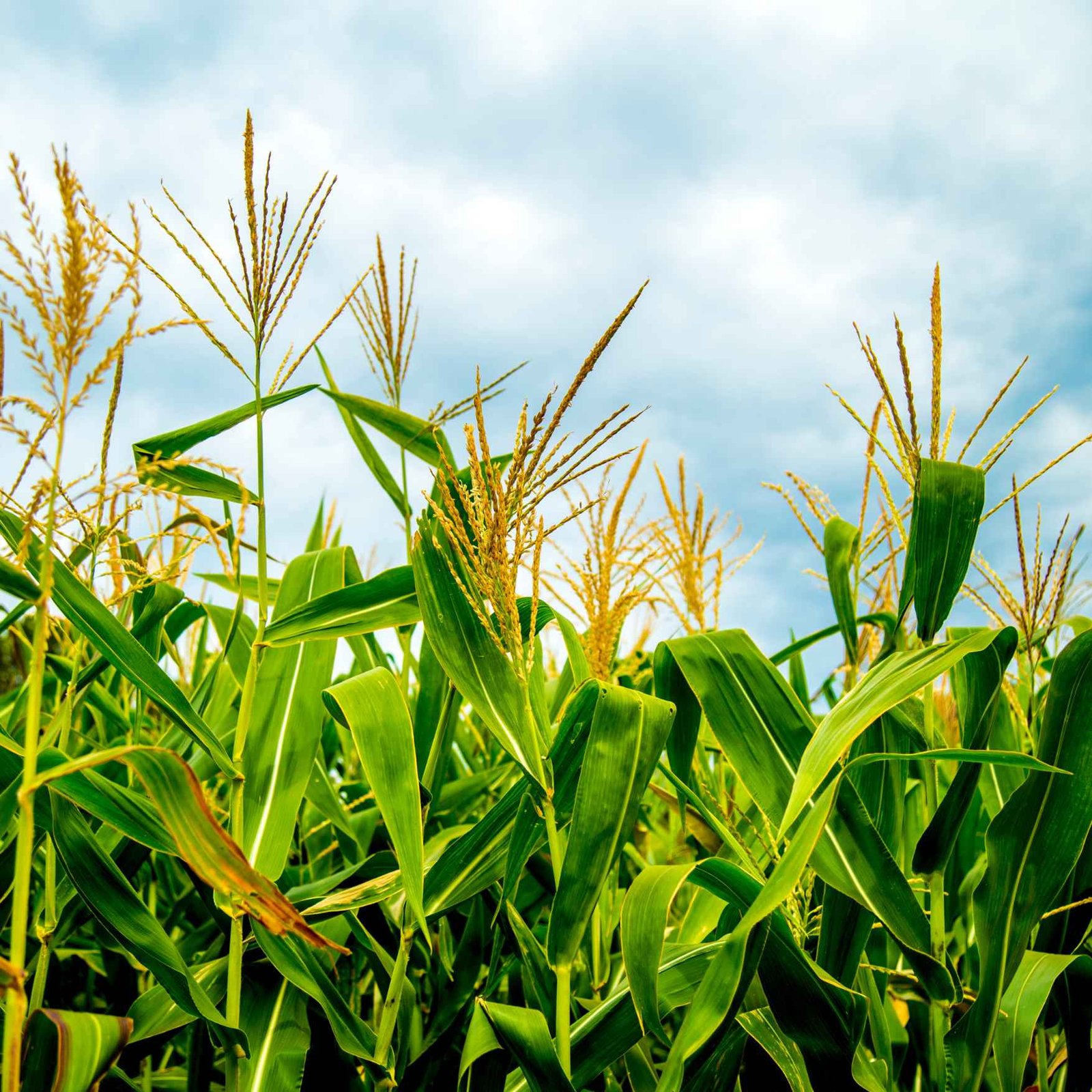
Before the 1500s, Chinese food used Sichuan peppercorns for a numbing effect, but lacked the burning sensation. Chilies entered China through the coastal ports and the Silk Road. This created the popular flavor of the Mala sensation. The combination of Sichuan peppercorn and chilies gave rise to Mapo Tofu and Sichuan Hot Pot. Sweet potatoes and Maize arrived in China via the Philippines. This altered the Population of China, shifting from a primary rice-based diet to one incorporating Maize and Sweet Potatoes. These New World crops helped the Chinese population to more than double during the Qing Dynasty.
Some historians view his adventures through a critical lens, whilst others see his explorations as remarkable feats that transformed the World, but there is no question that, without his endeavors at the time, the Culinary World would have progressed at a different pace. The Columbian Exchange revolutionized the diets and cuisines on both sides of the Atlantic, leading to cultural transformations. The fusion of culinary ingredients laid the foundation for new recipes in global cuisine. Columbus’s voyages serve as a reminder of culture and the importance of Interdependence.