Arrabiata Pasta
Today, we are making Arrabiata pasta. If you’re looking for some heat, you’ve come to the right place! Arrabbiata pasta features a rich, bold, and spicy flavor.
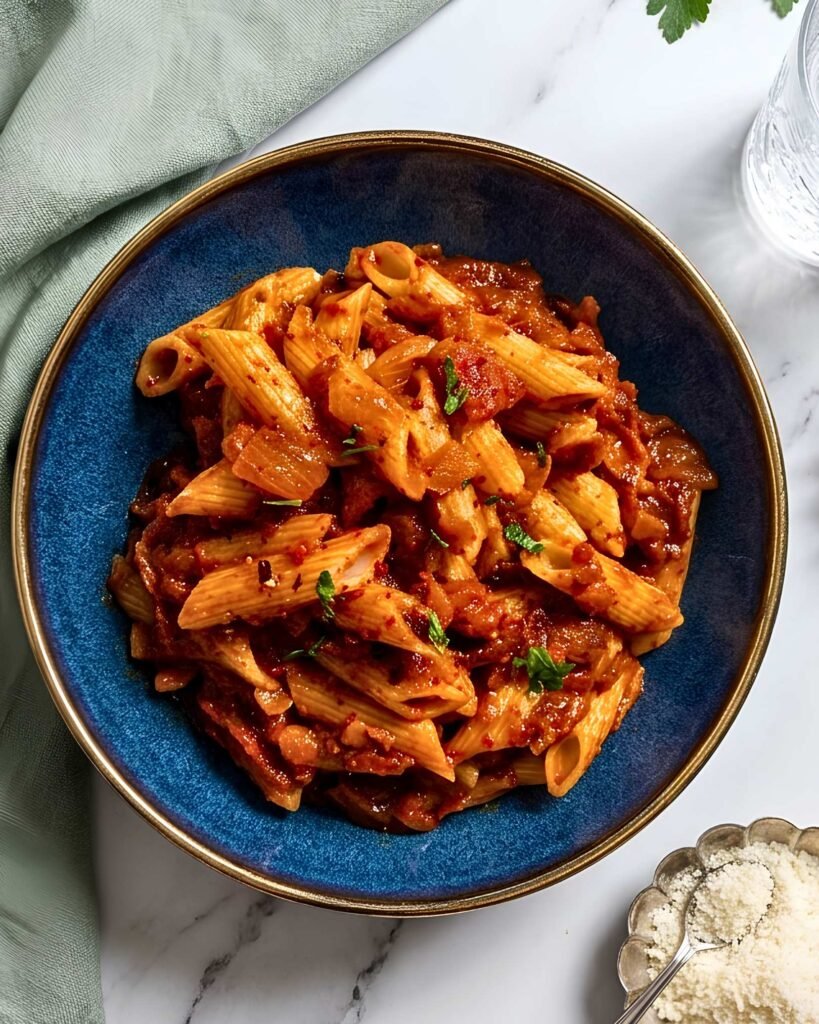
Antonio Cecchini created it in the 1920s at his restaurant, “Le Arrabbiata,” which means “angry” in Italian. The sauce combines garlic and chili, resulting in an aromatic arrabbiata pasta sauce that is truly exceptional.
Satisfyingly delicious is an understatement; in this recipe, we take a simple approach to get the most tomatoey sauce. When you taste this Arrabiata recipe, you will realize it is massively different from any store-bought version. It is so much better and incredibly easy to make at home.
Ingredients
Tomato Polpa, Onion, Garlic, Chili flakes, Salt, Pepper, Paprika powder, Penne, Olive oil and Butter.
This delicious dish uses a variety of ingredients to create a satisfying meal. Arrabiata pasta features chopped tomatoes, which are also known as tomato polpa. Fresh onions and garlic provide the base; a blend of spices, such as chili flakes, salt, pepper, and dried basil, will enhance the flavor of the arrabbiata pasta. Penne pasta is best suited for this dish, as its shape holds the sauce well. Olive oil and butter accentuate the smooth and rich texture of the ingredients.
Instructions
Place a pot on medium-high heat. Add a generous spoon of butter to the pot. When the butter melts, it releases a rich, silky, nutty taste. This will add a luxurious taste to the tomato sauce. Butter also reduces the acidity of the tomato sauce, ensuring a balanced taste.
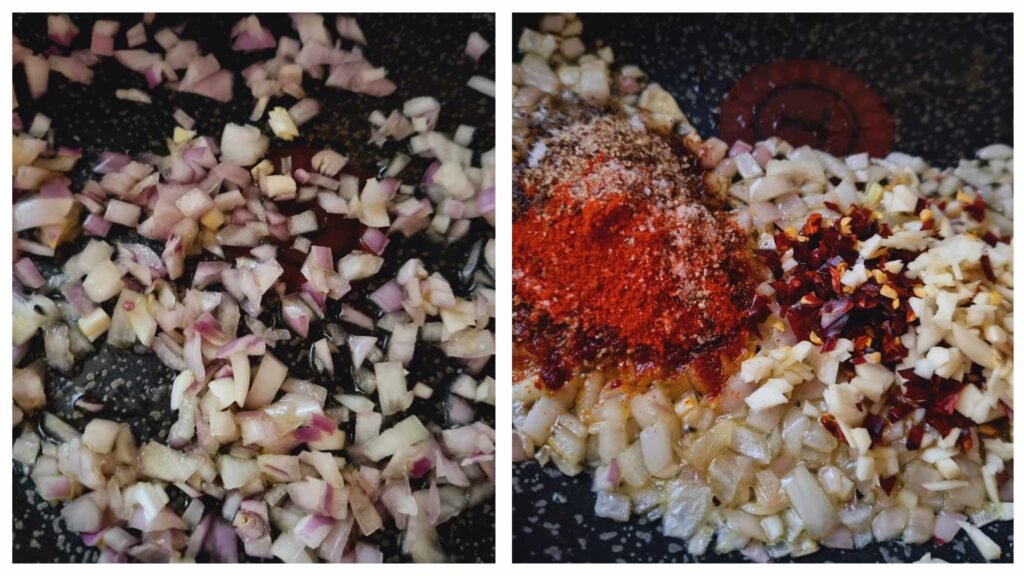
Add the roughly chopped onions to the pot as soon as the butter is melted. The onion should be cut into medium-sized pieces to ensure even cooking. Sauté the onions in butter until they caramelize; their sweetness balances the heat of the chili.
After the onions have softened, add the chili flakes and spices. As a substitute for chili flakes and paprika powder, consider using a small amount of bird’s eye chili, fresh red chili peppers, and cayenne pepper. The chilies will add a bold, intense flavor to the arrabbiata pasta sauce.
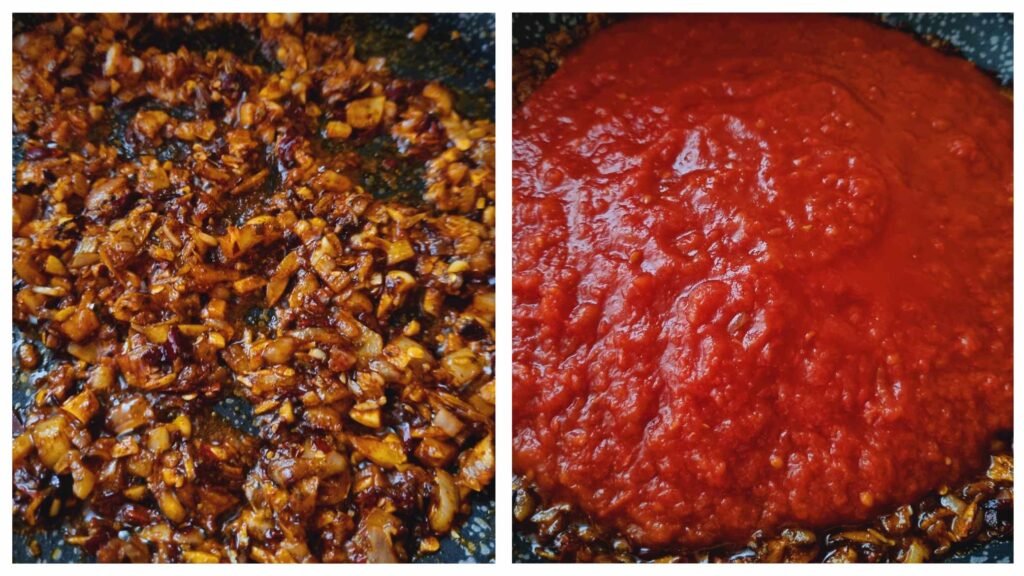
Continue to sauté the chili flakes and spices, stirring the mixture regularly to prevent the garlic, spices, and chili flakes from burning. If they burn, they will make the arrabbiata pasta sauce bitter, so it’s important to keep stirring the pot. Once the garlic, onion, and chili flakes are sautéed, add the tomato polpa. If you are using whole tomatoes, mash them with a fork as they cook.
The tomato polpa is a thick sauce with a slightly concentrated flavor and intensity. In this time, the flavors will deepen, the heat from the chilis will infuse into the tomatoes, and the sweetness of the onions will balance the acidity of the various tomato elements. Let the sauce simmer for 15 to 20 minutes, stirring regularly to prevent it from sticking or burning.
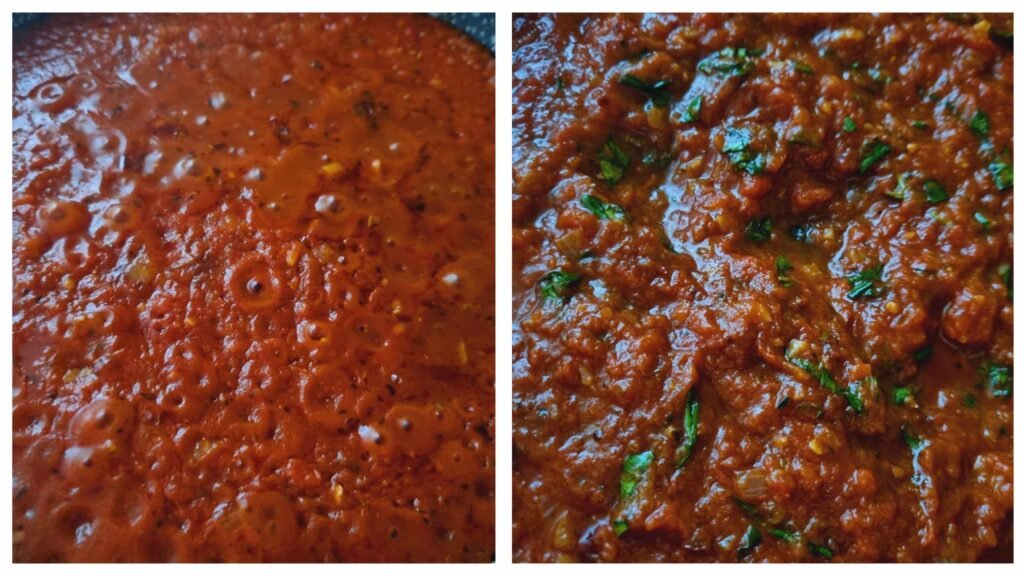
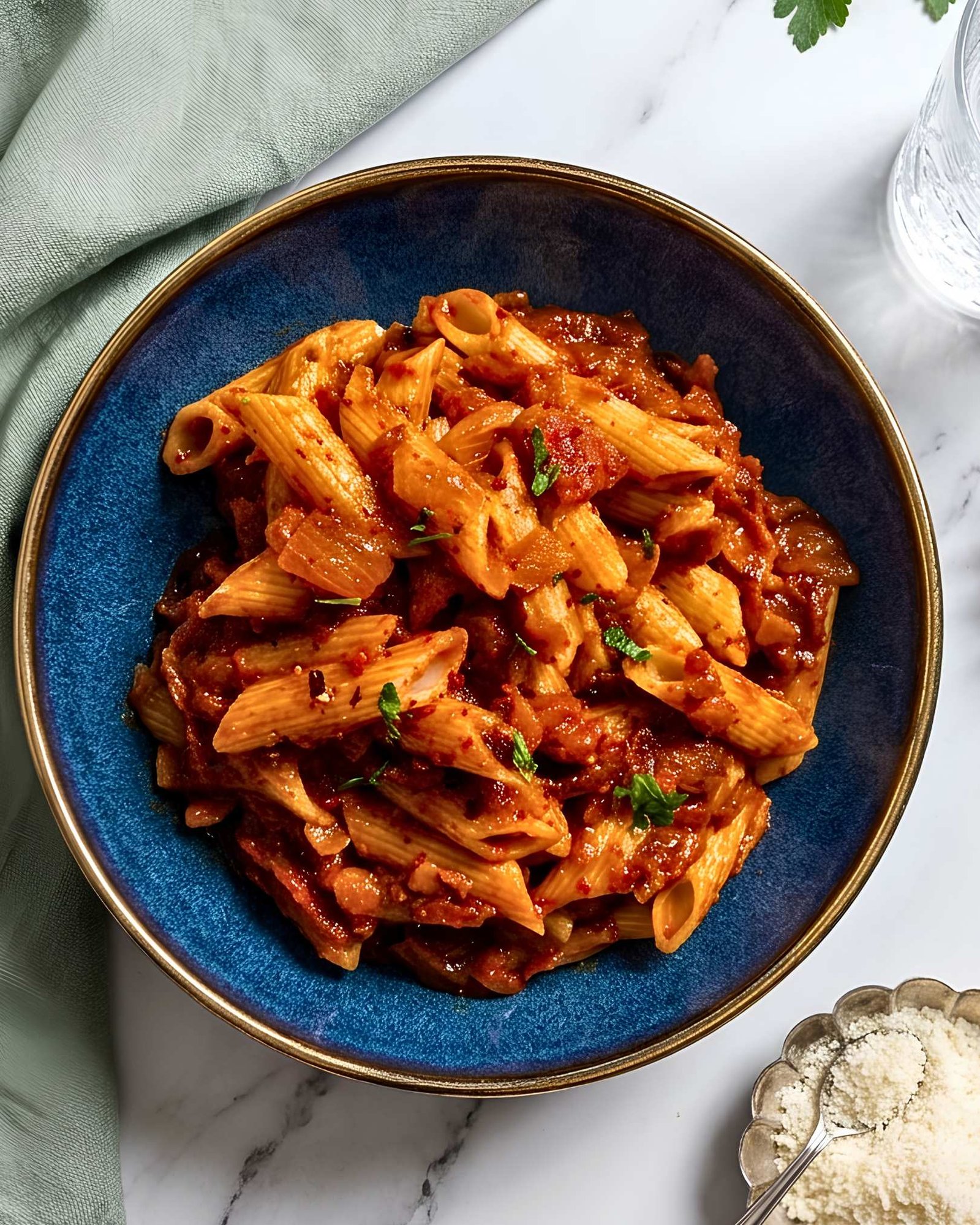
To prepare the pasta, follow the package instructions. You will typically need a large pot of boiling, salted water. Add the pasta and stir it gently to prevent sticking. To further help with this, you can add a tablespoon of oil. Cook the pasta until it reaches ‘al dente,’ which means it should have a slightly firm texture with a bit of a bite. Once the pasta is done, reserve 1/2 cup of the cooking water and set it aside. Add a few tablespoons of this water to your tomato sauce to ensure it becomes smooth and glossy. Next, combine the rich arrabbiata sauce with the cooked pasta, making sure that the sauce thoroughly coats all the pasta, including the pieces at the bottom of the pot. Finally, stir the pasta and garnish it with chopped parsley. Enjoy your delicious tomato pasta!
What to Serve with Arrabiata Pasta?
Arrabiata pasta can be served with a range of different side-dishes. If you want to a more garlic taste, consider serving with some Garlic Bread. For a fresh and vibrant taste, then this Citrus Pomegranate Salad will be ideal. Other side-dishes include Roasted Brussels sprouts, Grilled Asparagus, Roasted Cauliflower.
How to Store Arrabiata Pasta?
Allow the pasta to cool completely before storing it in an airtight container, where it will keep for three to four days. Freezing arrabiata pasta is not recommended; it is best enjoyed fresh. Instead, you can prepare and freeze the sauce, then make the pasta fresh on the day of serving. The arrabiata sauce can be frozen for two to three months. To reheat, use either the stove or the microwave.
Ingredients
- 300 gram Penne
- 8 Garlic cloves – finely diced
- 1 Onion – cut into cubes
- 1 tbsp Butter – optional
Liquids
- 2 cans Tomato Polpa – or a Jar of Tomatoes
- 4 tbsp Extra Virgin Olive Oil
- 2 tbsp Pasta water
Spices
- 1 tbsp Crushed chili
- 1 tsp Dried basil
- ½ tsp Black pepper
- 1 tsp Paprika powder
- 1 tsp Salt
Garnish
- 1 cup Fresh Parsley – optional
Instructions
- Saute the Onion and Garlic: Preheat the pan on low heat. Add extra virgin olive oil and cook the onions for two minutes. Then add the minced garlic and crushed chili, and cook for one more minute while continuously stirring.
- Cook the Tomato Sauce: Add the tomato polpa, salt and pepper, and cook for 15 minutes on low heat with the lid closed. While the sauce is cooking, cook the pasta as instructed on the packet. When the pasta is al dente, keep a little bit of pasta water before draining the pasta.
- Add the Pasta Water: When the sauce is cooked, lower the temperature to minimum, add parsley, add the cooked pasta and 2 tablespoons of pasta. Stir from bottom up to coat all the pasta with the sauce. Garnish with parsley and Parmesan cheese to serve.
Nutrition
Calories: 593kcal | Carbohydrates: 86g | Protein: 16g | Fat: 21g | Saturated Fat: 3g | Polyunsaturated Fat: 3g | Monounsaturated Fat: 14g | Trans Fat: 0.01g | Cholesterol: 2mg | Sodium: 560mg | Potassium: 455mg | Fiber: 5g | Sugar: 7g | Vitamin A: 1691IU | Vitamin C: 32mg | Calcium: 93mg | Iron: 3mg
Did you make this recipe?Pin to Save this Recipe