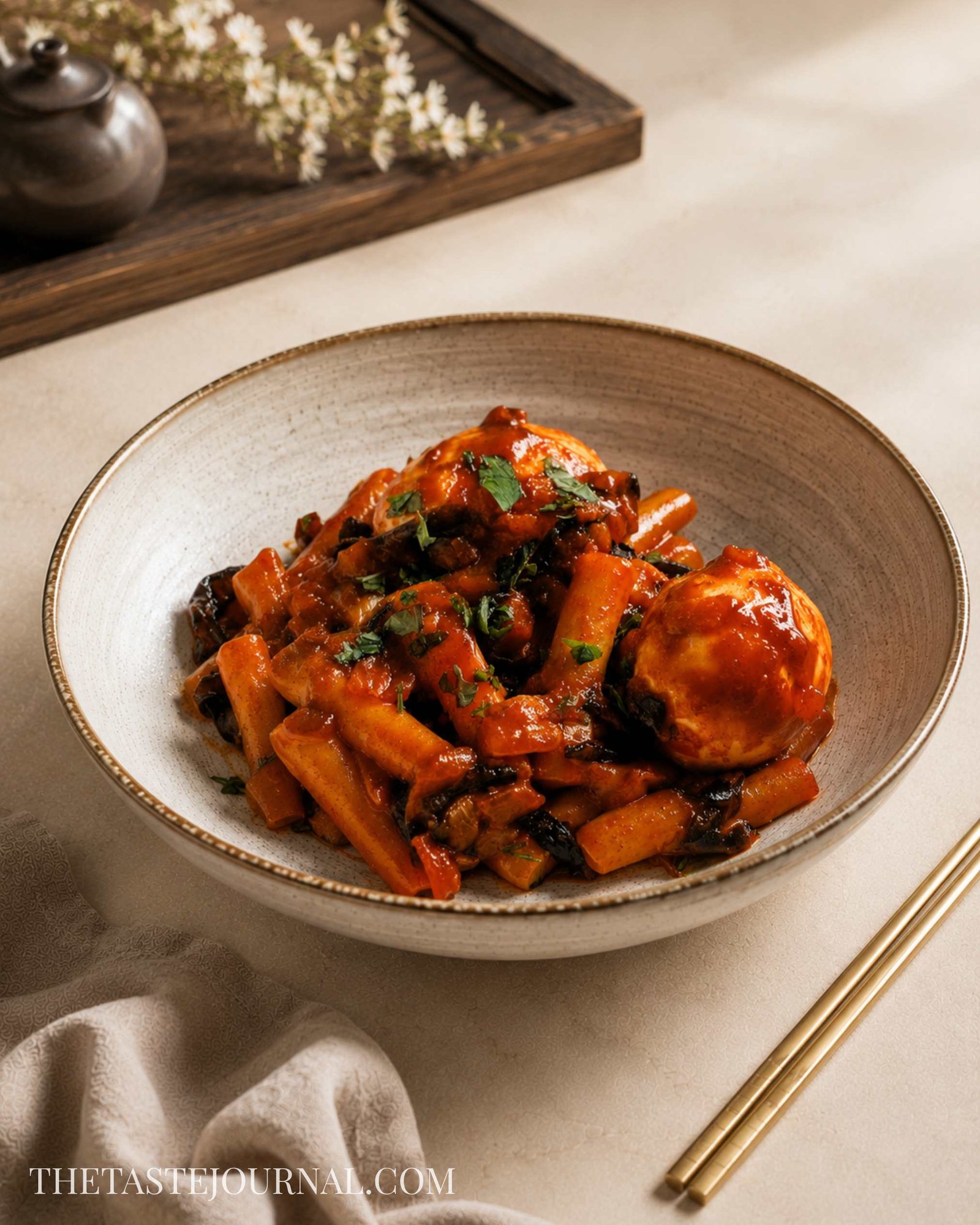
Tteokbokki
South Korea has a rich and incredible culinary heritage. One of their most marvelous creations is Tteokbokkie. This dish is not only delicious but also satisfying, making it a must-try for anyone who loves Korean food.
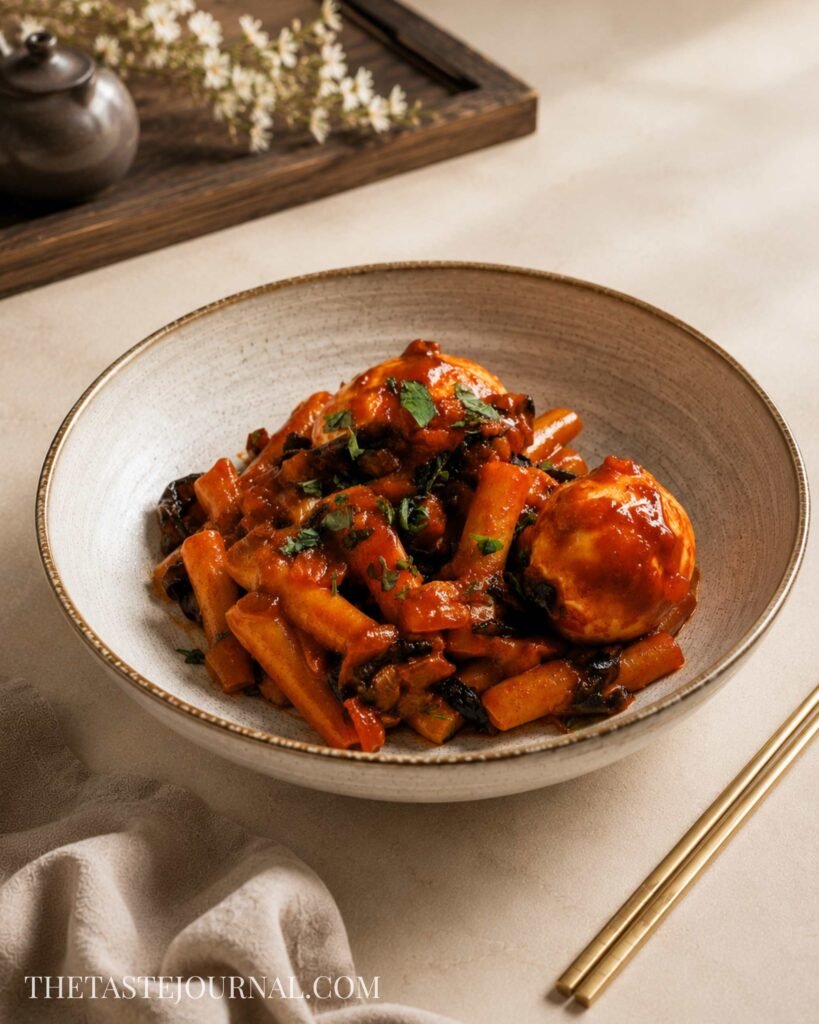
Tteokbokki is made from white rice flour that is pounded into shape. Tteok is tender, bouncy, chewy, and slightly sweet. The main sauce for for tteokbokki is a combination of condiments and seaweed, which gives this dish its umami flavor. Gochujang and gochugaru will enhance the flavor of the tteokbokki, adding a spicy kick.
Historically, this dish was primarily made on the sweeter side. Over time, a wide range of tteok were created to meet the tastes and needs of the Korean people. Eventually, savory recipes were developed, and one result was spicy teokkbokkie. A non-spicy variation of this dish is Gungjung Tteokbokkie.
Tteokbokkie is classified as Bunsik (분식), which means a quick snack food, but don’t let the word ‘snack’ fool you. This is quite a satisfying meal that will keep you satiated for some time. The Koreans are huge fans of Tteokbokki; they love eating it with their family.
Origin of Tteokbokki
Did you know that the original tteokbokki did not use gochujang as its base sauce? The history of tteok dates back to the Goryeo Dynasty (918-1392), when it was originally prepared as royal cuisine.
During this period, tteokbokki was known as Gungjung Tteokbokki, which means “royal rice cake.” It was made with soy sauce, honey, and various spices, resulting in a savory and subtly sweet flavor. The royal version of tteok consisted of plain, long rice cakes stir-fried with beef, vegetables, and soy sauce.
Ingredients
Rice cake, onion, boiled eggs, salt. gochujang, soy sauce, garlic, gochugaru, sesame seed oil, tomato paste, brown sugar, parsley and basil leaves.
Rice cakes can be purchased at most Asian supermarkets. They can also be ordered from online sources. It comes in frozen form. You can also use rice cakes with mozzarella, which would be incredibly delicious in this dish. Onions and garlic add a savory, slightly sweet taste.
It is made from a type of red pepper native to South Korea. It is also fermented, which makes it beneficial for your gut health. Gochugaru is a chili flake that forms the foundation of gochujang. Sesame seed oil has a nutty taste. Tomato paste is used in place of ketchup, giving this dish a robust, concentrated tomato flavor. Brown sugar adds a bit of sweetness. Parsley and basil leaves are added as a garnish; it is optional and not traditionally used in the authentic dish.
Instructions
Remove the rice cakes from the freezer. It will take a few minutes to soften. Thinly slice the onions and garlic finely. Wash the parsley and basil leaves, then finely chop them and set aside.
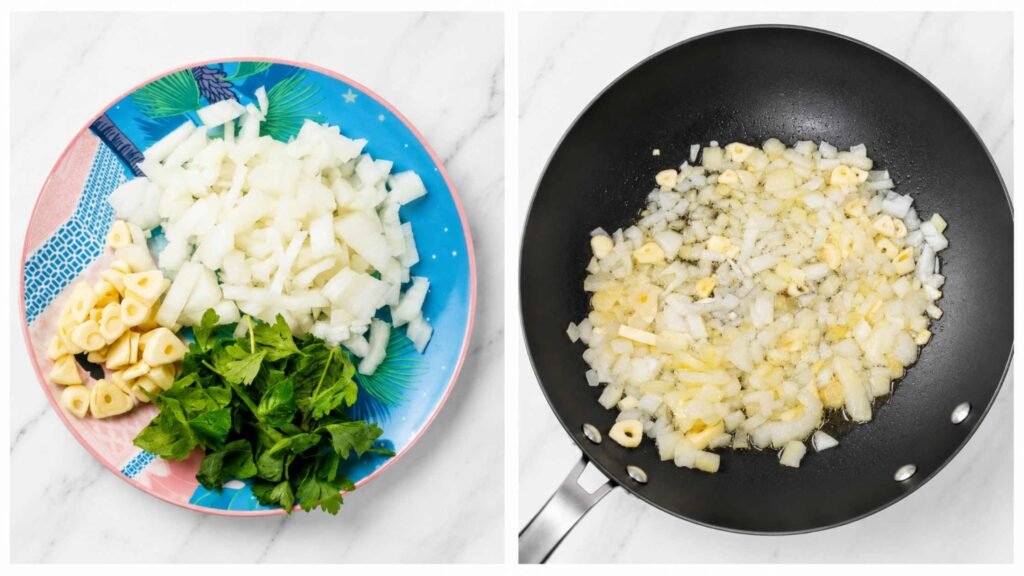
Add water to a pot and bring it to a boil. Add salt to the water and add six eggs. After 14 minutes, drain the water and peel the eggs under cold running water. Prepare a small bowl, add water, and the seaweed. In a wok, add the garlic, onion, and oil over medium-low heat and cook for 8 minutes. Sauté the onion and garlic until they are caramelized and lightly browned.
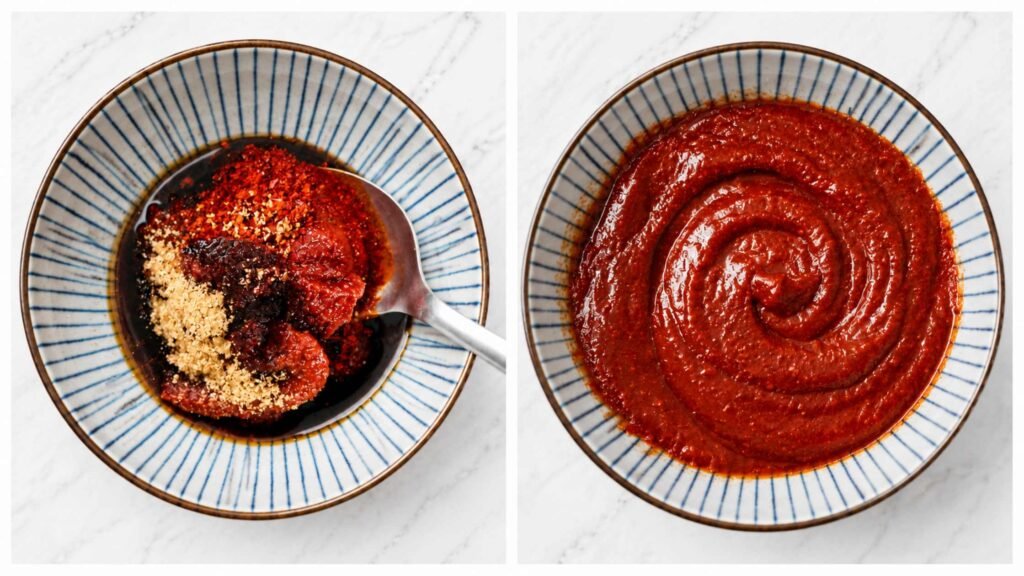
Prepare a bowl to make the tteokbokki sauce. Add gochujang, soy sauce, garlic, gochugaru, fish sauce, and tomato paste, and stir to mix. Add the rice cakes to the wok, stir, and after 3 minutes, pour the tteokbokkie sauce into the wok.
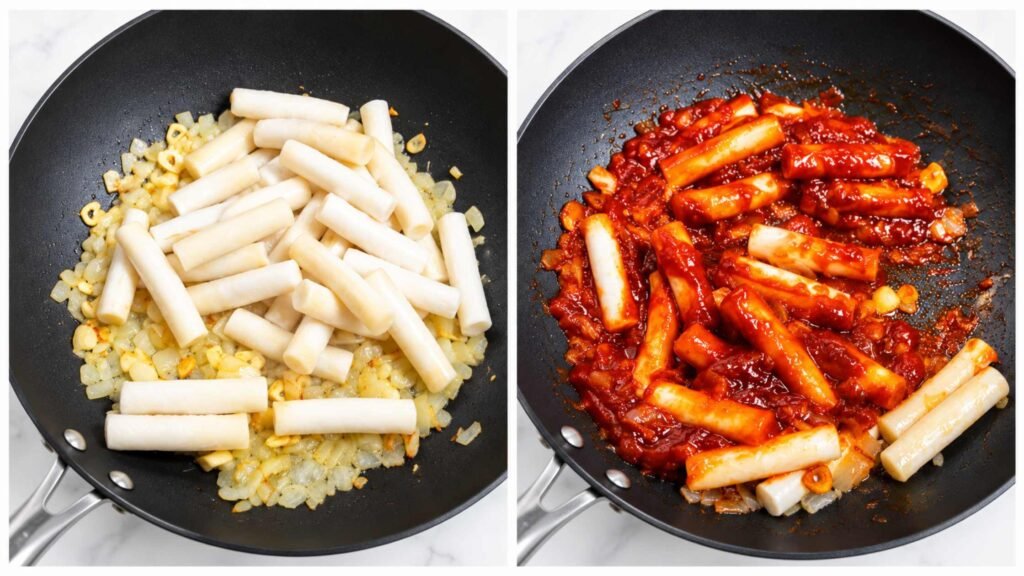
Stir the sauce for five minutes on medium-low heat. Add water to the mixture; it will help to dilute the sauce and reduce its spiciness. The tteokbokkie sauce is not overly spicy; on a scale of 1 to 10, the spice level for this dish is a 5.
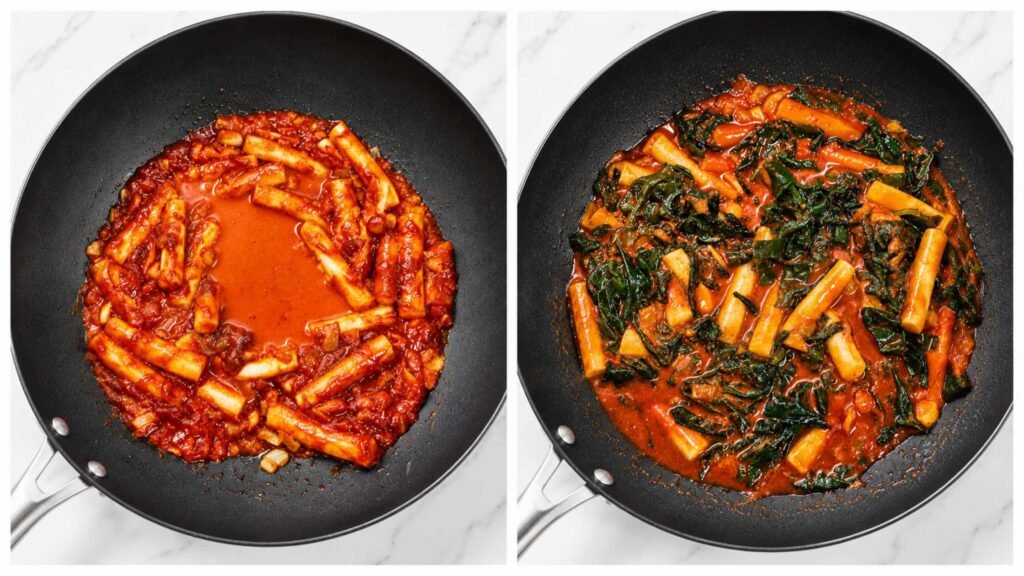
Adjust the temperature to low, add the rice cake, and simmer the sauce. Add the peeled, boiled eggs and simmer for another 5 minutes, stirring. Drain the seaweed, then add it to the wok. Stir the ingredients well and let them simmer for a few more minutes. Garnish with sesame seeds and serve immediately.
How to Store Tteokbokki?
Store the tteokbokki in an airtight container. It can be stored in the fridge for up to three days. Tteokbokki can be stored in the freezer for up to a month; however, freezing the cooked rice cake can alter the texture when reheated. Reheat the tteokbokki on the stovetop by adding a touch of water to the sauce. It can also be reheated in the microwave. Make sure to use a microwave-safe dish, and cover the plate with a microwave-safe lid.
Ingredients
Main ingredients
- 350 gram Rice cake – separated
- 1 Onion – sliced
- 7 Garlic Cloves – sliced
- 6 Boiled eggs
Sauce
- 2 Tbsp Gochujang – Korean Chili Paste
- 2 Tbsp Soy sauce
- 1 tsp Gochugaru – Korean Red Chili Powder
- 2 tsp Sesame seed oil
- 2 Tbsp Tomato Paste
- 1 Tbsp Brown sugar
- 1/2 tsp Fish sauce
Garnish
- 1 tsp Sesame seeds
- 100 grams Parsley & Basil – Finely chopped
Instructions
- Preparation: Cook six eggs in a pot of water until it is hard-boiled. Peel the eggs and set aside. Chop the onions, garlic and herbs. Remove the rice cake from the fridge and set aside. Soak the seaweed for five minutes, it will triple in size after it soaked.
- Saute: In a wok, add the onion and garlic with cooking oil. Sauté on medium low heat for eight minutes until the onions and garlic have caramelized. Add the rice cakes and cook for a few minutes.
- Make the Sauce: Prepare a bowl to make the tteokbokki sauce. Add gochujang, soy sauce, garlic, gochugaru, fish sauce, brown sugar and tomato paste, and stir to mix them. Add the sauce to the wok. Add the boiled eggs, add 1 cup of water to the mixture. Stir well. Add the seaweed and simmer for five minutes. Garnish with sesame seeds and herbs of your preference and serve immediately.
Nutrition
Calories: 532kcal | Carbohydrates: 84g | Protein: 19g | Fat: 14g | Saturated Fat: 3g | Polyunsaturated Fat: 3g | Monounsaturated Fat: 5g | Cholesterol: 280mg | Sodium: 754mg | Potassium: 561mg | Fiber: 5g | Sugar: 8g | Vitamin A: 678IU | Vitamin C: 7mg | Calcium: 75mg | Iron: 3mg
Did you make this recipe?Pin to Save this Recipe