Newsletter Subscribe
Enter your email address below and subscribe to our newsletter
Enter your email address below and subscribe to our newsletter
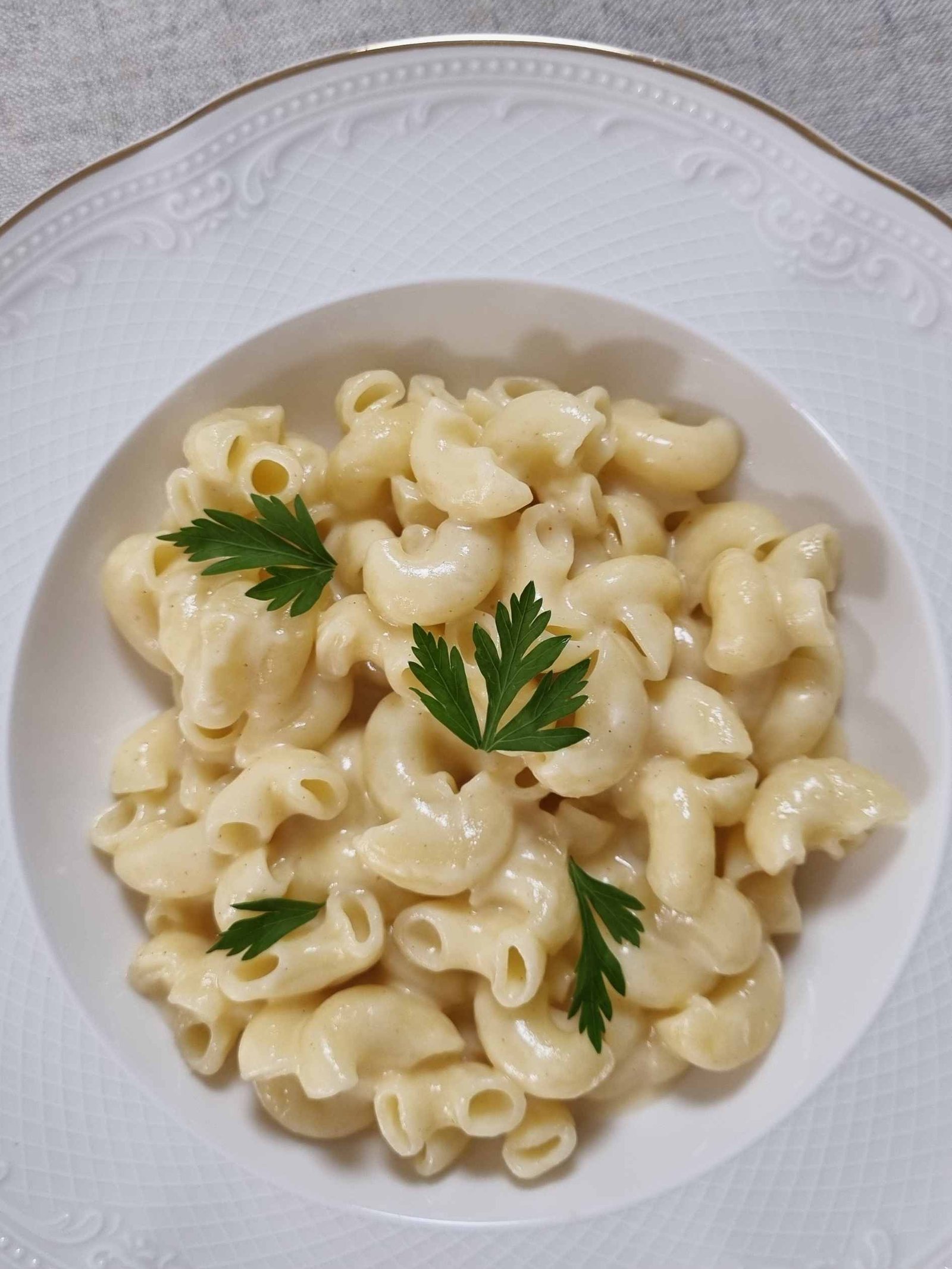
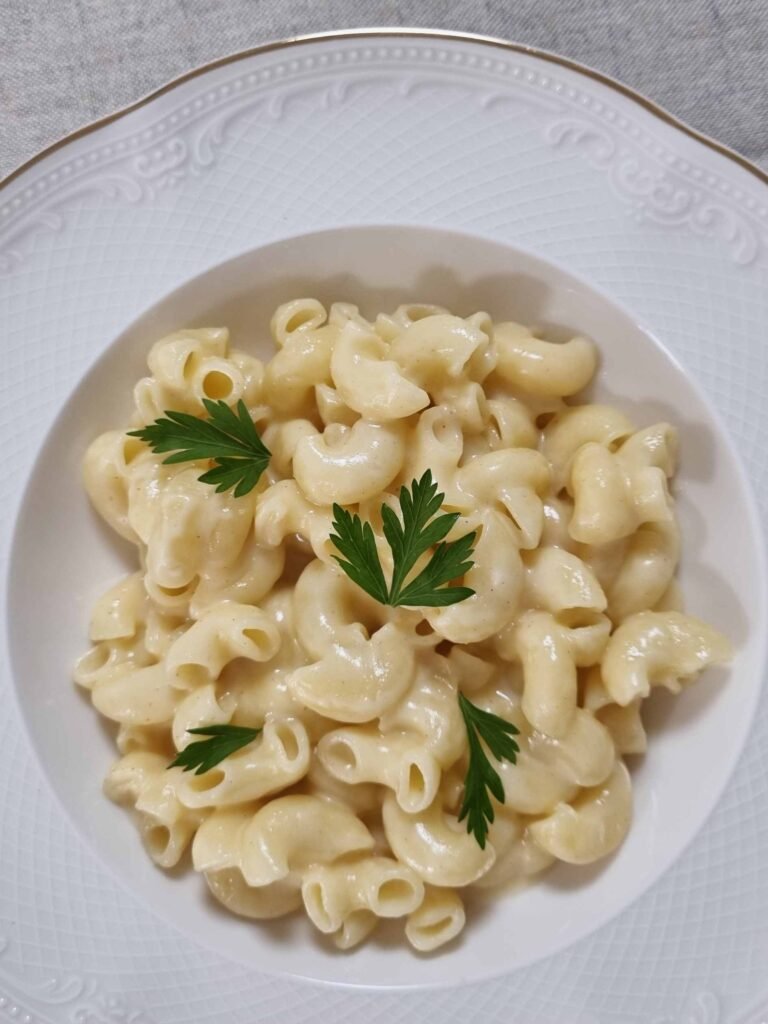
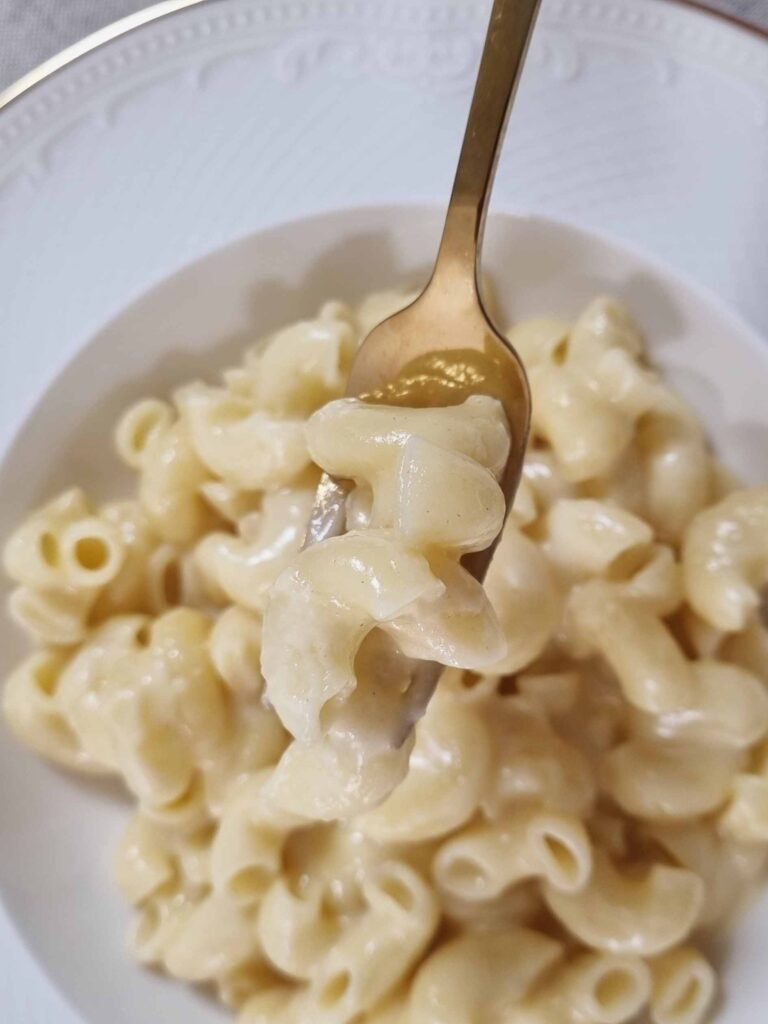
Today, we are making Stovetop Mac & Cheese. This recipe is creamier and cheesier than most mac and cheeses, and it is highly convenient because it doesn’t require turning on the oven.
When making mac and cheese, many people strive for a silky sauce that coats the macaroni perfectly, whilst offering a moderate to intense cheesiness. One of the core aspects of mac and cheese is the Mornay sauce. This may sound fancy, but it is nothing more than a classic bechamel sauce.
Macaroni pasta, Milk, Mature Cheddar Cheese, Monterey Jack, Butter, Flour, Nutmeg, Dijon Mustard, Paprika Powder, and Salt.
One of the key elements to creating a creamy Mac & Cheese is understanding how to make the roux. A roux is made with both butter and flour; when cooked correctly, it forms the base of the Mornay sauce. The key is having all the ingredients on hand, including a whisk or a fork for mixing the roux. Whole milk is standard in most mac and cheeses. You can make this dish creamier by adding heavy cream.
When it comes to cheese, high-quality Mature cheddar is essential. Monterey Jack melts easily and blends well with cheddar. However, if you are a fan of the cheddar flavour, you can use a combination of Mature Cheddar and White Cheddar to achieve that perfect balance of flavours. For the smoothest Stovetop Mac & Cheese Sauce, grate your own cheese from a block; pre-shredded cheese is often coated with potato starch to prevent clumping in the bag, which can lead to a gritty Mornay sauce.
Some people use powder mustard, and that is fine if you have it on hand and would prefer to use it. Dijon mustard adds a sophisticated flavour, synonymous with restaurant-quality Mac & Cheese. Smoked Paprika powder is an unusual ingredient in Stovetop Mac & Cheese; it adds a little heat and a subtle smokiness. Nutmeg pairs well with creamy sauces and rounds out their flavour, giving this dish an unusual flavour that will keep your guests returning for more.
Add water to a pot and bring the pasta to a boil on medium-high heat. The elbow pasta will take 9 minutes to reach al dente. Cook the pasta for 8 minutes; this will ensure it retains its shape when you add it to the Mornay sauce. Grate the cheeses before starting the roux.
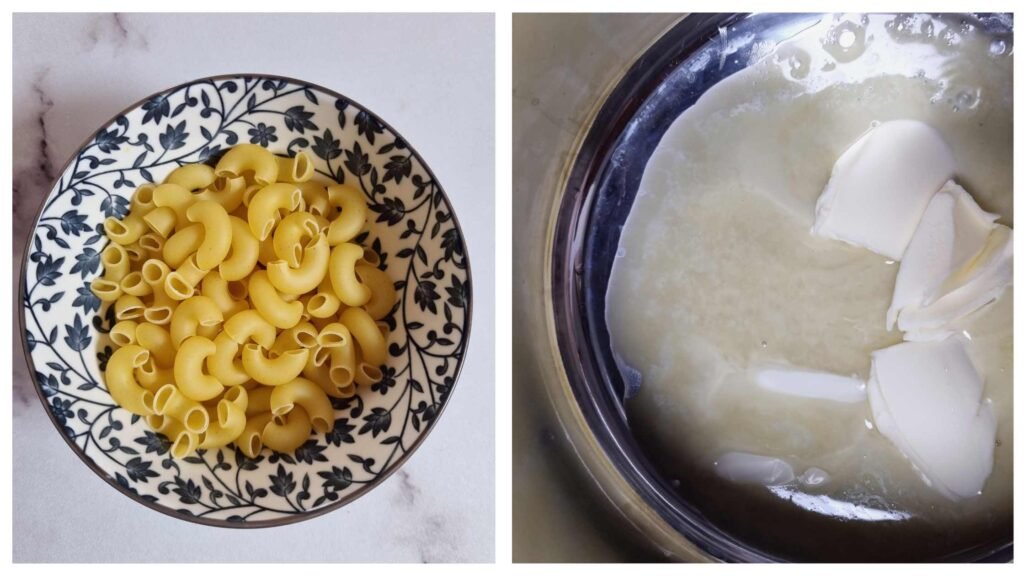
Melt the butter over medium-low heat, then whisk in the flour. Cook for 1 to 2 minutes to remove the raw flour flavour, stirring constantly with a fork or whisk. Once the roux begins to thicken, it will form a light golden paste. Add the milk slowly, whisking continually. Gradually, the milk and roux will combine, creating the glossy Mornay sauce.
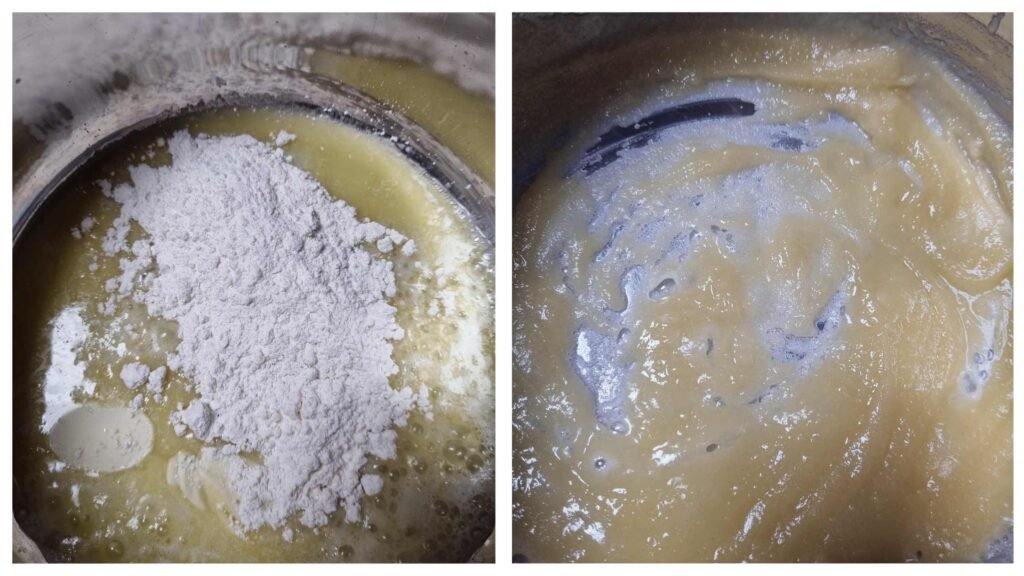
Add the nutmeg, paprika powder, Dijon mustard, and salt. Taste the sauce to ensure that the flavours are right. If you want to create a more golden colour of mac and cheese which is similar to the box version, consider adding 1/4 tsp of turmeric powder for colour.
A crucial step to ensure that you have a smooth Mornay sauce is to remove the pot from the heat before adding the cheese. Adding the cheese to the sauce whilst it is still hot can cause the proteins to tighten, leading to a grainy texture in the Mornay sauce. Add the cheeses to the Mornay sauce gradually, stirring until they start to melt; this will take a few minutes.
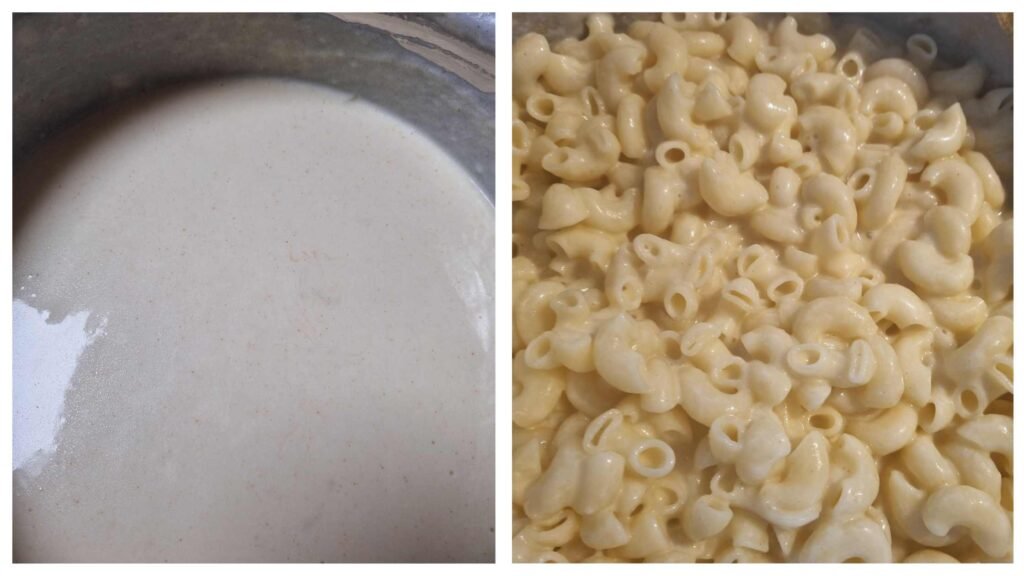
The Stovetop Mac & Cheese is ready to eat; you can garnish it with fresh parsley for colour or jalapeño chilies for heat. A few black olives, along with Tabasco sauce, can really dress up the flavours of the traditional Mac & Cheese.
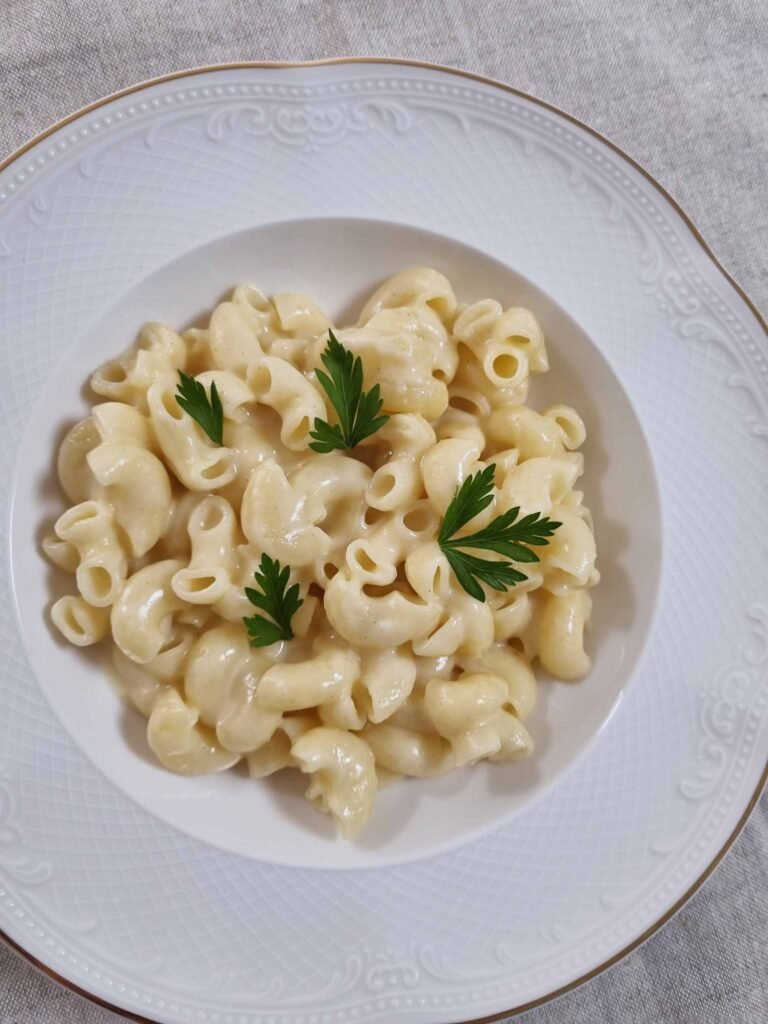
Stovetop Mac & Cheese is meant to be shared with your loved ones. It is perfect for a large gathering or a family barbecue.
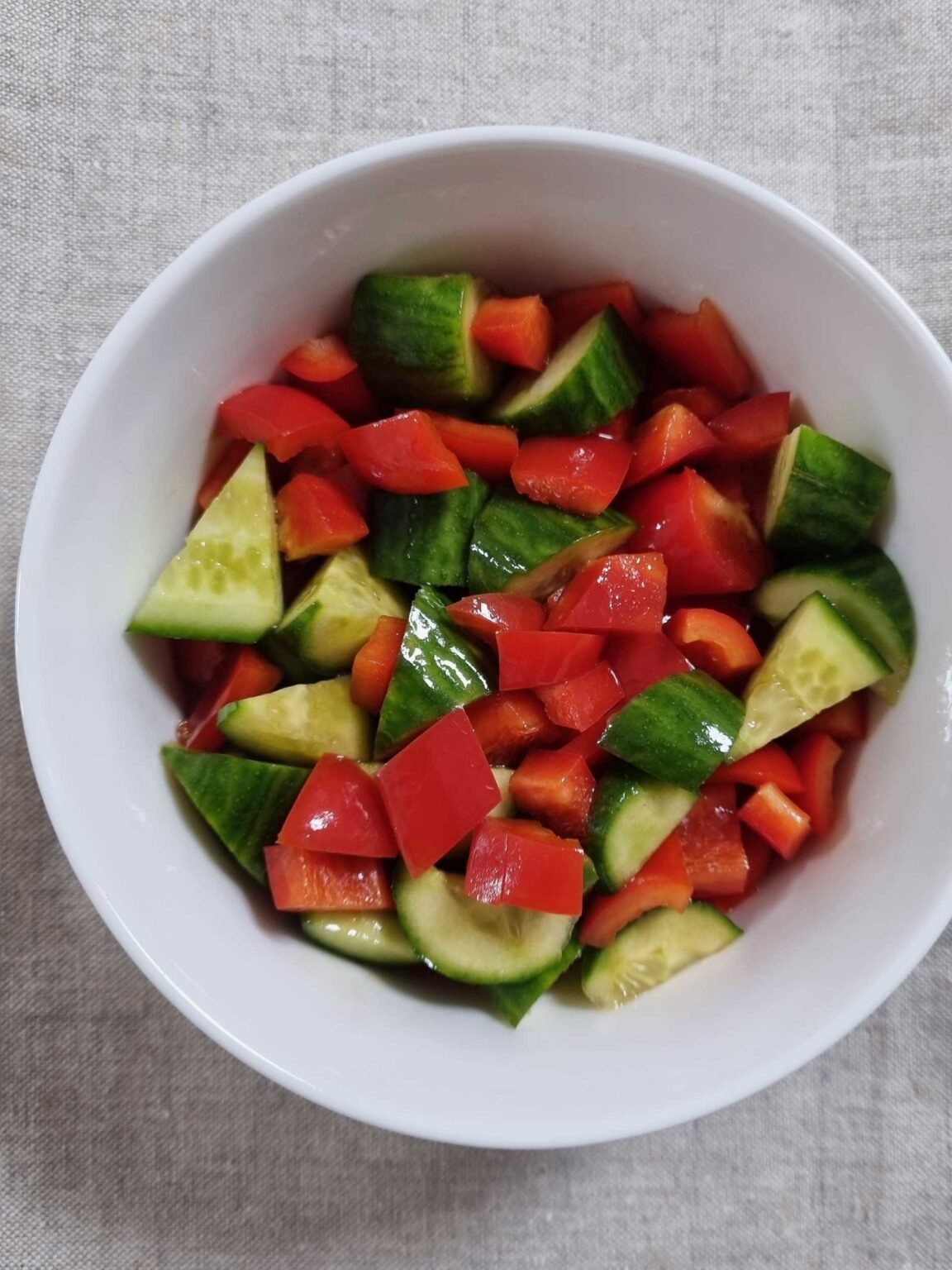
Stovetop Mac & Cheese is a rich and creamy dish with a soft texture. Pairing this dish with a crunchy salad, such as Red Pepper and Rocket Salad, will add a tangy dimension. Grilled Green beans or Roasted Brussels sprouts can add a crispy flavour to the Mac & Cheese.
Store the Mac & Cheese in an airtight container for three to five days. Reheat in the microwave or on the stovetop. Stovetop Mac & Cheese can be frozen; it will last up to 3 months. Defrost and reheat in the microwave, or reheat this dish on the stovetop by adding a splash of milk.
The key to the perfect stovetop mac & cheese is in the technique and the amount of liquid used in the Mornay sauce. The first element revolves around technique: cook the flour with the butter to remove the floury taste. You can taste a little bit of the roux to ensure the butter and flour are well emulsified.
Secondly, make sure you move the pot off the heat when adding the cheeses; this will ensure your cheesy sauce is smooth and glossy. The next factor is the correct amount of milk that is used in the Mac & Cheese recipe. This recipe serves 6 people and uses 500 grams of uncooked pasta, which equals 1.2 Kg of cooked pasta (2.5 lb).
That means 800 ml of milk is necessary to keep the pasta moist even the on the next day. Oftentimes, people use less milk than needed, which results in mac and cheese that is perfect when freshly cooked, but once you sit down to eat, the pasta has absorbed most of the sauce, leaving a dry, sticky dish. More so, the dish won’t taste good the next day. This recipe uses a total of 400 grams of cheese, which acts as a natural thickener. 800 ml of milk will ensure the mac & cheese maintains its viscosity.