Newsletter Subscribe
Enter your email address below and subscribe to our newsletter
Enter your email address below and subscribe to our newsletter
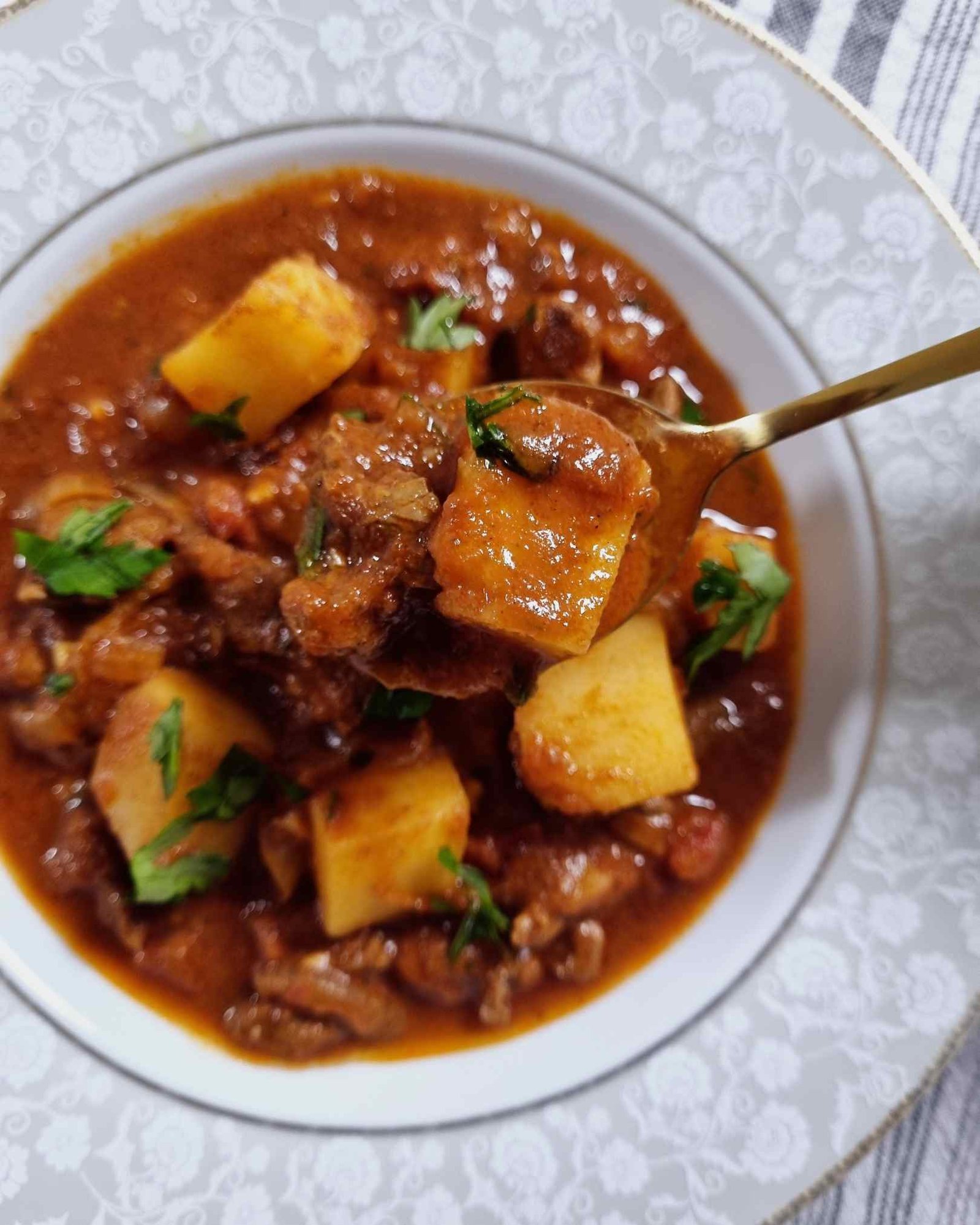
If you are looking for a dish that is warm, savoury and full of deep flavours, then look no further than Hungarian Goulash. This stew is slow-simmered with traditional Hungarian paprika powder.
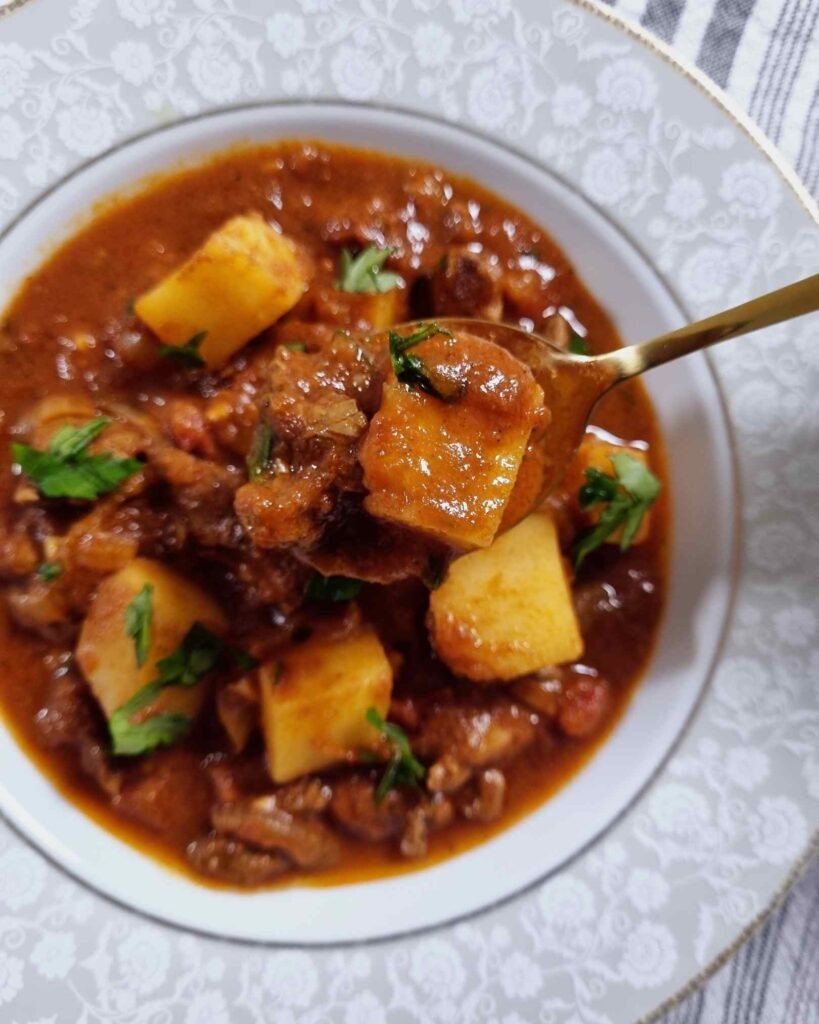
Hungarian goulash is much more than just a dish; it is a cultural symbol of Hungary’s rich heritage. This delicious stew goes back to the 9th century. The Magyar shepherds, known as pásztorok, played an essential role in shaping Hungarian cuisine. Whilst tending to flocks of sheep and cattle, they lived in close-knit communities that revolved around traditions and music. During this period, goulash, or ‘gulyas’, was developed and cooked over the fire.
What does Hungarian Paprika powder taste like? The flavours are mildly fruity, with a concentrated red bell-pepper taste. The spice creates an iconic deep-red glow with a smoky base. It’s different from beef stew; goulash has an intense flavour. The slow simmer transforms tough cuts of beef into tender morsels. This dish is perfect with freshly sliced white bread and a generous amount of butter.
The essence of goulash is a rustic stew that is made with meat, potatoes, and spices, especially paprika. This dish often uses beef, although variations with chicken and lamb are also popular. Core ingredients include onions, bell peppers, and carrots. Goulash is perfect for those days when you crave a rustic meal with deep, rich, satisfying flavours.
Beef Chuck, Garlic cloves, Onions, Tomatoes, Tomato paste, Paprika powder, Oregano, Bay leaves, Salt, Black Pepper, Worcestershire sauce, Cumin, Beef stock cube, Garlic Powder.
When it comes to Hungarian goulash, a wide range of meats can be used. Traditionally, beef chuck is favoured because it yields a flavourful, tender dish. Shank is ideal for stews, as it lends rich flavour. Brisket adds a nice flavour to the dish.
In some regions of Hungary, lamb is preferred; some options are the over-the-shoulder pieces and leg cuts. Venison offers a rustic, deep flavour; this protein is popular among those who enjoy wild game. Chicken and Turkey cook faster in the stew though not traditionally used, it will still deliver the comforting essence of the dish.
Onions and garlic cloves are caramelized to give this dish a sweet and nutty flavour. Fresh tomatoes or a can of diced tomatoes will also work for this recipe. Tomato paste adds a concentrated flavour to this dish.
Hungarian paprika is made from ground, dried peppers of the Capsicum annuum variety. Interestingly, Hungarian paprika uses three types of paprika to create its own distinctive identity. For example, it uses sweet paprika that adds a deep red colour, and they also add hot paprika, which is spicier and adds heat to the dish. Smoked paprika adds a smoky taste. Oregano will give the Hungarian goulash an earthy, woody flavour, whereas cumin, garlic powder, and black pepper will round up the dish’s flavours. Worcestershire sauce is optional; it enhances the beef’s flavour. You can use a small amount of balsamic vinegar in its place.
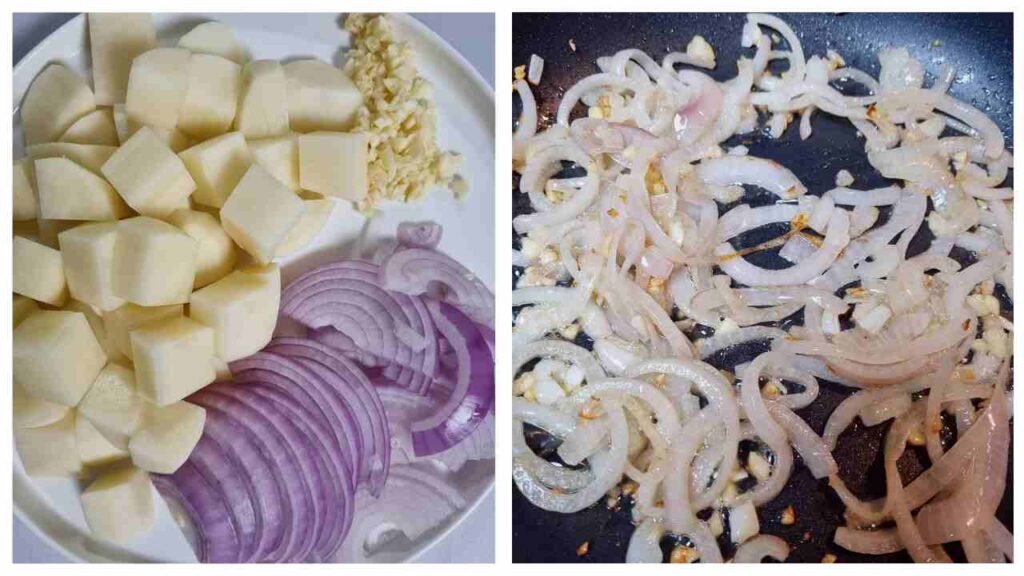
Peel the potatoes and wash thoroughly under water. Finely mince the garlic cloves, and slice the onions. Cut the potatoes into cubes. Add oil to a cooking pan on medium-low heat. Add the onions and garlic, and sauté for 6 to 8 minutes.
Wash the beef and cut it into smaller pieces to reduce the cooking time in the recipe. Add butter and cooking oil to the pot. Add the meat with a bit of water; this step will ensure the meat is soft and tender whilst infusing it with butter flavour.
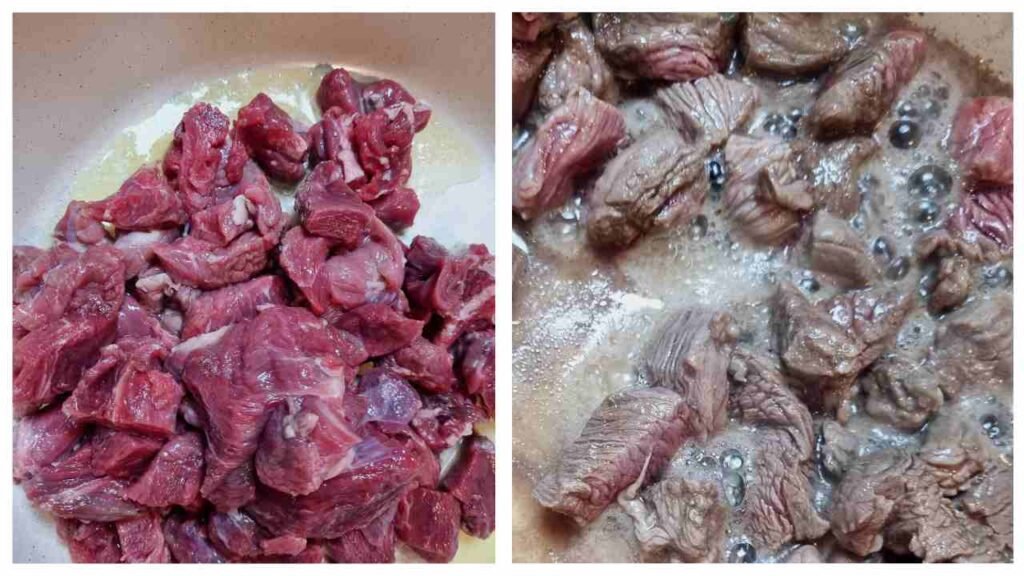
As the meat cooks, it will release water and start to brown, adding a lot of flavour to the dish. Add a can of tomatoes to the pot.
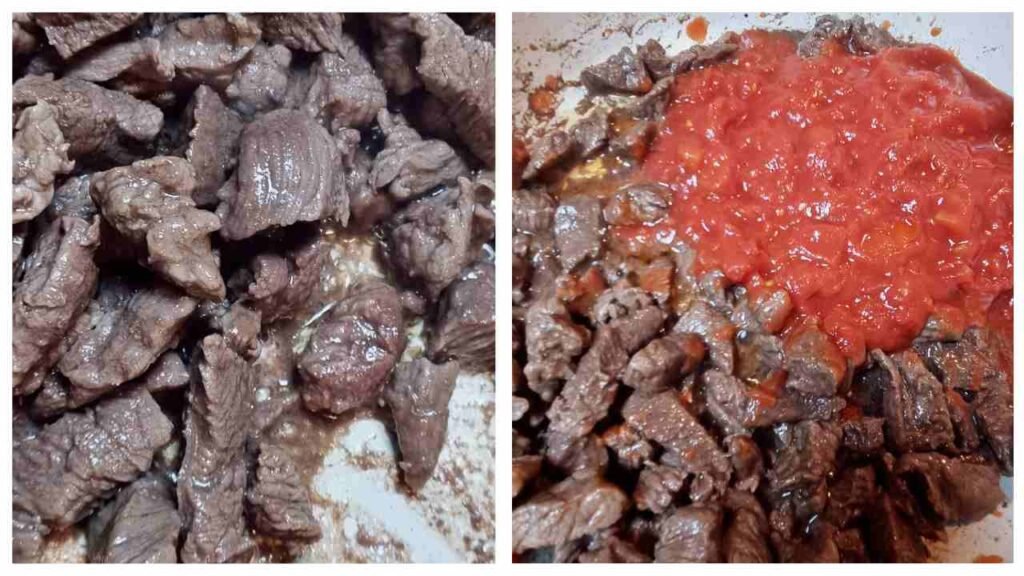
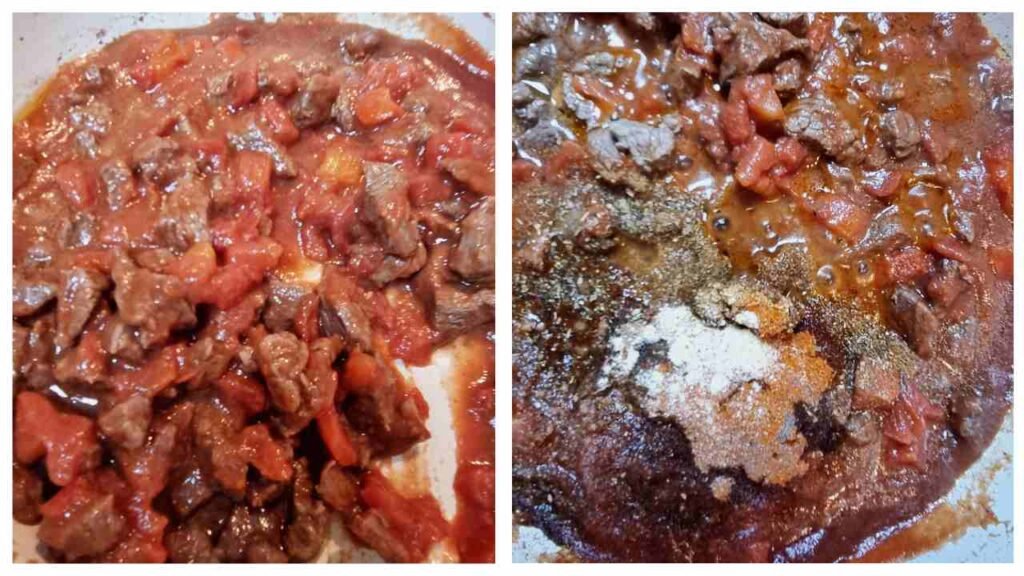
You can also use grated or blended fresh tomatoes for this recipe. Mix the meat with the tomatoes, then simmer for 5 minutes. Add spices such as garlic powder, black pepper, salt, oregano, and cumin. Mix well.
Add the potato cubes to the dish and add 2 cups of water (700 ml). Stir continuously to prevent the gravy from sticking to the bottom. Adjust the temperature, and add a little bit more water if necessary. Add the sautéed onions and garlic to the pot, then mix well.
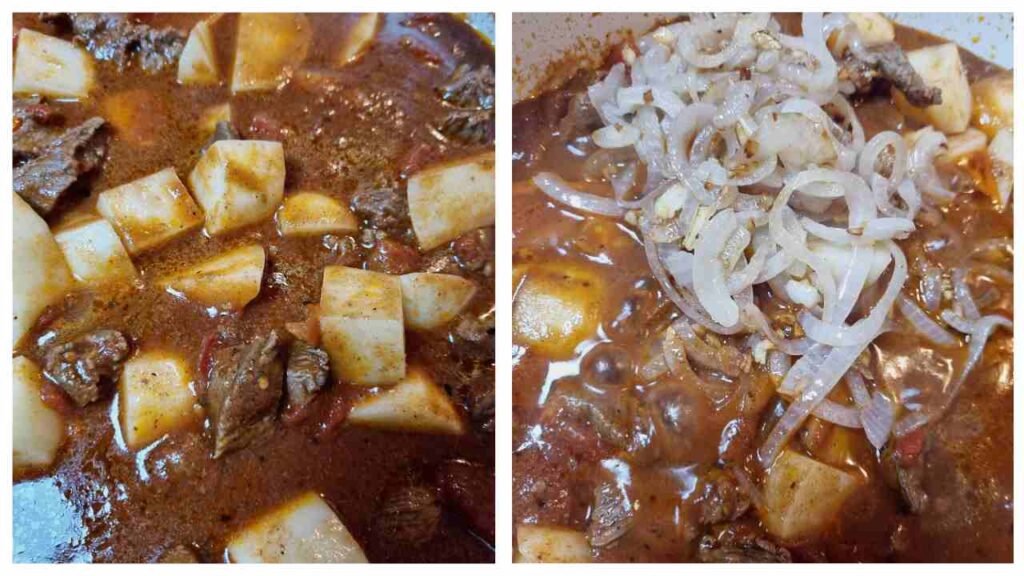
Add the tomato paste to the Hungarian goulash and stir again. Cook for 60 minutes on medium-low heat. The meat will cook faster as it has been cut into smaller pieces. However, if you are using larger pieces of meat, it will take 1.5 to 2 hours to cook on the stove.
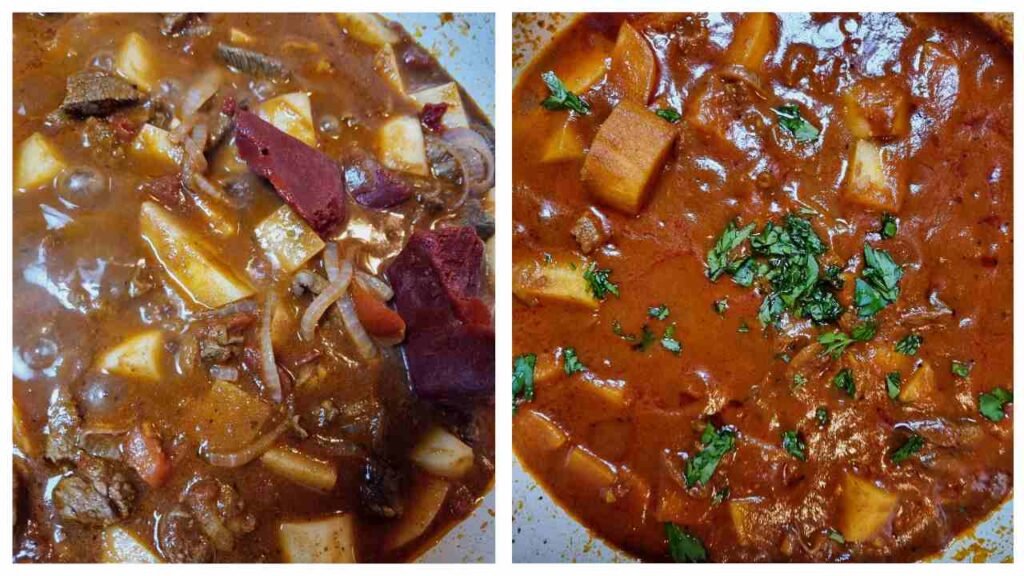
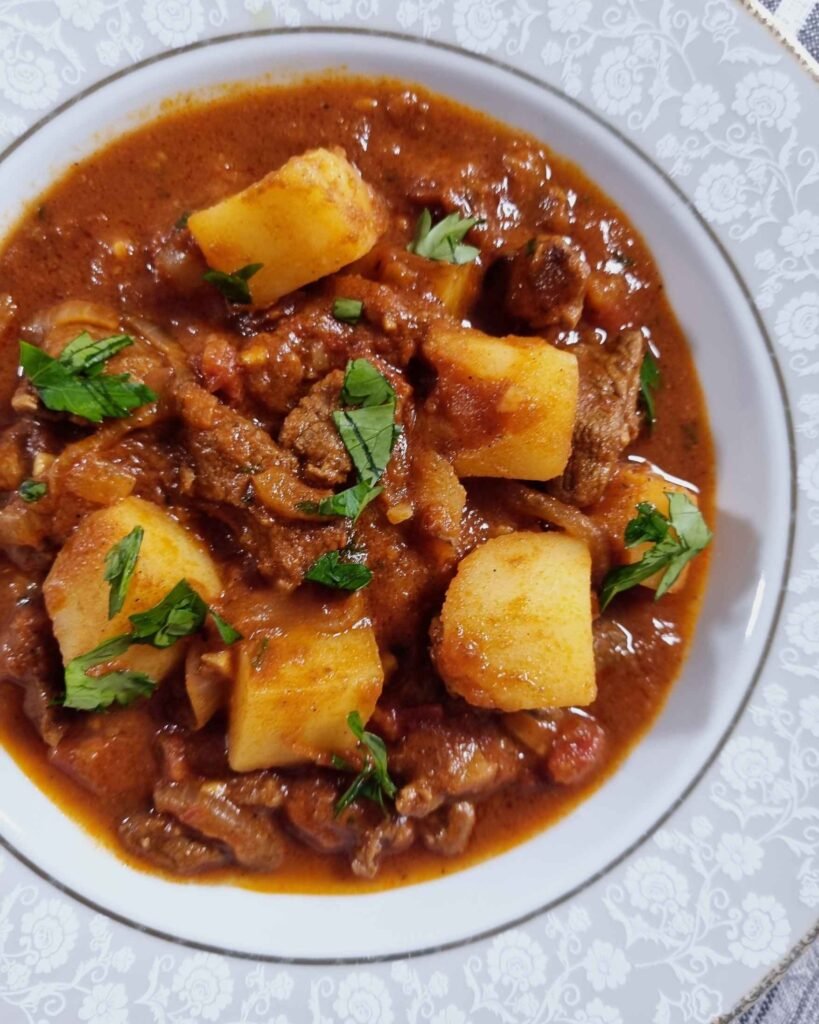
Once cooked, switch off the heat and let it cool down for five minutes. Garnish with parsley and serve on mashed potatoes or on rice.
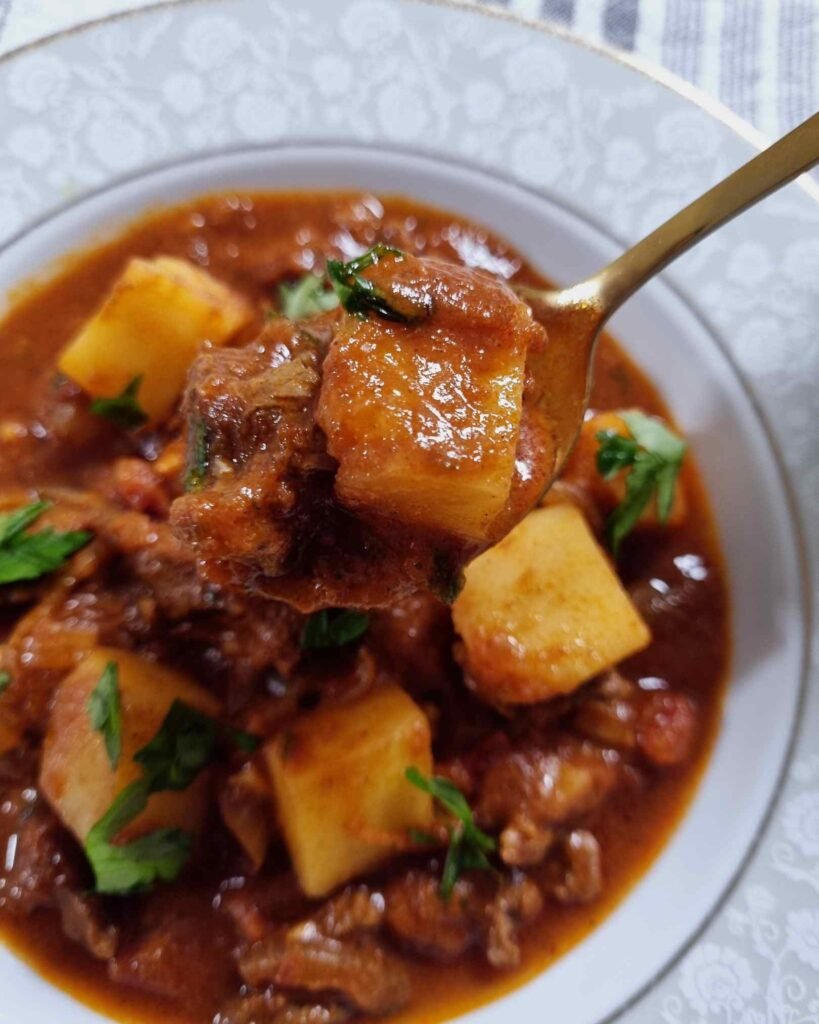
Hungarian goulash has a rich history. Culinary tradition combined with comforting flavours creates an incredible dish. This dish is perfect for an autumn day or a chilly winter night.
Hungarian goulash is a delicious and flavourful dish that pairs with many different side dishes. You can use a simple soft baguette to soak up the Hungarian goulash’s gravy or freshly made dinner rolls. This hearty stew would also be delicious with creamy mashed potatoes. Freshly steamed white or brown rice will balance out the flavours of this dish.
Let the goulash cool to room temperature and then store it in an airtight container. Refrigerate for three to four days. Freeze for more extended storage for up to three months. Defrost on the countertop and reheat on the stove or in the microwave.
Goulash tastes better the next day. Store in the fridge for a more flavourful dish. If you want to thicken the goulash, you can simmer it uncovered so more of the liquid evaporates. You can order the Hungarian paprika powder online, whilst authentic Hungarian paprika is preferred for this recipe. If unavailable, you can create your own version at home using three parts sweet paprika powder, two parts smoked paprika powder, and 1 part hot paprika powder.
The spice levels in the Hungarian goulash recipe are adjustable. Hungarians top their goulash with sour cream, which adds more flavour. You can substitute a beef stock cube for fresh beef stock, leave out the water, and use 1.5 litres of beef stock in place of the beef stock cube. Taste the salt levels and adjust as desired.