Gochujang Pasta
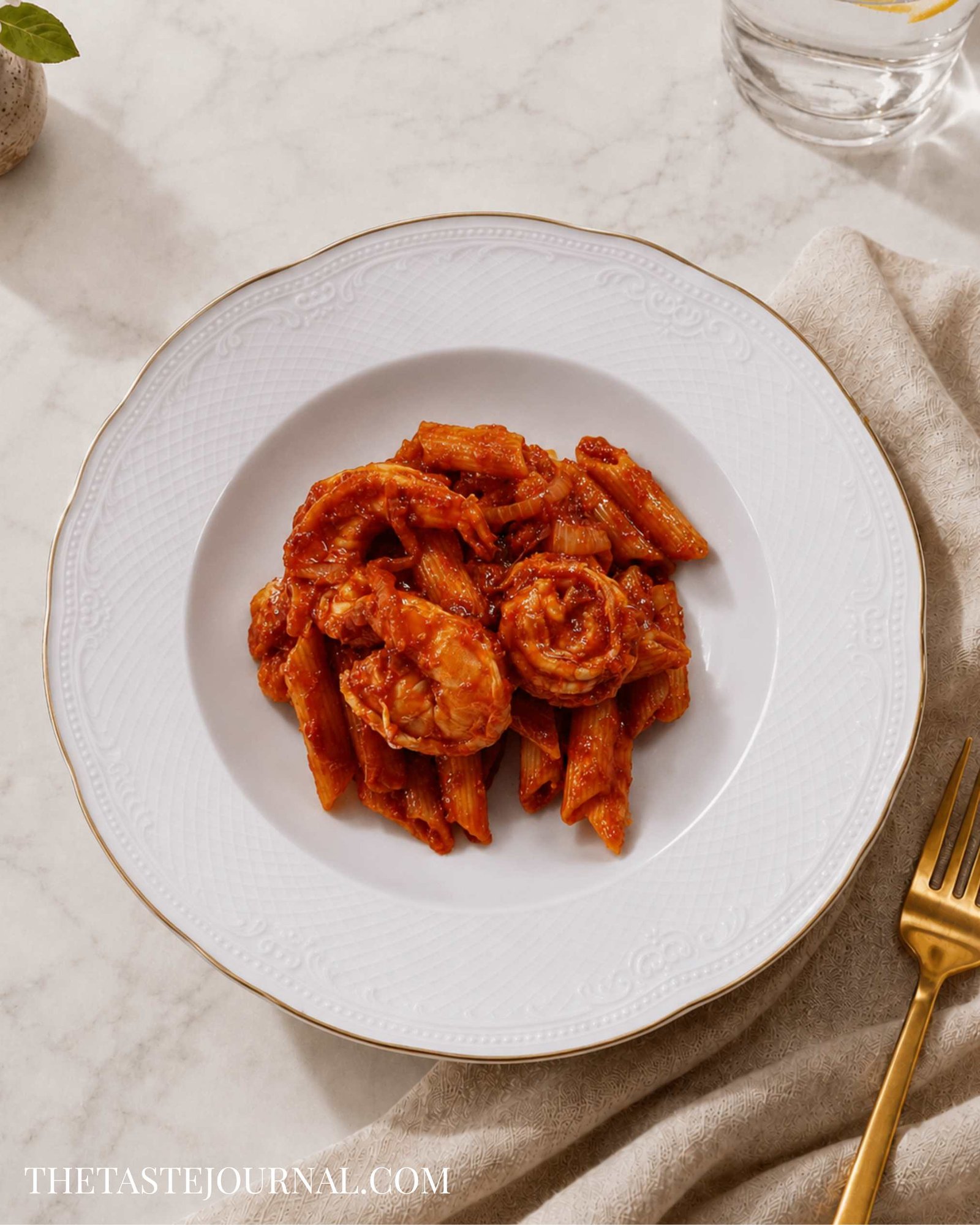
Gochujang pasta is a delicious creation from South Korea. The flavours of this dish are moderately spicy, with a rich and vibrantly red sauce made with gochujang paste.
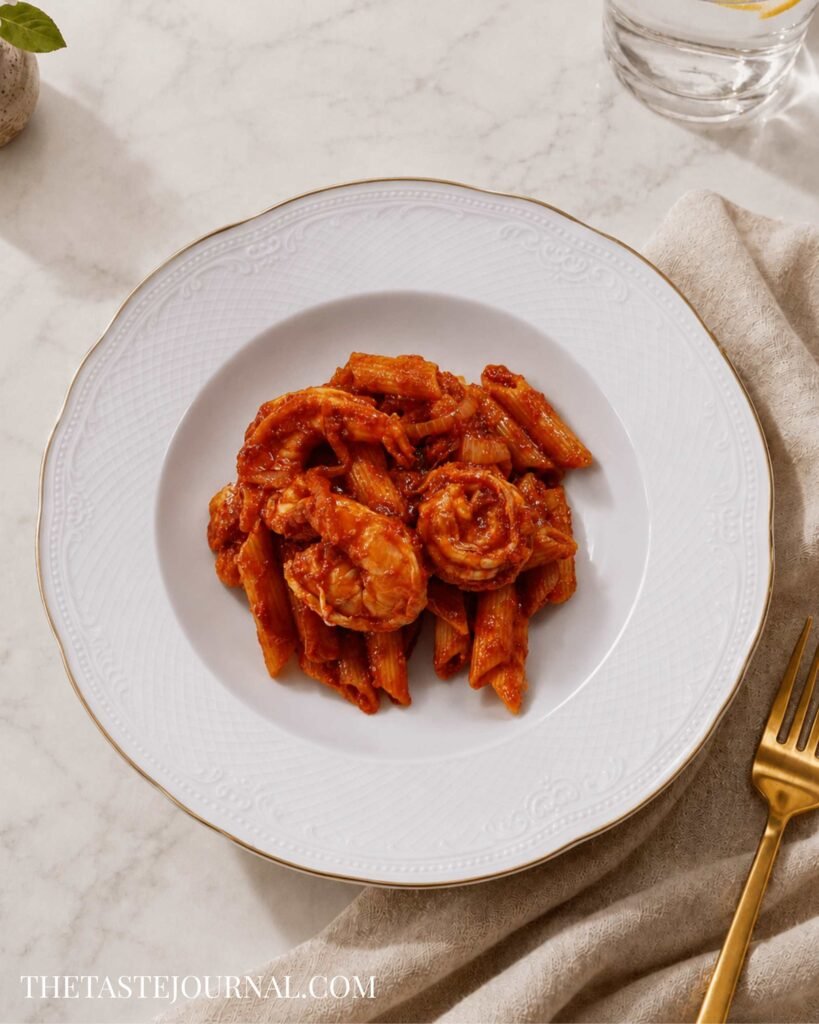
In recent years, numerous home cooks in South Korea have been experimenting with various applications of Gochujang, this resulted in the development of this remarkable recipe.
Ingredients
Shrimp, Onion, Garlic, Gochujang, Dark Soy sauce, Butter, Olive oil, Oyster sauce, Rice Vinegar, Sesame Seed oil, Tomato Paste and Salt.
Onions and garlic enhance its savoury taste, while gochujang, a mildly spicy fermented chili paste from Korea, plays a key role in adding a touch of heat and flavour. Dark soy sauce adds a slightly sweet taste, and oyster sauce contributes richness. Rice vinegar provides tanginess, you can substitute it with regular or apple cider vinegar. Finally, sesame oil lends a nutty flavor, and tomato paste creates a rich base.
Instructions
Slice the onion thinly, and finely dice the garlic cloves. Peel the shrimps and devein. Wash the shrimps thoroughly under water.
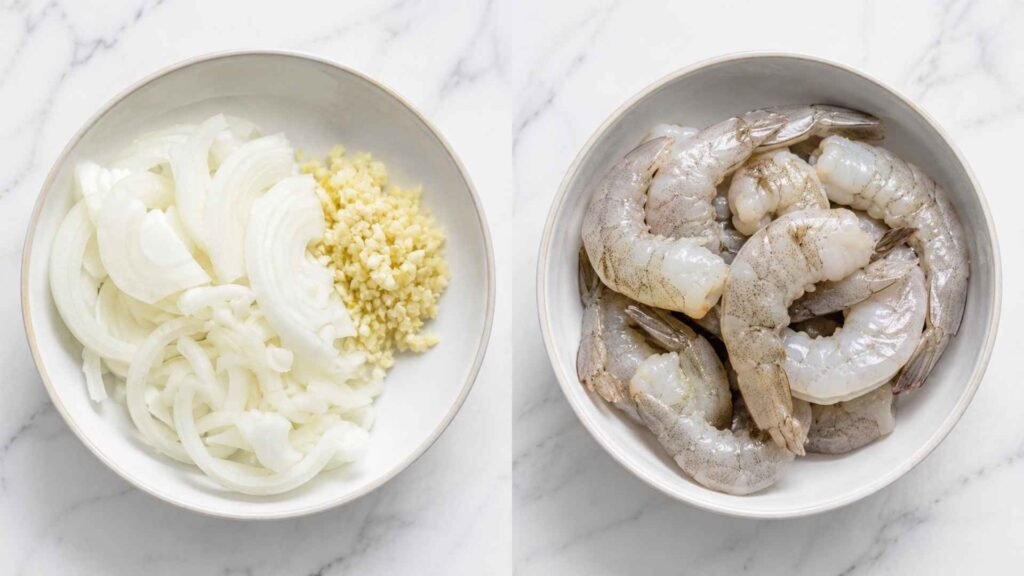
Heat the pot over medium-low and add olive oil and butter. Sauté the onions and garlic for 6-7 minutes until golden. Boil water for the pasta, then add salt and pasta after it boils. Cook for 8.5 minutes. Reserve 1/4 cup of pasta water, then drain the rest.
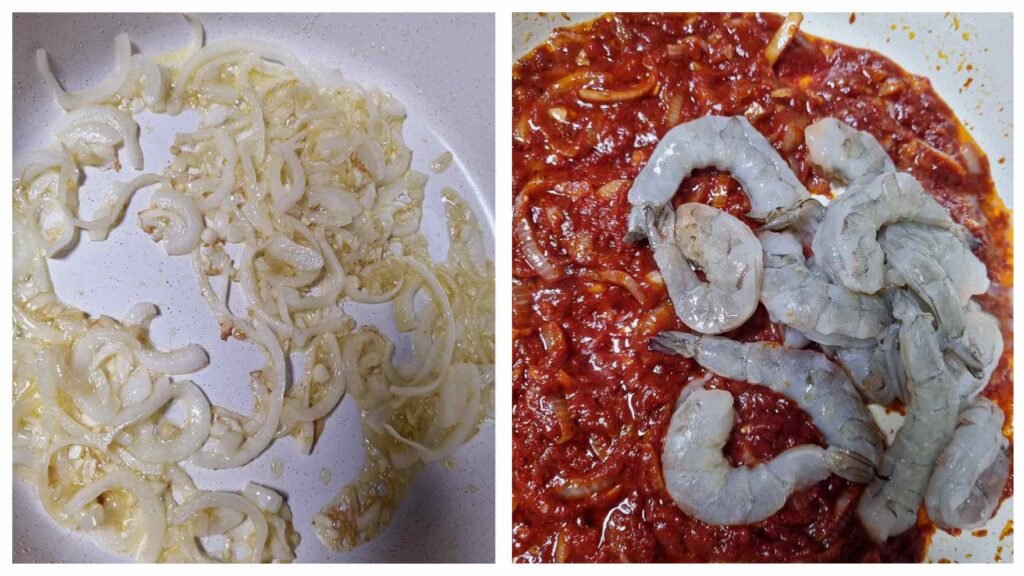
During this process, add the following ingredients, such as the tomato paste, gochujang, sesame seed oil, dark soy sauce, oyster sauce, and rice vinegar, to a bowl to create the gochujang sauce. Add the sauce to the pot and sauté for 2 minutes, until the gochujang is well incorporated into the onions and garlic.
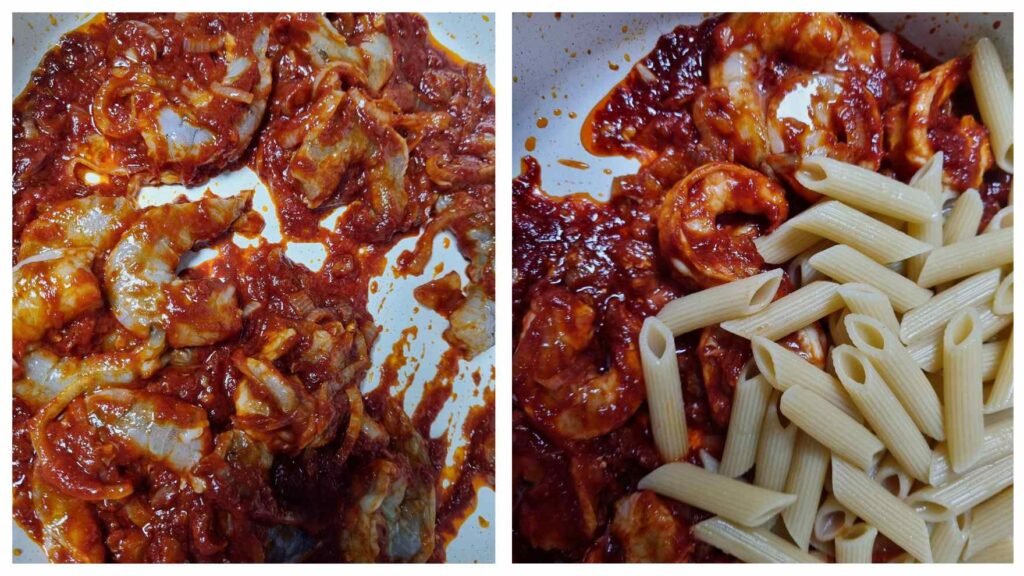
Add the shrimps to the pot and mix well. Cook the shrimps until they turn from translucent to white. This should take 2 to 4 minutes over medium-low heat. In the meantime, slice a small to medium-sized lime for the gochujang pasta.
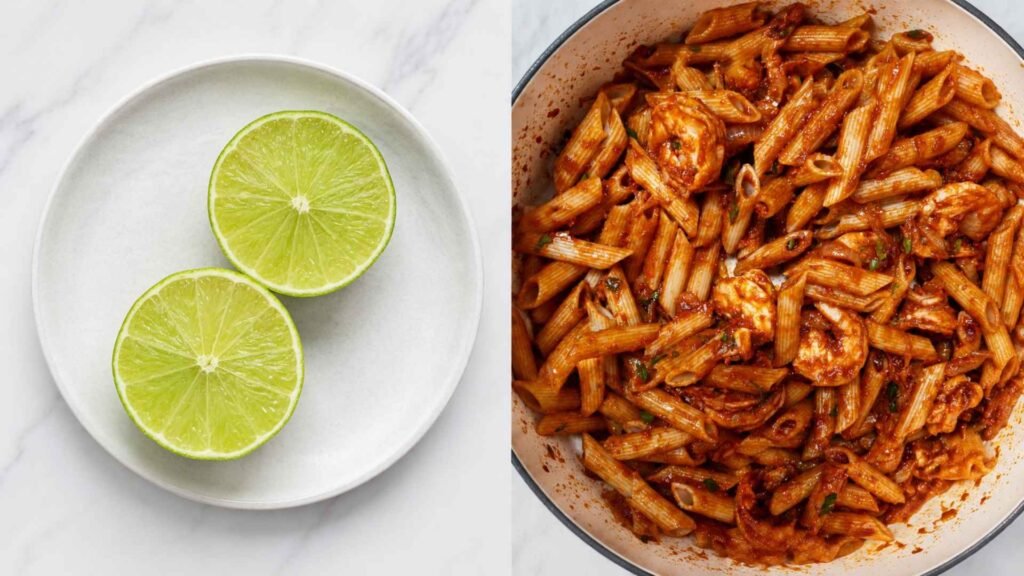
Add the pasta to the gochujang sauce and mix well. Squeeze fresh lime over the pasta and toss. Garnish with chopped parsley. The dish is ready to enjoy! Adjust the spice level with chili flakes or gochugaru, and check the salt.
How to Store and Reheat Gochujang Pasta?
Allow the gochujang pasta to cool, then store it in an airtight container in the fridge for up to 3 days or in the freezer for up to 2 months. Reheat on the stovetop or in the microwave, adding half a teaspoon of olive oil or one tablespoon of water to rehydrate the sauce.
What can you serve with Gochujang Pasta?
Gochujang pasta pairs well with amazing dishes like Greek Salad and a flavorful Caprese salad with creamy mozzarella balls.
Ingredients
- 400 grams Shrimp – Frozen, peeled and deveined
- 200 grams Penne Pasta
- 2 tbsp Butter
- 4 tbsp Olive oil
Vegetables
- 1 Onion – Medium-sized, Sliced
- 7 Garlic cloves – Finely minced
Spices
- 2 tsp Gochujang
- 1½ tbsp Oyster sauce
- 1 tsp Dark soy sauce
- 1 tsp Sesame seed oil
- 3 tsp Lime or Lemon juice
- 2 tbsp Tomato paste
- 3 tsp Rice vinegar – Or Apple Cider Vinegar.
Instructions
- Prepare the ingredients: Thinly slice the onion and finely dice the garlic. Peel and devein the shrimp; wash them thoroughly. In a pot, heat olive oil and butter over medium-low. Sauté the onions and garlic for 6-7 minutes until lightly golden.
- Make the Pasta: Boil water for pasta. Once boiling, add salt and pasta; cook for 8.5 minutes. Reserve 1/4 cup of pasta water, then drain.
- Make the sauce: In a bowl, combine tomato paste, gochujang, sesame oil, dark soy sauce, oyster sauce, and rice vinegar. Add to the pot and sauté for 2 minutes. Add shrimp to the pot and cook until opaque (2-4 minutes). Slice lime or lemon.
- Mix the ingredients: Add drained pasta to the sauce mixture and mix well. Squeeze lime over the pasta and garnish with chopped parsley.
Nutrition
Calories: 350kcal | Carbohydrates: 51g | Protein: 28g | Fat: 4g | Saturated Fat: 1g | Polyunsaturated Fat: 1g | Monounsaturated Fat: 2g | Trans Fat: 0.02g | Cholesterol: 161mg | Sodium: 551mg | Potassium: 538mg | Fiber: 3g | Sugar: 7g | Vitamin A: 159IU | Vitamin C: 6mg | Calcium: 116mg | Iron: 2mg
Did you make this recipe?Pin to Save this Recipe