Gochujang Mayonnaise
Gochujang mayonnaise combines creamy mayonnaise with Korean gochujang to create a sauce that is spicy, tangy, savory, and slightly sweet. This Korean spicy mayo is fantastic on burgers, sandwiches, and wraps, but that is only the beginning.
Use it as a dipping sauce for fries, fried chicken, shrimp, dumplings and spring rolls, or drizzle it over rice bowls and grilled vegetables.
Gochujang Mayonnaise is a fermented Korean chili paste with a deep flavor, its different to other hot sauces that mainly provide heat, gochujang also brings sweetness, saltiness, and fermented depth. When combined with mayonnaise, its intensity softens and becomes creamier while the chili flavor remains.
What Does Gochujang Mayonnaise Taste Like?
Think of regular mayonnaise with a richer personality. The mayonnaise provides a smooth, creamy base, while gochujang adds gentle chili heat, fermented umami and a subtle sweetness.
You may be curious about its flavor—this condiment mixes the subtle heat of gochujang with the creaminess of mayonnaise, creating an exceptional taste experience. This tangy and spicy sauce elevates sandwiches and burgers and makes a fantastic dipping sauce for French fries and spring rolls.
Ingredients
Grapeseed oil, an Egg, White Vinegar, Dijon mustard, Gochuchang and a Fresh Lemon.
Grapeseed oil has a light, neutral taste. One of its benefits is that it is rich in polyunsaturated fats and Vitamin E. If you don’t have grapeseed oil, you can use avocado oil or light olive oil. Canola oil and sunflower oil have an overpowering flavour, which means that if you choose those two oils, the mayonnaise will have a greasy, thick taste.
Dijon mustard has a sharp, tangy flavour that enhances dishes. It also acts as an emulsifying agent in dressings, helping balance the taste of other ingredients while increasing the depth of sauces and marinades.
White vinegar adds acidity to recipes and brightens flavours. You can also use Apple cider vinegar or rice wine vinegar (contains no alcohol) for this recipe. It also preserves ingredients and is often used in the pickling process.
Fresh lemon juice is another acidic component that adds a zesty flavour. If you prefer not to make mayonnaise from scratch, we have a recipe that uses store-bought mayonnaise combined with Gochujang. *See instructions below.
Gochujang is a spicy, umami-kick Korean chili paste. Its fermented flavour adds complexity to mayonnaise and is a healthy flavour enhancer. You can purchase Gochujang from Asian supermarkets, and it is also widely available online. If you can’t find Gochujang, you can substitute it with your favourite hot sauce and a thick tomato paste. Use a 1:1 ratio.
Instructions
Remove an egg from the fridge and let it reach room temperature. This step will take five minutes. Use a blender cup container or a large mason jar to make the mayonnaise. Add grapeseed oil, Dijon mustard, white vinegar, freshly squeezed lemon, and Gochujang to the blender cup. Crack the egg and add it to the container.
Make sure to use a sterilized or pasteurized egg. It is recommended that eggs be pasteurized before making mayonnaise. Heat a small pot on a stove to 140°F (60°C). A thermometer can provide an accurate reading.
Once the water has started to bubble, add the eggs and cook for 2 minutes. Thereafter, remove the eggs from the water and place them in cold water to stop the cooking process.

Place the hand-held immersion blender on the bottom of the container and blend for about five seconds. Then, work your way up while blending to ensure that all the ingredients are emulsified. It should take less than twenty seconds to completely blend the mayonnaise.
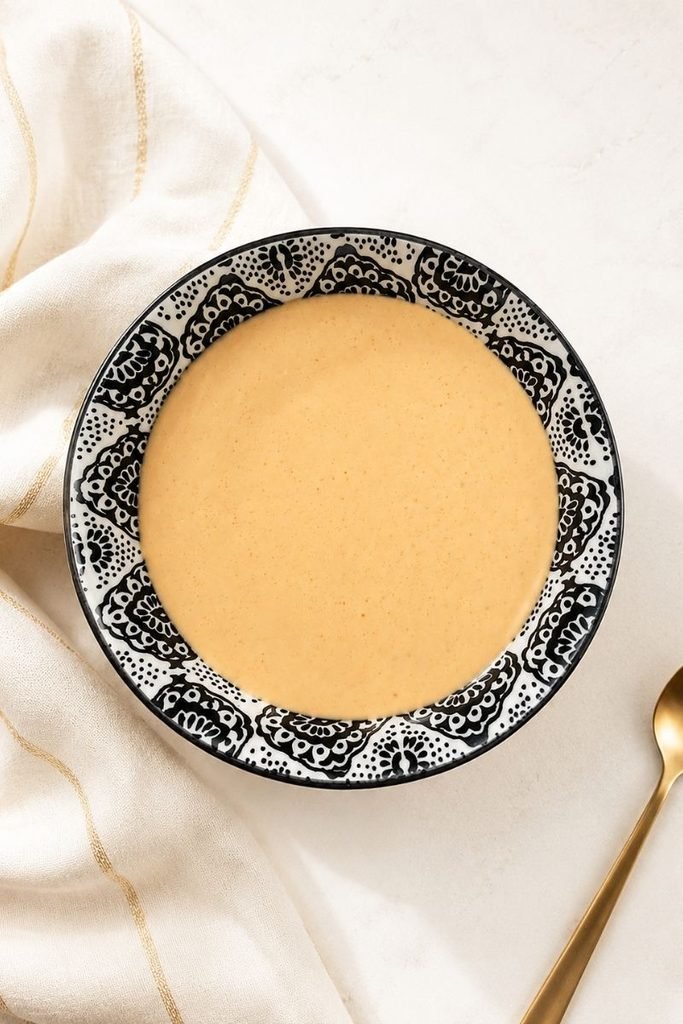
When it’s done, the gochujang mayonnaise will be a light pink colour due to the gochujang. Taste it with a clean spoon. Depending on the taste, you can adjust this recipe accordingly. Add more vinegar to enhance tanginess, lemon juice to mask the oil’s taste, mustard to add sharpness, and Gochujang to intensify the heat.
What to Serve with Gochujang Mayonnaise?
Gochujang mayonnaise is a fusion dish made from Korean fermented chili paste called gochujang and mayonnaise. The gochujang adds a slightly spicy touch to the mayonnaise’s smooth texture, making the main dish even more delicious and flavourful.
You can enjoy many things with gochujang mayonnaise. Fried or grilled foods, like French fries, sweet potato fries, fried chicken, grilled shrimp, and calamari, pair well with this spicy mayo. This amazing sauce can be added to cucumber sandwiches, bulgogi beef wraps, and beef or shrimp burgers. It can even be a dipping sauce for spring rolls, lettuce wraps, and fried dumplings.
How to store Gochujang Mayonnaise?
Let the Gochujang mayonnaise sit on the countertop for fifteen to twenty minutes after making it. The White vinegar, with the fermented Gochujang and Dijon mustard, has preservative qualities. Store the Mayonnaise in an airtight container and refrigerate after use.
How to Make Gochujang Mayo With Store-Bought Mayonnaise
You do not have to make mayonnaise from scratch. For a quick Gochujang mayo, simply combine your favorite mayonnaise with gochujang and a small amount of lemon juice or rice vinegar. A little sesame oil can also add a pleasant nutty aroma.
A good starting point for a dipping sauce is to use about four parts mayonnaise to one part gochujang. This method is particularly convenient when you need a quick dipping sauce, and many popular recipes utilize it because it can be prepared in just a few minutes.
How Spicy Should Gochujang Mayo Be?
The beauty of this sauce is that you control the heat. For a mild Gochujang mayo, use less gochujang and increase the mayonnaise. For a hotter version, gradually add more gochujang until you reach the desired level.
Easy Ways to Customize Gochujang Mayo
Once you have the basic recipe, it is easy to create different versions. Add finely grated garlic for a stronger savory flavor. Add toasted sesame oil for a nutty Korean-inspired aroma. A little honey can soften the chili heat and add sweetness.
For more acidity, use rice vinegar or lime juice. If you want more heat without making the sauce too thick, a small amount of gochugaru works well. You can even thin out the sauce to drizzle over grain bowls, grilled chicken, or roasted vegetables.
Is Homemade Mayonnaise Safe?
Because homemade mayonnaise contains raw eggs, food safety is important. USDA recommends using pasteurized eggs or pasteurized egg products when making homemade mayonnaise, because raw eggshells can carry Salmonella. Also, keep homemade mayonnaise refrigerated and use it within four days.
Commercially pasteurized eggs are the safer choice for homemade mayonnaise. For the simplest option, use commercially prepared mayonnaise instead to make the gochujang mayo. Always use a clean spoon to avoid contamination. Gochujang mayo made with a raw egg can be refrigerated for up to 1 week, and store-bought gochujang mayo can be refrigerated for 2 to 3 weeks.
Why You Will Love This Gochujang Mayo
Gochujang mayonnaise is creamy enough to mellow the chili while allowing the distinctive fermented flavor of gochujang to shine. It takes very little effort, pairs perfectly with everything from fries to burgers and rice bowls, and is easy to adjust to your preferred heat level. Once you have a jar of Korean spicy mayo in the refrigerator, you may find yourself looking for new things to dip into it.
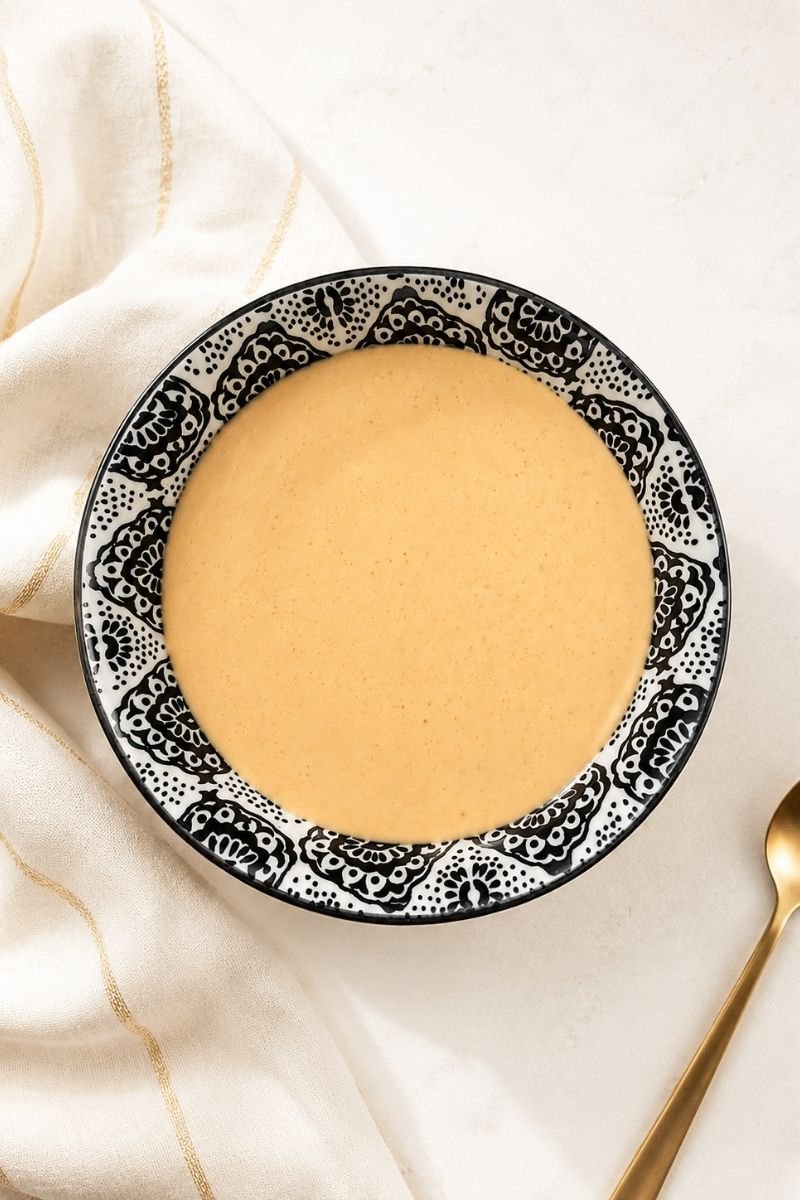
Gochujang mayonnaise is a creamy, spicy and slightly sweet sauce made with mayonnaise and Korean gochujang. It takes just minutes to make and is perfect for burgers, sandwiches, fries, sushi, rice bowls, tacos and dipping.
Ingredients
Made from Scratch
- ½ Tbsp Gochujang
- 1 Raw Egg – sterilized
- 1½ tsp Dijon Mustard
- 1 tsp White vinegar
- 200 ml Grapeseed oil
- 1 Lemon – Squeezed, three tablespoons of lemon juice
Just mix it together
- 1/4 cup Mayonnaise – Store bought
- 1/2 tsp Gochujang
Instructions
- Prepare the ingredients: Add the following ingredients to a blender container: Grape seed oil, Dijon mustard, white vinegar, fresh lemon juice, Gochujang, and sterilized raw egg.
- Emulsification: Place the hand-held blender at the bottom of the container and blend for about five seconds. Then, combine the mayonnaise while going upward. It should take no more than twenty seconds to mix the mayonnaise thoroughly.
- Taste test: Use a clean spoon to taste the mayo. Add more vinegar to enhance tanginess, more lemon juice to mask the oil's taste, more mustard to enhance sharpness, and more Gochujang to intensify the heat.
Nutrition
Calories: 338kcal | Carbohydrates: 1g | Protein: 0.2g | Fat: 38g | Saturated Fat: 4g | Polyunsaturated Fat: 26g | Monounsaturated Fat: 7g | Trans Fat: 0.02g | Cholesterol: 4mg | Sodium: 73mg | Potassium: 10mg | Fiber: 0.1g | Sugar: 0.3g | Vitamin A: 10IU | Vitamin C: 0.3mg | Calcium: 2mg | Iron: 0.1mg
Did you make this recipe?Pin to Save this Recipe