How to make Scrambled Eggs?
Scrambled eggs are one of the easiest and most convenient breakfasts in the world. All you need are a few basic ingredients. They can be prepared quickly and they are wonderfully complemented by toasted white bread spread with butter.
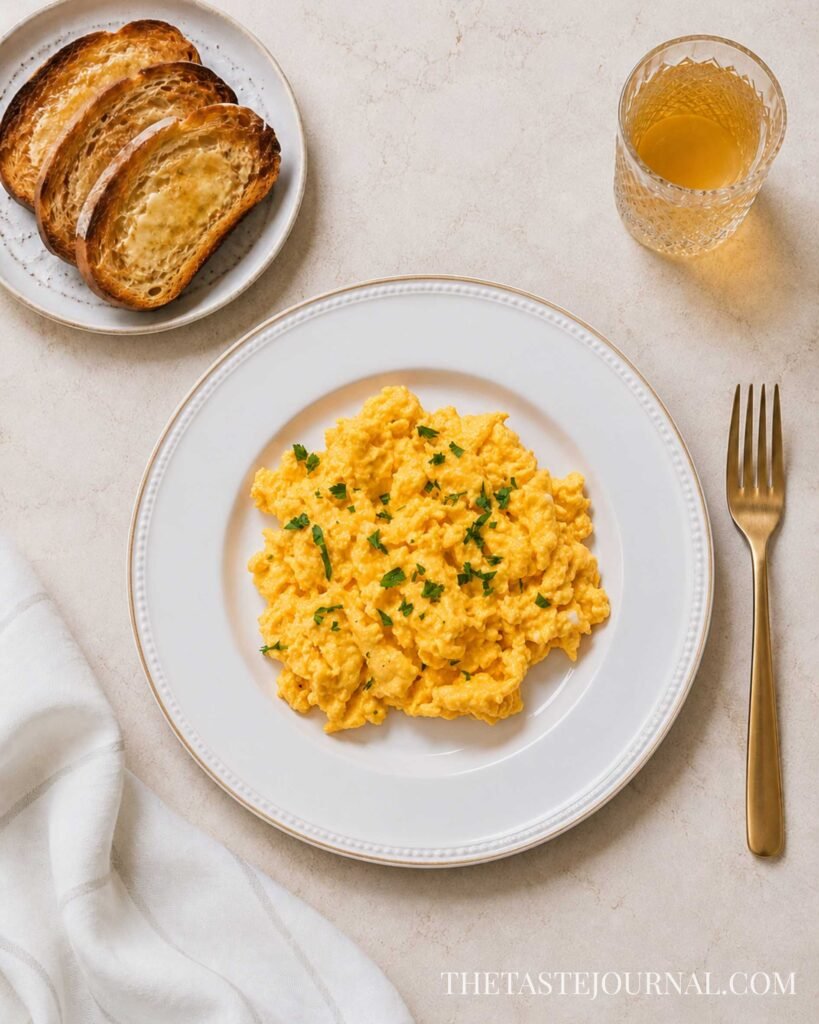
We’ve all encountered overcooked scrambled eggs; they tend to be dry, dull, and rubbery. You might wonder whether to use cooking oil or butter to cook scrambled eggs. What makes scrambled eggs perfect? They should not be overcooked and should be light and fluffy. The addition of butter provides the right fat ratio, resulting in incredible flavor.
There are three essential elements to creating perfectly cooked scrambled eggs: adding milk, whisking the eggs properly, and cooking at low temperatures. Using milk in scrambled eggs adds a creamy taste and helps loosen the protein’s density.
This ensures that when the eggs are whisked, they become aerated and emulsified at the same time. One of the key components of ensuring success when preparing scrambled eggs is to Cook the eggs at low temperatures, this helps to create a smooth, curd-like texture. Butter or cooking oil adds a layer of protection for the uncooked eggs. Using too little butter or oil can cause the eggs to cook faster than expected and potentially stick to the pan’s surface, even if it’s non-stick.
Ingredients
Eggs, Butter, Milk, Salt.
The best type of eggs to use are fresh, large eggs. Fresh eggs have a better flavor and result in a creamier texture. You can choose whether to use regular, organic, or free-range eggs based on your preference. Organic and free-range eggs often have richer yolks and may provide a slightly different taste due to the hens’ diet. Ultimately, the choice of eggs can impact the flavor and texture of your scrambled eggs, so it’s worth trying out different types to see what you like best! Butter and helps to add a creamy and delicious taste to the eggs. A minimal amount of salt is required. Scrambled eggs should be slightly under-salted.
Instruction
Remove the eggs from the fridge and set them aside for five to ten minutes. Allow it to come to room temperature. Once it has reached the right temperature, crack the eggs into a bowl. Add the milk and a light sprinkle of salt. Whisk for three minutes until tiny bubbles form on the surface.
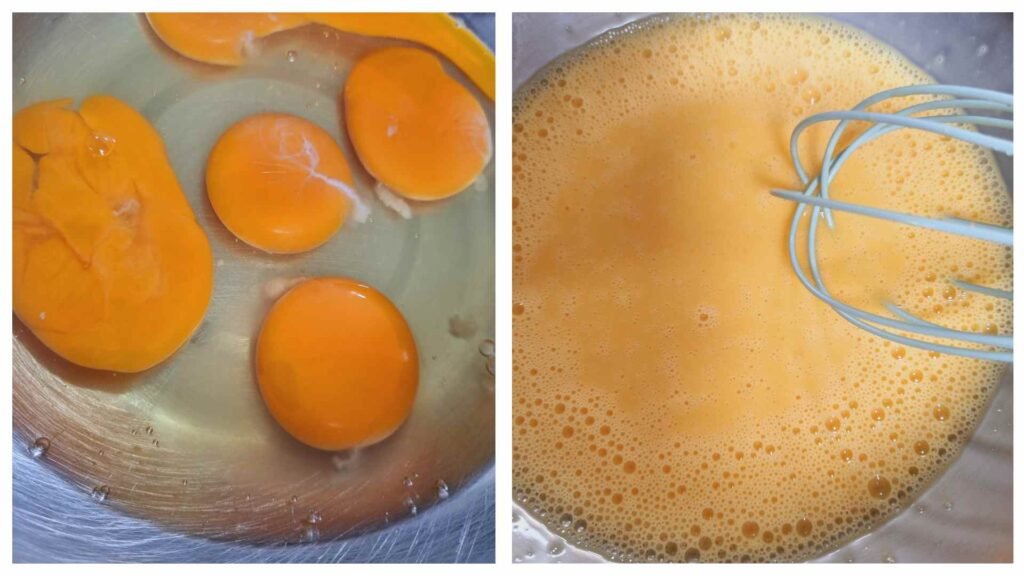
Switch the stove on, and set the temperature to medium-low. If you’re dealing with a stove that takes a long time to heat up, set the temperature to medium-high, then reduce it after the pan has heated up. Add a generous amount of butter or cooking oil to the pan. Add the eggs and use a spatula to handle the egg mixture easily. We highly recommend a silicon spatula for the best results. It will take approximately 1.5 to 2 minutes for the eggs to begin showing signs of cooking.
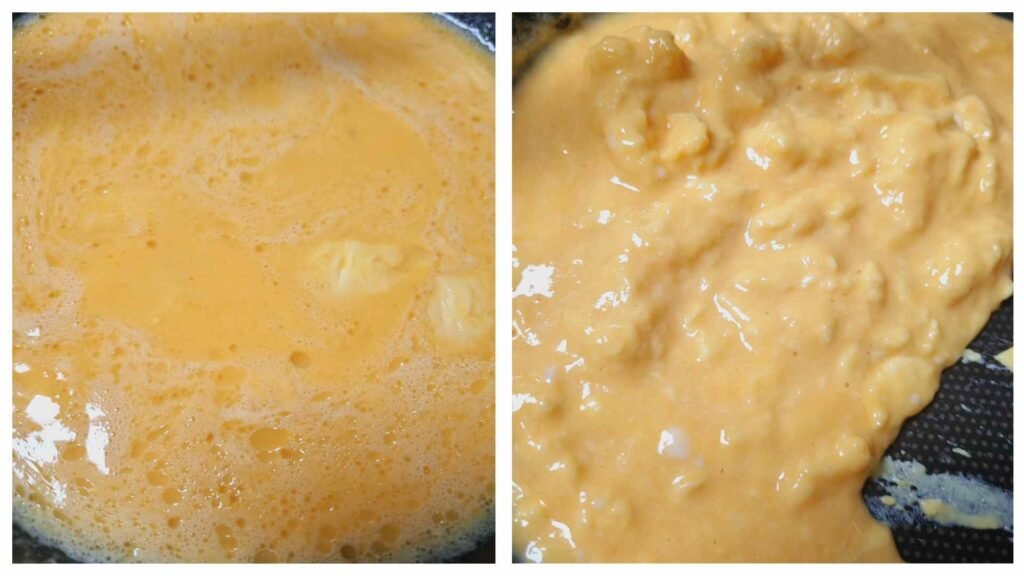
Start rounding up the eggs in a circular motion once you see these little pockets of curd forming on the surface. At this point, it is important to move the eggs around the pan quickly to ensure they don’t stick and to achieve success. You will notice that the eggs begin to form soft, aerated clumps. When it is slightly undercooked and appears wet, remove the pan from the heat and transfer to a cold plate.
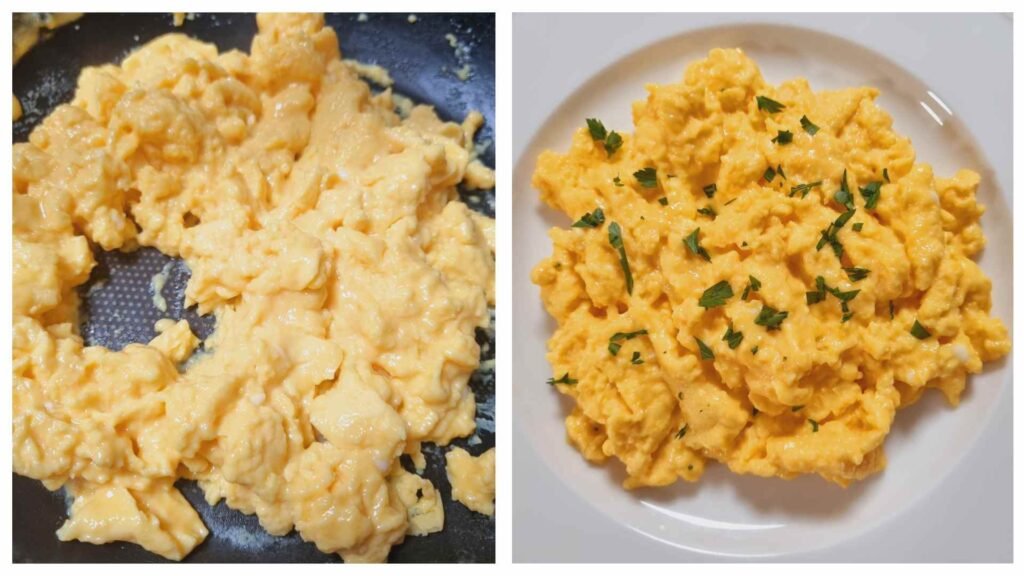
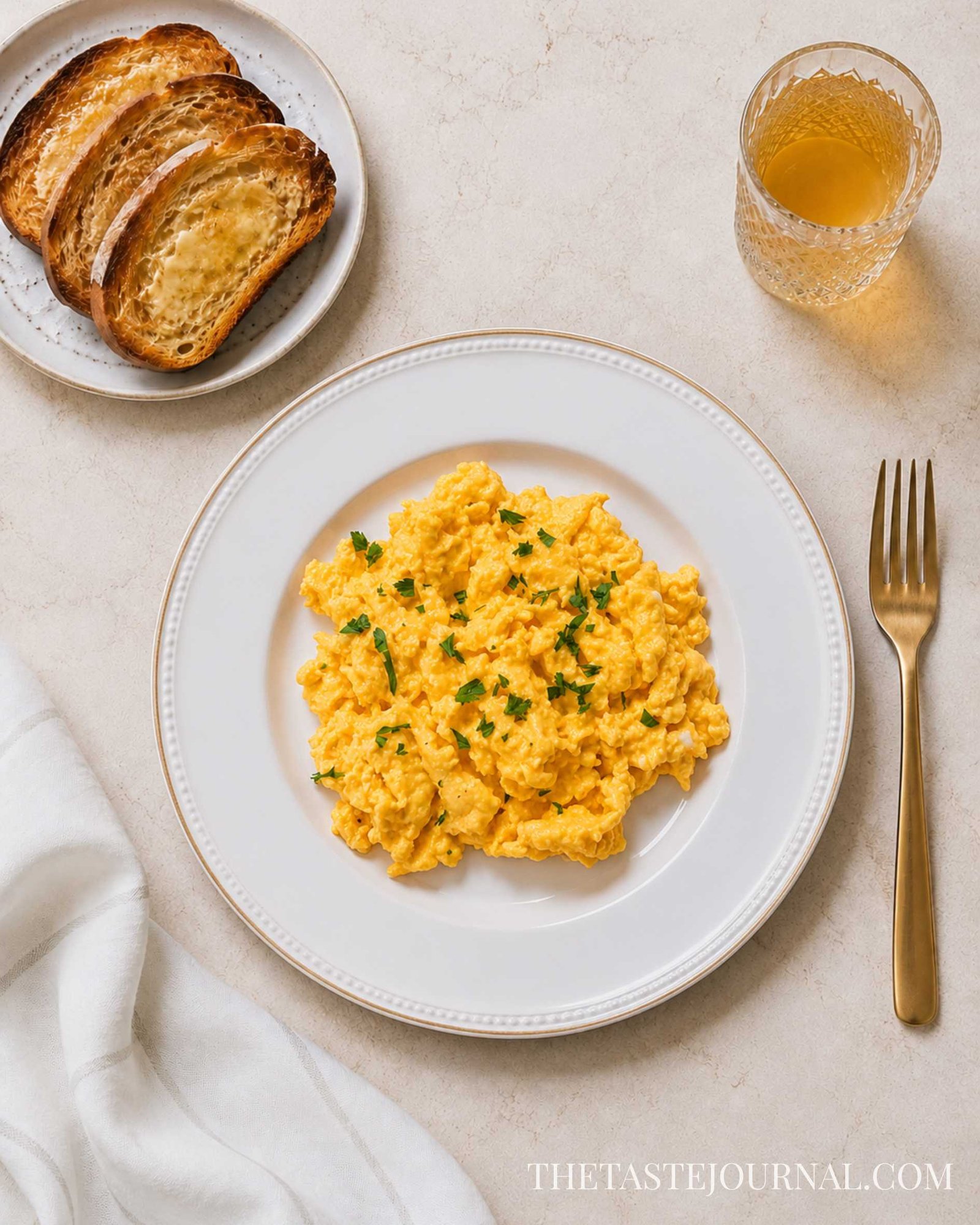
The eggs will use the remaining retained heat and steam to cook without drying out the mixture. That’s it! Your scrambled eggs are done. Garnish with parsley and enjoy with freshly buttered toast and ketchup.
How to Store Scrambled Eggs?
Store in a airtight container for a maximum of 24 to 48 hours. It is best to make the scrambled eggs fresh, however there are days when you will have really early morning, prepare them in advance and place in the fridge.
What to Serve with Scrambled Eggs?
There are so many side dishes that pair with this dish. You can use scrambled eggs in Asian fried rice with Korean Gochujang, veggies, and sesame seed oil. Consider Roasted Baby Tomatoes, Grilled Asparagus, or Garlic Bread for a more Western approach. Scrambled eggs are also delicious in a sandwich with butter and ketchup. And if you like that cheesy flavor, consider sprinkling some Parmesan cheese or Grana Padano.
Expert tips
Organic and free-range eggs are recommended. The eggs must be at room temperature. Whisk the eggs vigorously until air bubbles form. This will incorporate air, creating fluffy scrambled eggs. Use low heat and a slow-cooking method to ensure the eggs cook evenly; this will prevent them from becoming rubbery. Patience is key; eggs can take four minutes at medium-low temperatures to reach the right texture.
Use a non-stick skillet; it is ideal for scrambling eggs and helps prevent sticking. Fats such as butter or cooking oil are necessary because they add flavor and result in soft, curd-like textures. A rubber spatula helps stir the eggs. Folding the eggs softly can create a light texture. Remove the eggs from the stove when they are slightly undercooked.
Ingredients
- 4 Eggs – whisked
- ¼ Cup Milk
- Salt and pepper to taste
- 2 Tbsp Butter
Instructions
- Crack the Eggs and Add Milk: Crack the eggs into a bowl. Remove pieces of shells, if any. Add milk in the bowl and whisk the eggs. Make sure to whisk vigorously until the mixture becomes frothy. Add a pinch of salt and pepper in the bowl.
- Cook the Eggs: Preheat the pan on the lowest heat. Melt the butter on the pan. Move the butter around so that all the surface of the pan is covered with butter. Pour the egg mixture on the pan. Allow the egg mixture to sit on the pan until the edges start to set. Gently push the egg from the edge towards the center creating the soft curds. Continue to cook while stirring gently until the eggs are cooked, but still runny and soft. Remove the egg from the pan and serve immediately.
Nutrition
Calories: 83kcal | Carbohydrates: 15g | Protein: 2g | Fat: 2g | Saturated Fat: 1g | Polyunsaturated Fat: 0.1g | Monounsaturated Fat: 0.3g | Trans Fat: 0.04g | Cholesterol: 4mg | Sodium: 121mg | Potassium: 53mg | Fiber: 0.2g | Sugar: 9g | Vitamin A: 55IU | Vitamin C: 0.1mg | Calcium: 73mg | Iron: 0.3mg
Did you make this recipe?Pin to Save this Recipe