Chicken Curry
Chicken curry is a dish that transcends borders and is widely celebrated for its intense flavors. It originated in South Asia and has evolved into many different variations over time. In Northern India, it is common to use ghee with subtle spices, whilst South Indian curries are often developed along the coastal regions.
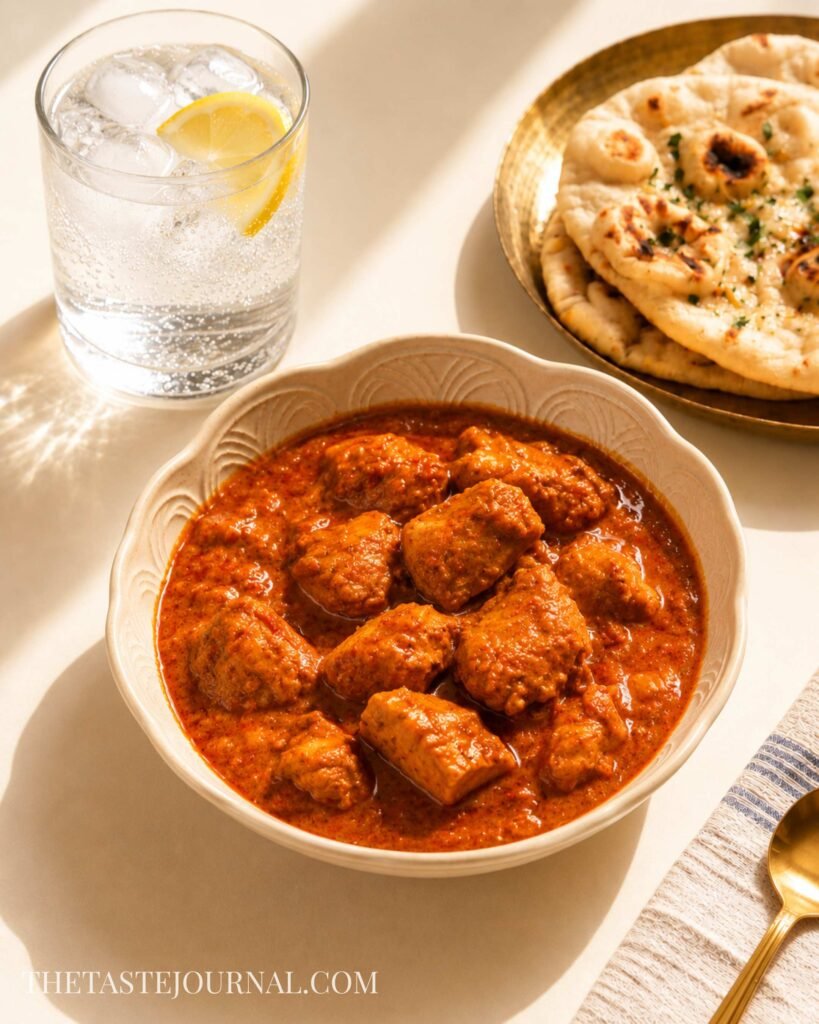
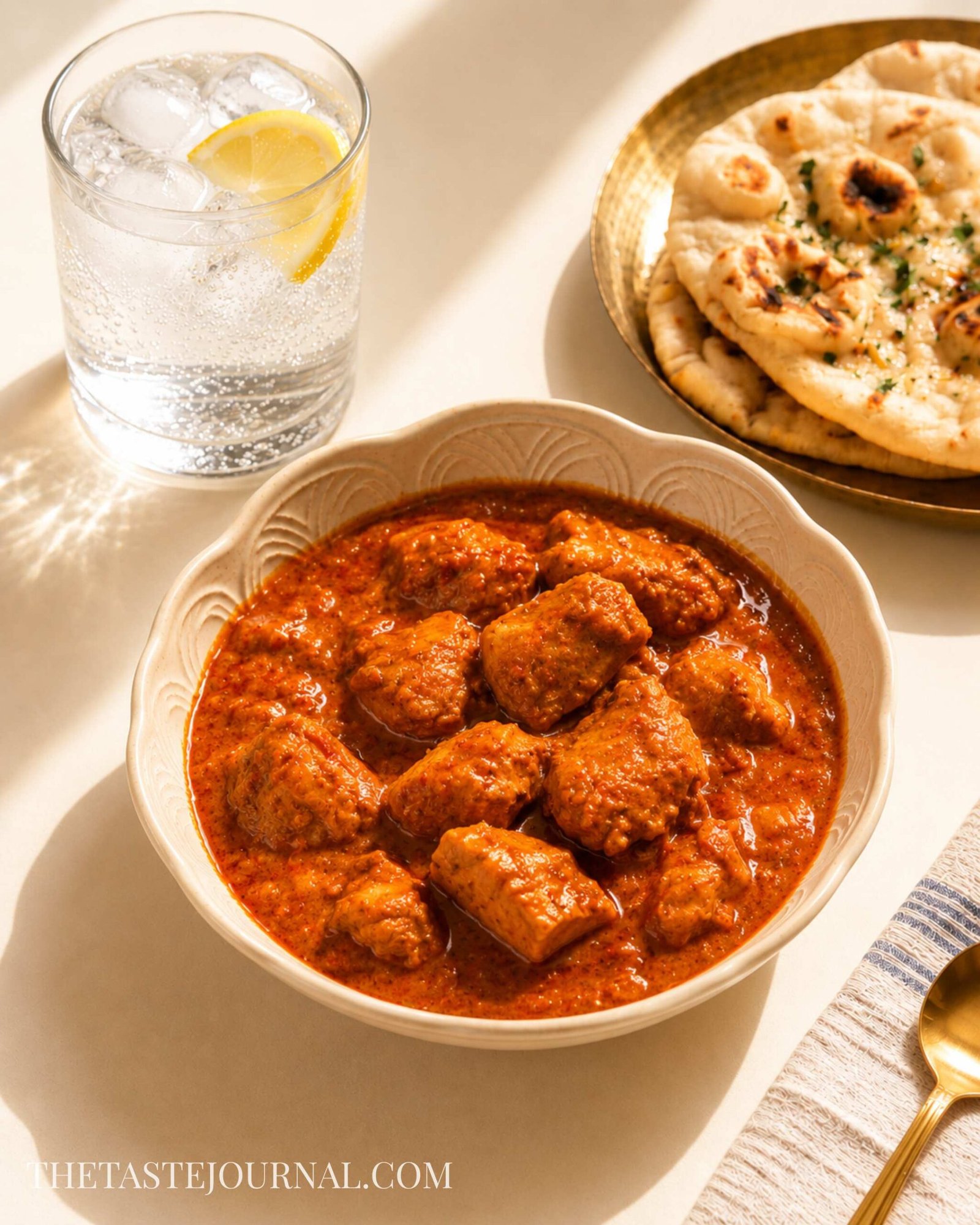
The Northern Indian versions often use ghee along with subtle spices, while South Indian chicken curries are known for their bold and spicy flavours, frequently incorporating tamarind and coconut milk. Today, we are making the South Indian Chicken Curry. The flavours of this Chicken curry are mild and will appeal to a wide group of people. The tomato-based gravy is perfectly flavoured.
Ingredients
Chicken Breasts, Onion, Garlic Cloves and Ginger, Kashmiri chili powder, Cinnamon, Turmeric, Cumin powder, Cumin seeds, Mustard seeds, Curry leaves, Ghee, Tomato sauce, Tomato paste, Coconut milk, Kokum.
Chicken breasts provide the perfect foundation for this dish; you can also use boneless chicken thighs or drumsticks. Onion, garlic and ginger add depth and flavour to the chicken curry. Kashmiri chili powder has a milder heat than regular chili powder. The warmth of cinnamon and nutmeg adds earthy tones. Cumin seeds, along with cumin powder amplifies the flavour of the dish. Mustard seeds have a bolder and pungent heat that works well in this recipe.
Tomato paste, along with tomato passata, creates a tomato-based gravy balanced with brown sugar and apple cider vinegar. Kokum is the wildcard in this recipe. Most South Indian curries use tamarind, which offers a tart flavour. Kokum is similar in nature. Coconut milk, along with kokum, adds a tangy taste to the chicken curry.
Instructions
Chop the onions and garlic into cubes. Set the stove to medium-low heat. Add oil to the pot, add the onions and garlic. Sauté until the onions and garlic have caramelized to a golden hue; this entire process should take about seven to eight minutes.
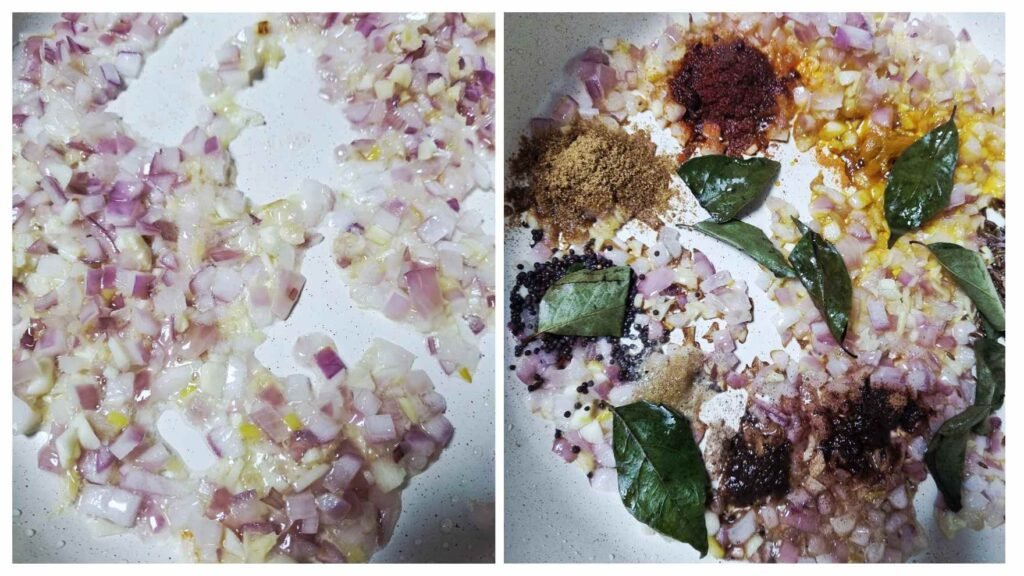
Thereafter, add the spices, kokum, and curry leaves, and mix well. Allow the spices to cook for one to two minutes to release their flavour. Add the tomato paste and cook with the onions for another 2 to 4 minutes.
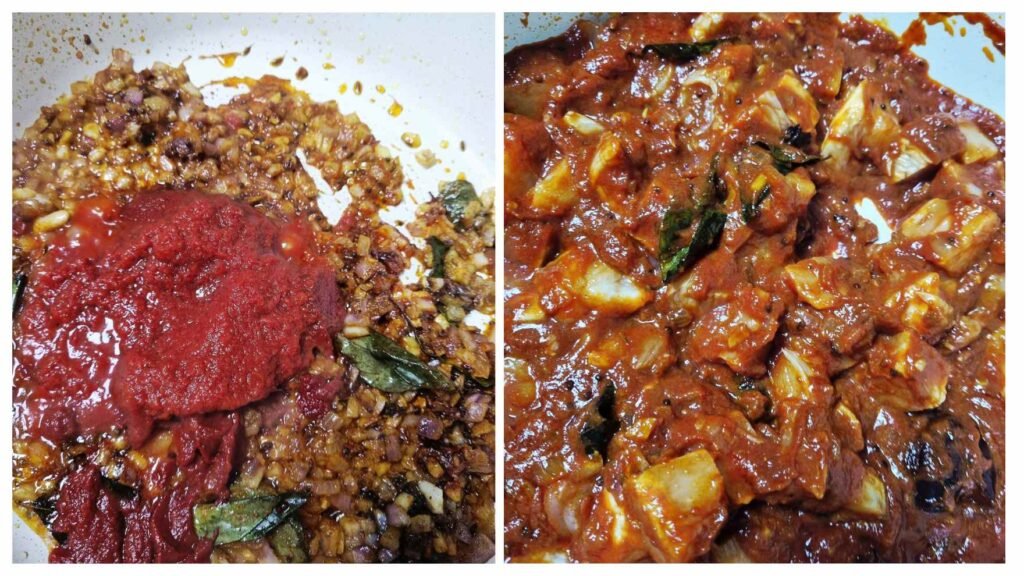
Add the tomato passata sauce and the coconut milk. Add the chicken cubes with water and simmer for 20 minutes. Garnish with chopped parsley and serve on rice or naan. The chicken curry is ready to enjoy with your family.
Expert tips
Caramelization of the onions and garlic will bring out the flavour of this dish. Tomato paste is a concentrated form of tomatoes; along with passata, it provides the perfect foundational base for chicken curry. You can also use three medium- to large-sized fresh tomatoes for this dish. When using tomato paste and tomato passata sauce, to balance the tomato flavours, use brown sugar and apple cider vinegar. If using fresh tomatoes, increase the amounts of brown sugar and apple cider vinegar by 1/2 teaspoon each. Taste and adjust accordingly.
What to Serve with Chicken Curry?
You can serve chicken curry with many different side dishes. Basmati rice is a classic choice in India, and it is also favoured around the world. Jasmine rice also pairs well with this dish. If you’re in the mood for bread, consider a soft and Fluffy naan bread which is ideal for scooping up the curry. Roti is widely eaten in India, most Indian supermarkets sell both roti and naan. Making roti at home is quite simple and requires just three ingredients: flour, water, and salt. Another popular side dish that pairs well with chicken curry is raita. This yogurt-based dish helps balance the spicy flavors of the curry.
How to Store Chicken Curry?
Store in the pot or in an airtight container. Place in the refrigerator for three to four days. If choosing to freeze, place in the freezer in a container and store for two to three months.
Ingredients
- 300 grams Chicken Breast
- 2 Onions – Cubed.
- 4 Garlic Cloves – Sliced.
- 10 grams Ginger – Or 1½ tsp of grated ginger.
- 100 grams Tomato paste
- 150 grams Tomato Passata sauce – Or three medium tomatoes.
Spices
- 1 1/2 tsp Kashmiri chili powder
- 1 tsp Cinnamon powder
- 1/2 tsp Turmeric powder
- 1 tsp Cumin powder
- 1 tsp Cumin seeds
- 1 tsp Black pepper powder
- 1 tsp Nutmeg powder
- ½ tsp Mustard seeds
Condiments and Others
- 3 tbsp Ghee – or Butter
- 200 ml Coconut milk
- 4-5 Kokum leaves.
- 1 tsp Brown Sugar
- 1 ½ tsp Apple Cider Vinegar
- 3-5 Curry leaves
Instructions
- Sauté: Heat oil in a pot; sauté onions and garlic until golden (5-7 minutes). Add spices, kokum, and curry leaves; cook for 1-2 minutes.
- Simmer: Stir in tomato paste; cook for an additional 2-4 minutes. Add tomato passata, coconut milk, and chicken cubes with water; simmer for 20 minutes.
- Serve: Garnish with chopped parsley and serve with rice or naan. Enjoy!
Nutrition
Calories: 330kcal | Carbohydrates: 17g | Protein: 16g | Fat: 24g | Saturated Fat: 17g | Polyunsaturated Fat: 1g | Monounsaturated Fat: 4g | Trans Fat: 0.01g | Cholesterol: 67mg | Sodium: 982mg | Potassium: 765mg | Fiber: 3g | Sugar: 7g | Vitamin A: 433IU | Vitamin C: 26mg | Calcium: 65mg | Iron: 4mg
Did you make this recipe?Pin to Save this Recipe