Okra Stew
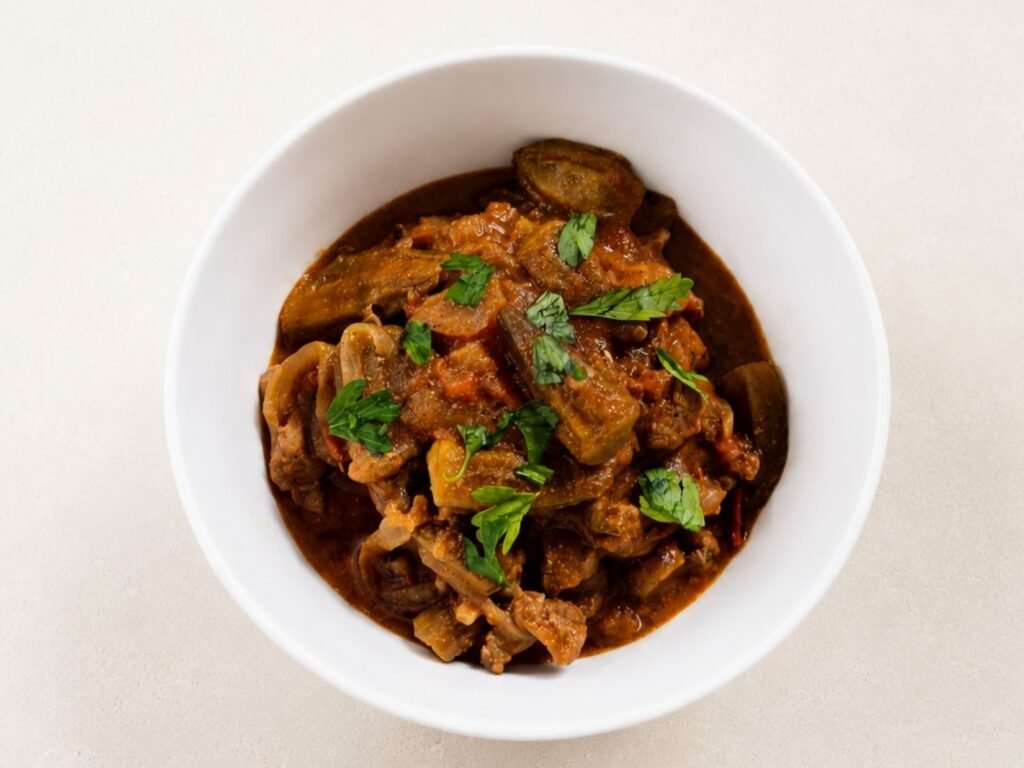
Okra Stew is a dish that is rich in flavour, it is made with beef, tomatoes and a combination of warm spices, simmered in a rich broth. It is cooked in homes across the Gulf, Levant, Persia and parts of North Africa.
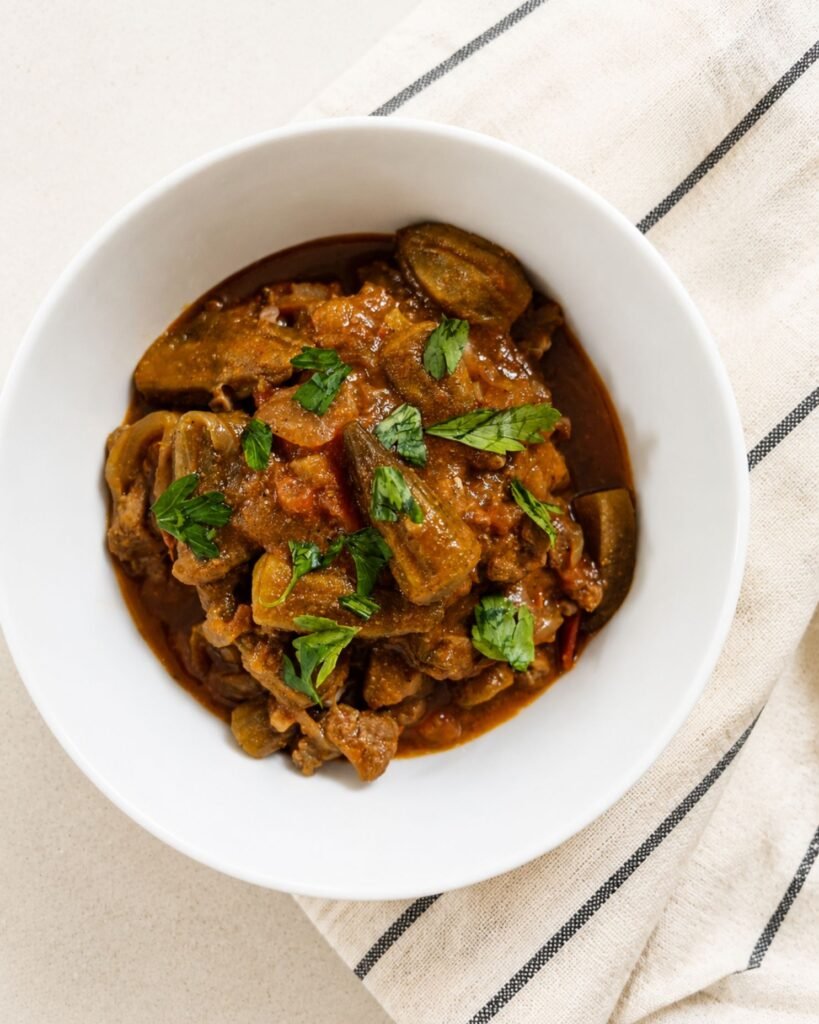
The word bamya is the Arabic, Turkish, and Persian name for Okra. Although each country prepares the stew a little differently, the foundations remain the same: meat slowly braised until tender, a tomato-based sauce fragrant with spices, and Okra added towards the end of cooking.
If you’ve never tried Okra stew before, you might find its flavour a little unusual at first. It has a mild, earthy taste and a unique texture that thickens sauces naturally. Botanically, Okra is actually a pod fruit, although it’s almost always treated as a vegetable in savoury cooking. While some people love it immediately, others discover that its flavour grows on them over time.
Some people are unaware that Okra has a long history and that it hails all the way from Abyssinia, which is present-day Ethiopia, it spread across Africa and the Medittaranean thousands of years ago. Traders took it with along their journey through the Middle East, where it became a key ingredient in many dishes.
Nowadays, you will find versions of it in Persia, Lebanon, Egypt and the Emirates. Made differently with each culture’s using their own variation of spices, each dish represents a unique perspective of different cooking traditions. Within the UAE, okra stew is considered as comfort food.
It’s often served family-style, accompanied by fragrant rice, warm bread, and fresh herbs. Like many stews, it’s the kind of meal that’s meant to be shared.
What does Okra stew taste like? Well, you’ll find the flavor unique and possibly a bit unusual at first; however, it tends to grow on you over time. In culinary terms, okra is classified as a pod fruit, although it is commonly referred to as a vegetable. Despite this classification, it has a distinct savory flavor.
Okra originated in Abyssinia, which is in present-day Ethiopia. Cultivated by ancient civilizations, it eventually spread across Africa and the Mediterranean. In the Middle East, including the UAE, Okra is used in various dishes.
The fruit’s versatility means it can adapt to different climates. In Emirati cuisine, this okra stew (bamya kudra) is a symbol of comfort food; it is often served with rice and enjoyed during communal dining.
Ingredients
Okra, Beef, Tomatoes, Onions, Garlic, Ginger, and a spice blend called Baharat.
Although bamya uses humble ingredients, each one contributes an important element to the final dish. Small okra pods are traditionally preferred because they remain tender while holding their shape during cooking. Fresh Okra is wonderful when it’s in season, but frozen Okra is equally popular throughout the Middle East and can often be found in the freezer aisle of local supermarkets.
This dish is typically made with some type of protein, favorite meats are beef or lamb, and tougher cuts of meat such as beef chuck, beef shank or lamb shoulder are considered ideal, when simmered over a period of time, it enriches the okra stew broth with a hearty flavour. Lean cuts may cook more quickly, but they often become dry and chewy in a long-cooked stew. However, you can use rib-eye steak.
Tomatoes provide brightness and acidity, while tomato paste deepens the flavour and gives the sauce its rich colour. Garlic, ginger, and onions add warmth and sweetness, and baharat, this is a traditional Middle Eastern spice blend, ties everything together with notes of cinnamon, cumin, coriander, black pepper, and paprika.
Many cooks also add black lime, known as loomi, which gives the stew its distinctive citrusy flavour. It’s a small ingredient, but it adds a depth that’s difficult to replace.
How to Prepare the Okra?
For people who are cooking Okra for the first time, the biggest concern is usually texture. One of the most common questions on Okra is, “How do you cook okra without it getting slimy?” Fortunately, a few simple techniques can make all the difference.
Wash the Okra and dry it completely. If you are using fresh pods, make sure to trim away the outer stem which is hard. One of the main things to avoid when cooking okra is cutting too deeply into the top of the pod, the seed chambers are located close to the stem, when the seed chambers are pierced, it releases the mucilage into the stew.
Fresh Okra is a seasonal vegetable that is available from late spring to early autumn in some parts of the Middle East. Fortunately, Frozen Okra is often sold in the supermarket. Frozen Okra has tiny crystals that will have formed on the inside of the Okra, when it melts during the cooking process, it releases more moisture into the dish. To avoid this, you can defrost the Okra, and cook it in a pan with a little bit of oil.
Or you can spread it on a baking tray and roast it in a hot oven for 20 minutes. This step will ensure that the stew does not become watery when it is cooked. Adding in vinegar or lemon juice before cooking ensures that the sliminess is reduced during the cooking process.
Instructions
Wash and cut the beef into cube-sized pieces, then place it in the fridge. Slice the onions and garlic. Wash the okra. If using the larger type, slice; if using the smaller okra, leave it as is, and set aside.
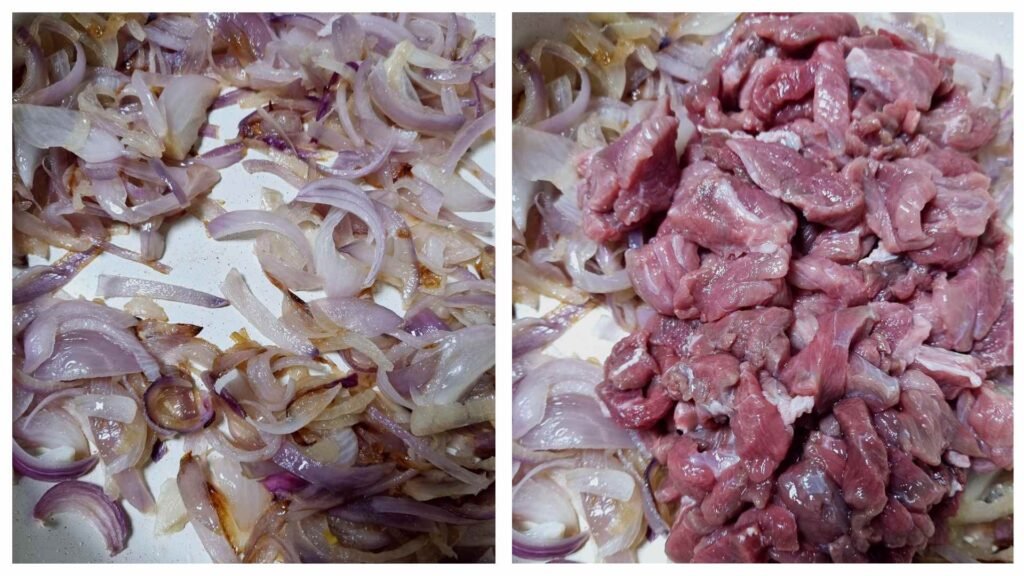
Add cooking oil to a pot, and set the temperature to medium-low. Start by sautéing the onions for 6 to 8 minutes, until golden brown. Add the garlic and ginger, and cook until fragrant.
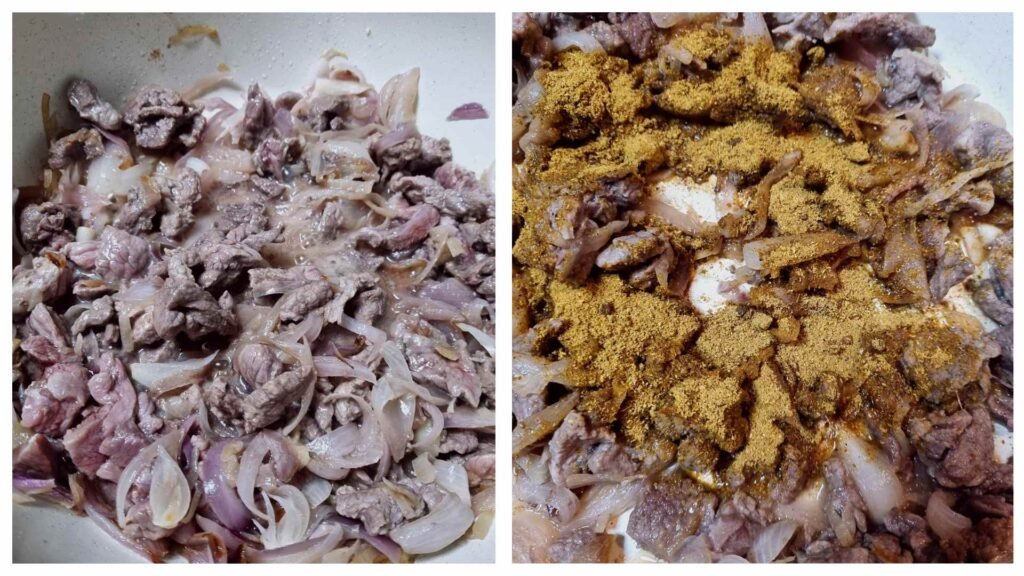
Add the meat and brown on all sides. Chop the tomatoes and add them to a pot; add the spices and tomato paste.
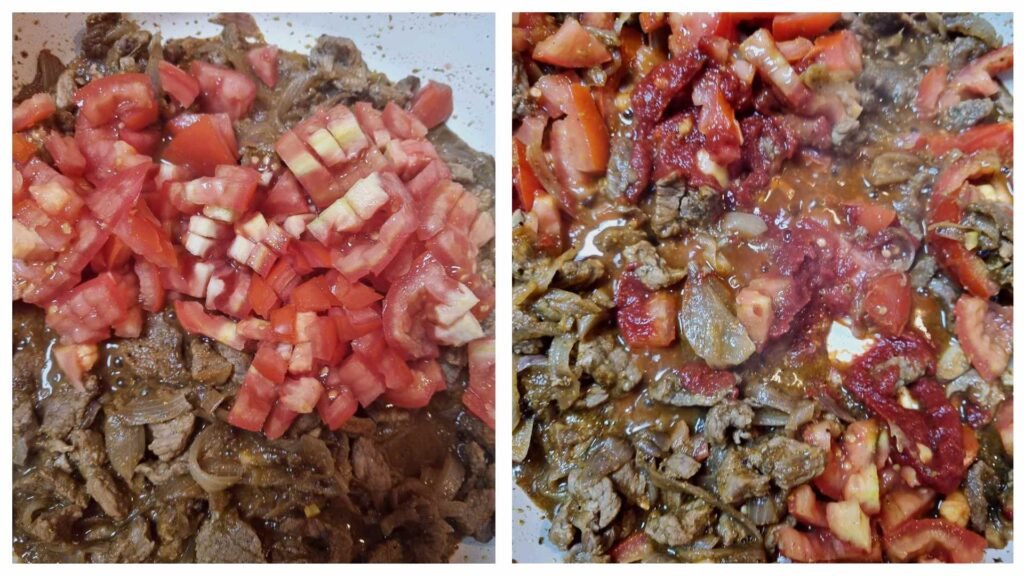
Stir to combine. Once the tomatoes have cooked down, add water along with a beef stock cube. As soon as the meat is tender, add the okra.
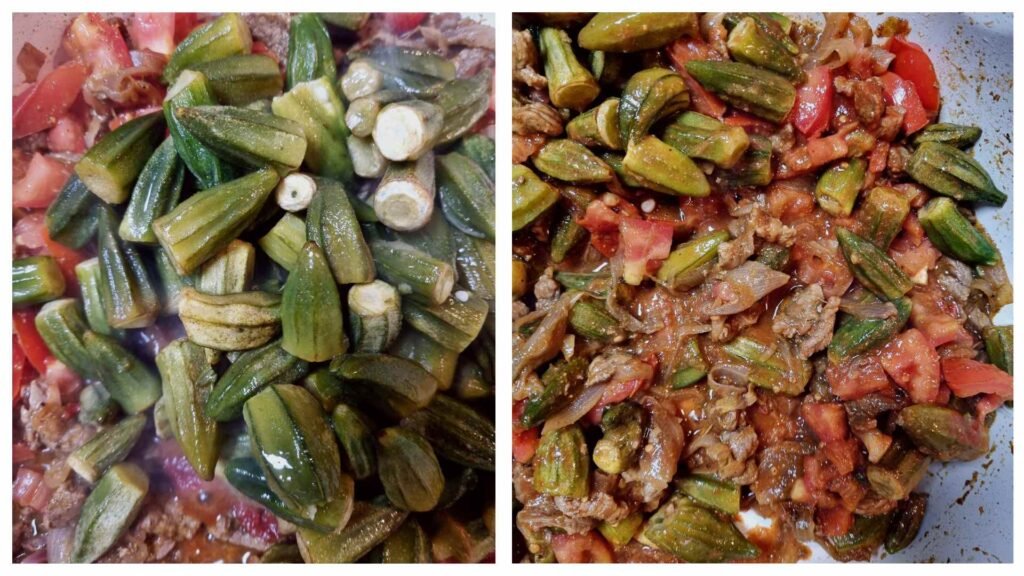
Adding the okra at the end of the cooking process ensures it remains tender whilst maintaining its initial shape.
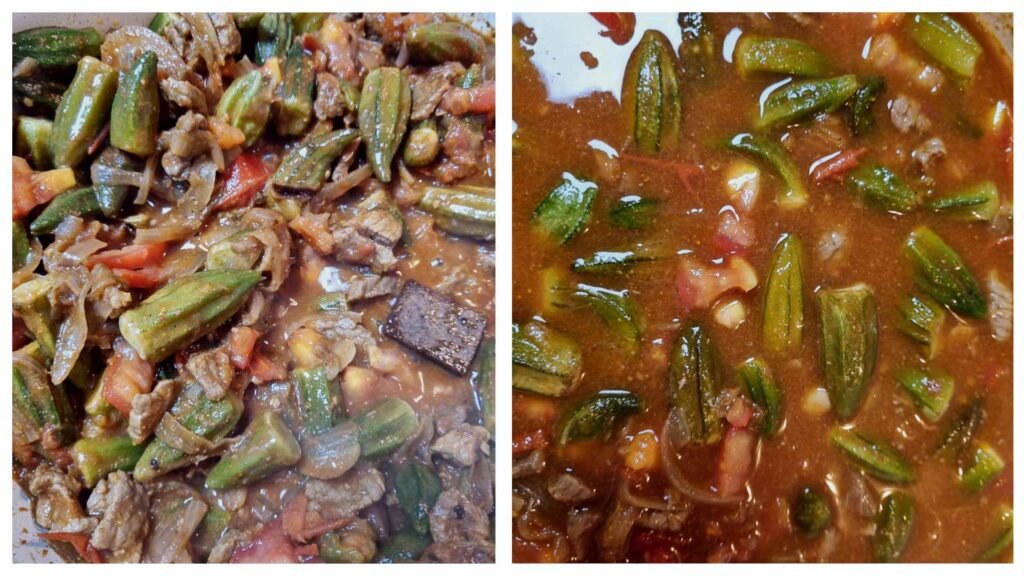
Overcooking will result in overly soft okra. Some households choose to cook okra in a hot pan to reduce its mucilaginous properties.
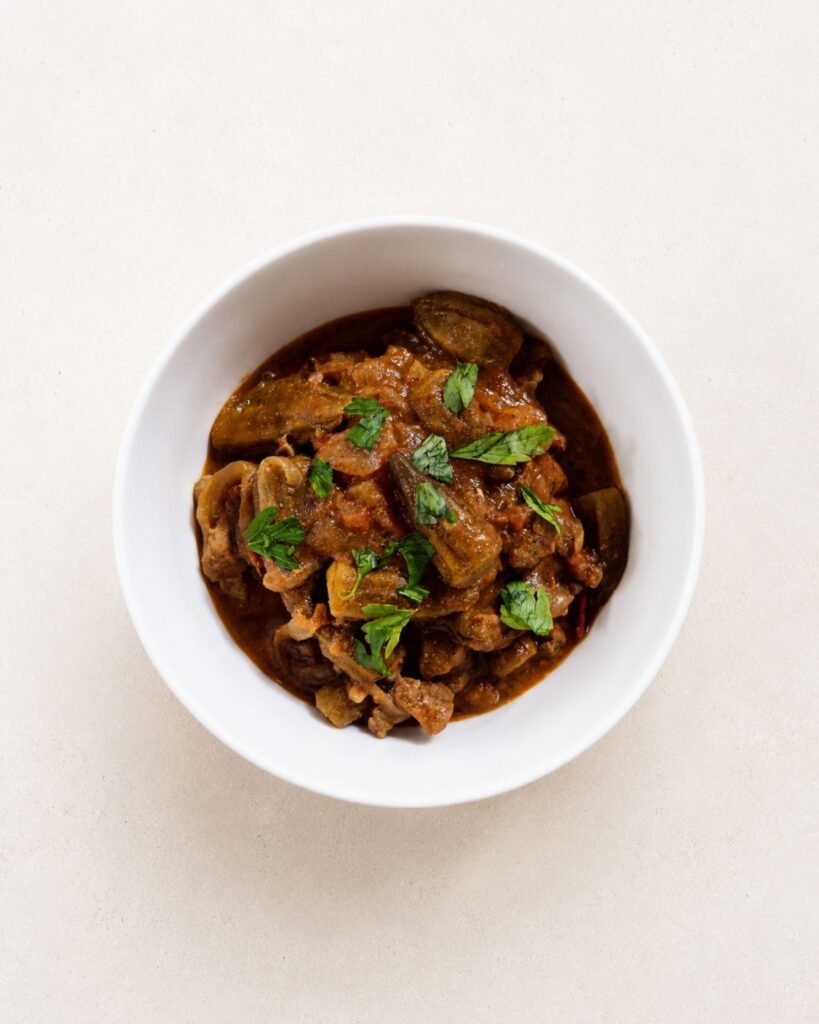
This step is optional; adding a tablespoon of vinegar to the okra and mixing it before cooking will neutralize the okra’s mucilaginous nature. The dish is ready to be served and enjoyed. Okra stew is a delightful way to experience the essence of Arabian cuisine. Garnish with chopped parsley.
What to Serve with Okra Stew?
Okra stew pairs well with many side dishes, such as Basmati or Jasmine rice. If preparing this meal for many guests, consider cooking Kabsa, a seasoned rice dish that pairs perfectly with the blend of spices. Flatbreads, such as pita, add a nice texture to the Okra stew. To include more greens in the meal, consider a refreshing salad with herbs, like tabbouleh.
How to Store Okra Stew?
Once the okra stew has cooled to room temperature, store it in the fridge for 3 to 4 days. If you want to keep the stew for a longer period of time, divide it into portions and place in the freezer, it will last for up to three months. Defrost on the countertop and reheat on the stove.
Variations and when to add different ingredients to the Okra stew?
The timing of acidic ingredients is another detail that’s often overlooked. Lemon juice, vinegar, and pomegranate molasses are wonderful additions to bamya, but they’re best added towards the end of cooking. A squeeze of lemon during the final five minutes brightens the stew and balances the richness of the tomatoes and meat.
For an even more traditional flavour, many Middle Eastern households finish the Okra stew with a fragrant garlic topping known as ta’aleya or tashleh. Garlic and ground coriander are briefly fried in olive oil or ghee and poured over the stew just before serving. Because the garlic isn’t simmered for hours, it keeps its aroma and adds an extra layer of flavour to the dish.
Fresh or Frozen: Which Is Better?
Both fresh and frozen Okra work beautifully in bamya, although each has its advantages. Fresh Okra tends to have a firmer texture and a slightly sweeter flavour, while frozen Okra is convenient and available all year round. In many Middle Eastern homes, frozen Okra is the preferred choice simply because it’s already cleaned and trimmed.
A Few Final Thoughts
Bamya is one of those dishes that becomes better with time. The flavours deepen overnight, making leftovers just as delicious. Once the stew has cooled, it can be stored in the refrigerator for three to four days or frozen for up to three months. Reheat it gently on the stovetop, adding a splash of water if the sauce has thickened too much.
Choosing the Best Cut of Beef for Bamya
The cut of beef you choose can completely change the texture of the Okra stew. While many recipes simply call for “beef cubes”, not all cuts behave the same way during a long simmer. For bamya, the best choices are cuts that contain a good amount of connective tissue and marbling. As the stew cooks, the collagen slowly breaks down, creating tender meat and a richer broth.
Beef chuck is one of the most popular options because it becomes wonderfully soft after a couple of hours on the stove while still holding its shape. Beef shank is another excellent choice, adding extra depth and body to the sauce thanks to its collagen-rich texture. Short ribs and lamb shoulder are equally delicious and are commonly used throughout the Middle East.
Leaner cuts, such as sirloin or rump steak, are generally less suitable for bamya. Although they cook quickly, they can become dry and chewy during the long cooking time needed to develop the flavours of the stew.
If you have a pressure cooker, simply cook the beef until it is tender, release the pressur and then add the okra with the simmer setting. The longer, gentler simmer allows the meat, tomatoes, and spices to come together into a rich and comforting stew.
Why Does Okra Become Slimy?
If you’ve ever cooked Okra before, you’ve probably noticed the silky texture that it releases as it cooks. This natural substance is called mucilage, and it’s found inside the seeds and the walls of the pod.
Mucilage isn’t a flaw—it’s simply part of what makes Okra unique. In some cuisines, particularly in West Africa and the southern United States, this thickening quality is celebrated because it gives soups and stews a velvety consistency.
In Middle Eastern Okra stew, however, the goal is usually to keep the okra tender while maintaining the shape of each pod. Fortunately, there are several ways to achieve this. The first step is to avoid cutting too deeply into the stem. Piercing the seed chamber allows the mucilage to escape into the stew, creating a thicker, stickier texture. Instead, trim only the tough outer cap while leaving the pod sealed.
If there is any remaining mucilage in the stew, remember that this is normal. It will help thicken the tomato broth, which is a key characteristic for its texture. The aim is to have a balance between the rich tomato-based sauce and the cooked Okra. Besides that, the mucilage is actually good for you; it aids in digestion and helps you stay fuller for longer.
Once you understand how Okra behaves, it becomes much less intimidating to cook with. With the right techniques, you’ll end up with a stew that’s hearty, comforting, and full of flavour rather than overly thick or slimy.
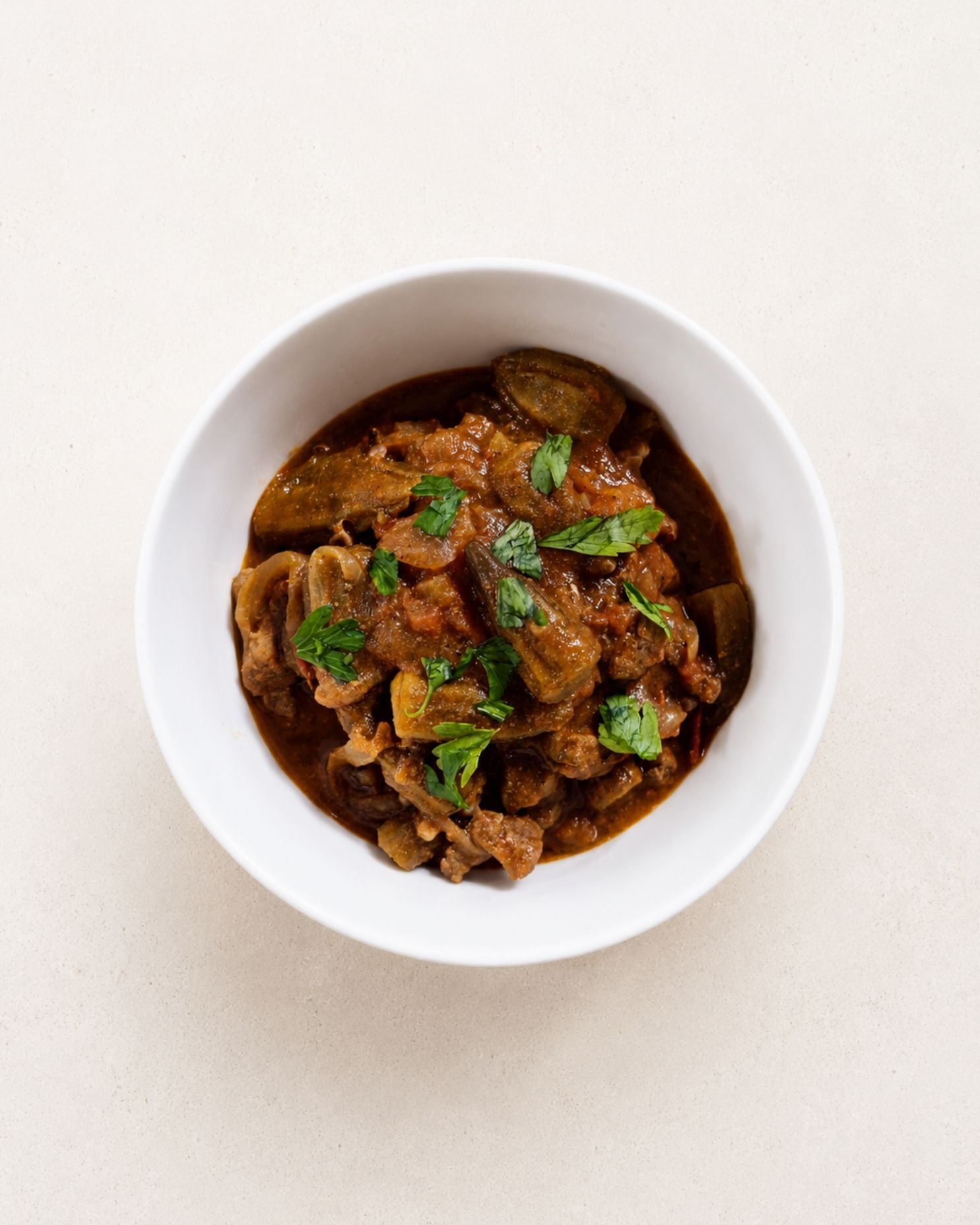
This flavorful okra stew combines tender okra, tomatoes, and warming spices to create a comforting Middle Eastern meal.
Ingredients
- 400 grams Okra
- 350 grams Beef
- 3 Tomatoes – Medium sized, cubed.
- 3 tbsp Tomato Paste
- 1 Onion
Spices
- 1 Beef Stock Cube
- 2 tbsp Baharat spice blend
Baharat Spice Blend [Once combined, only use 2 tbsp]
- 4 tbsp Black pepper powder
- 2 tbsp Coriander powder
- 4 tbsp Cumin powder
- 4 tbsp Paprika – Preferably smoked.
- 1 tbsp Cardamom powder
- 2 tsp Cinnamon
- 2 tsp Nutmeg
- 1 tsp Clove powder
Instructions
- Preparation: Cube the beef and refrigerate. Slice onions and garlic; wash okra (slice larger ones, leave smaller ones whole).
- Sautéing: Heat oil in a pot over medium-low. Sauté onions for 6-8 minutes until golden brown. Add garlic and ginger; cook until fragrant.
- Cooking the Meat: Add beef and brown on all sides. Chop tomatoes, then add them to the pot along with spices and tomato paste. Stir to combine.
- Simmering: Once the tomatoes cook down, add water and a beef stock cube. When the meat is tender, add okra. (Ensure okra is added at the end to maintain tenderness and shape.) Cook for ten minutes and it is ready to be served and enjoyed.
- Optional Step: To reduce okra's mucilaginous properties, cook it in a hot pan over high heat for 8 to 9 minutes, then add a tablespoon of vinegar. Add the okra to the pot and cook for five minutes.
Nutrition
Calories: 68kcal | Carbohydrates: 14g | Protein: 4g | Fat: 2g | Saturated Fat: 0.3g | Polyunsaturated Fat: 0.5g | Monounsaturated Fat: 1g | Trans Fat: 0.001g | Cholesterol: 0.02mg | Sodium: 184mg | Potassium: 506mg | Fiber: 5g | Sugar: 4g | Vitamin A: 2598IU | Vitamin C: 21mg | Calcium: 106mg | Iron: 4mg
Did you make this recipe?Pin to Save this Recipe