Balsamic Glaze
Balsamic glaze is a flavorful sauce made by reducing balsamic vinegar with brown sugar to achieve a thick, syrupy consistency.
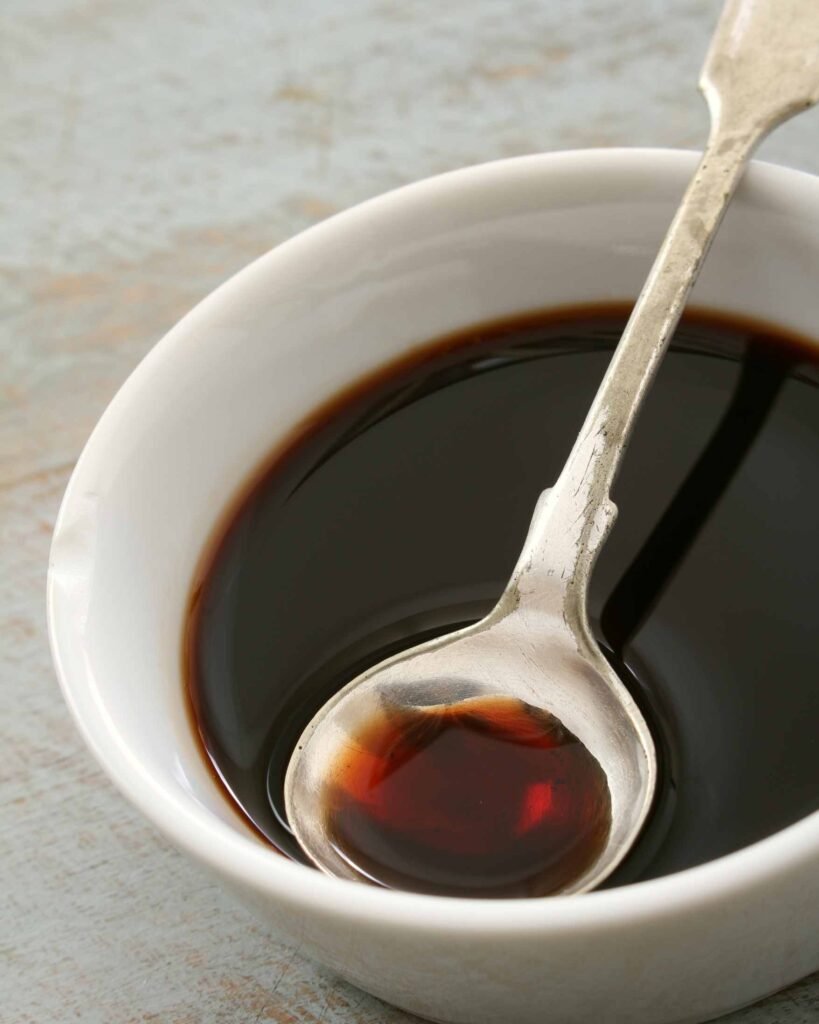
One of the best things about balsamic glaze is its versatility; it can be drizzled over salads, roasted meats, and grilled vegetables. Balsamic glaze pairs wonderfully with fresh fruits like strawberries and peaches. A great feature of this glaze is its glossy appearance, which enhances the presentation of any dish, making it a favorite among both chefs and home cooks.
Ingredients
Balsamic Vinegar, Brown Sugar.
Many restaurants add balsamic glaze to their lamb chops or other meat dishes. This gives the protein more depth and flavour. Choosing a good-quality balsamic vinegar will make a world of difference to the flavour of the balsamic glaze; the Italian varieties tend to be the best. Nowadays, balsamic vinegar is produced in many countries. Did you know that certain companies age their Balsamic vinegar for at least 12 years, with 25 years or more considered premium quality. It is worth noting that to make a good balsamic vinegar glaze, you don’t need a super expensive balsamic vinegar.
If you are wondering whether you should use brown sugar or honey, it depends on the type of honey you are using. There are different types of honey; some are less sweet than others, such as pine-cone or chestnut honey. Honey from wildflowers is multifloral and polyfloral, which basically means that the bees got the nectar from whatever was blooming at the time.
This type of honey tends to be sweeter than the speciality honey, meaning that wildflower honey has sufficient sugar content to offset the vinegary flavour of the balsamic reduction. We found that brown sugar gives the glaze a more caramelized flavour, whereas white sugar creates a sweeter reduction. If you have Muscavado on hand, that will produce a balsamic glaze with a very strong molasses taste. What is muscovado? It is a partially unrefined sugar that is darker in colour.
Instructions
To make the balsamic reduction, use a small pan on medium-low heat. Add four tablespoons of balsamic vinegar to the pan and one tablespoon of brown sugar or honey. Stir well. As the stove starts to heat up, the mixture will come to a gentle simmer. It is important for the glaze not to boil at a vigorous temperature, as it will burn easily.
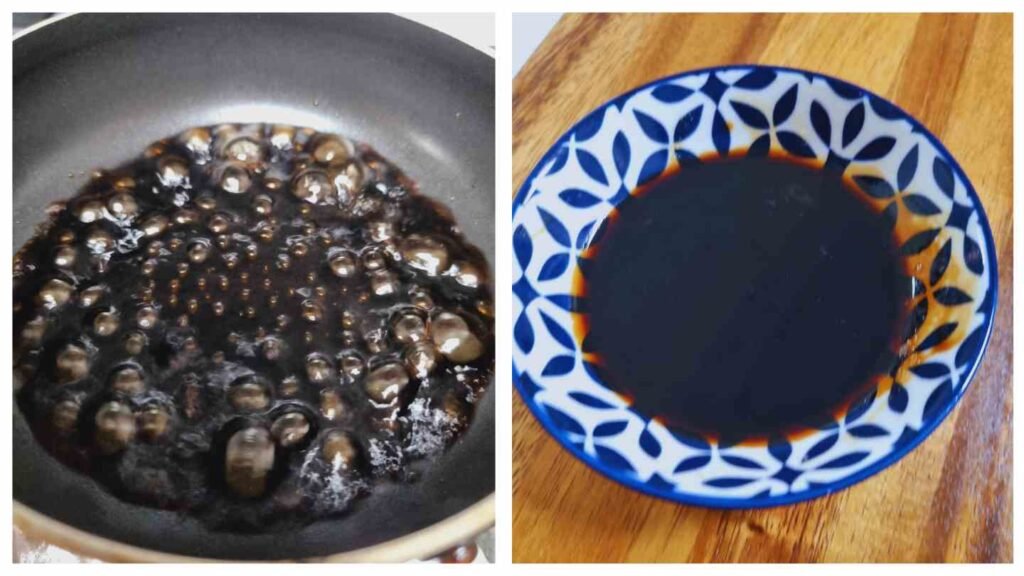
Stir the mixture occasionally. The liquid will gradually be reduced to half its volume and thicken into a syrupy glaze. It is ready when the sauce coats the back of a spoon without slipping off. Remove it from the heat, even if it is slightly ready. The sauce will continue to thicken as it cools. This recipe is perfect for a light drizzle over your dish, increase the quantity of balsamic vinegar per person in the ratio of one tablespoon. Adjust the brown sugar accordingly.
Different types of Balsamic Glaze
There are different types of balsamic reduction. Consider creating a garlic balsamic glaze for beef and fish. Simply add garlic powder or half a minced garlic clove to the mixture during cooking. Strain out the garlic bits for a smooth sauce.
You can also create a herb-based balsamic glaze using thyme and basil. This combination is suited for Mediterranean dishes. Make a spicy balsamic glaze using red pepper flakes or a dash of hot sauce to add more heat to your main meal. This combination would be incredible for a pizza or seafood dish.
How to Serve Balsamic Glaze?
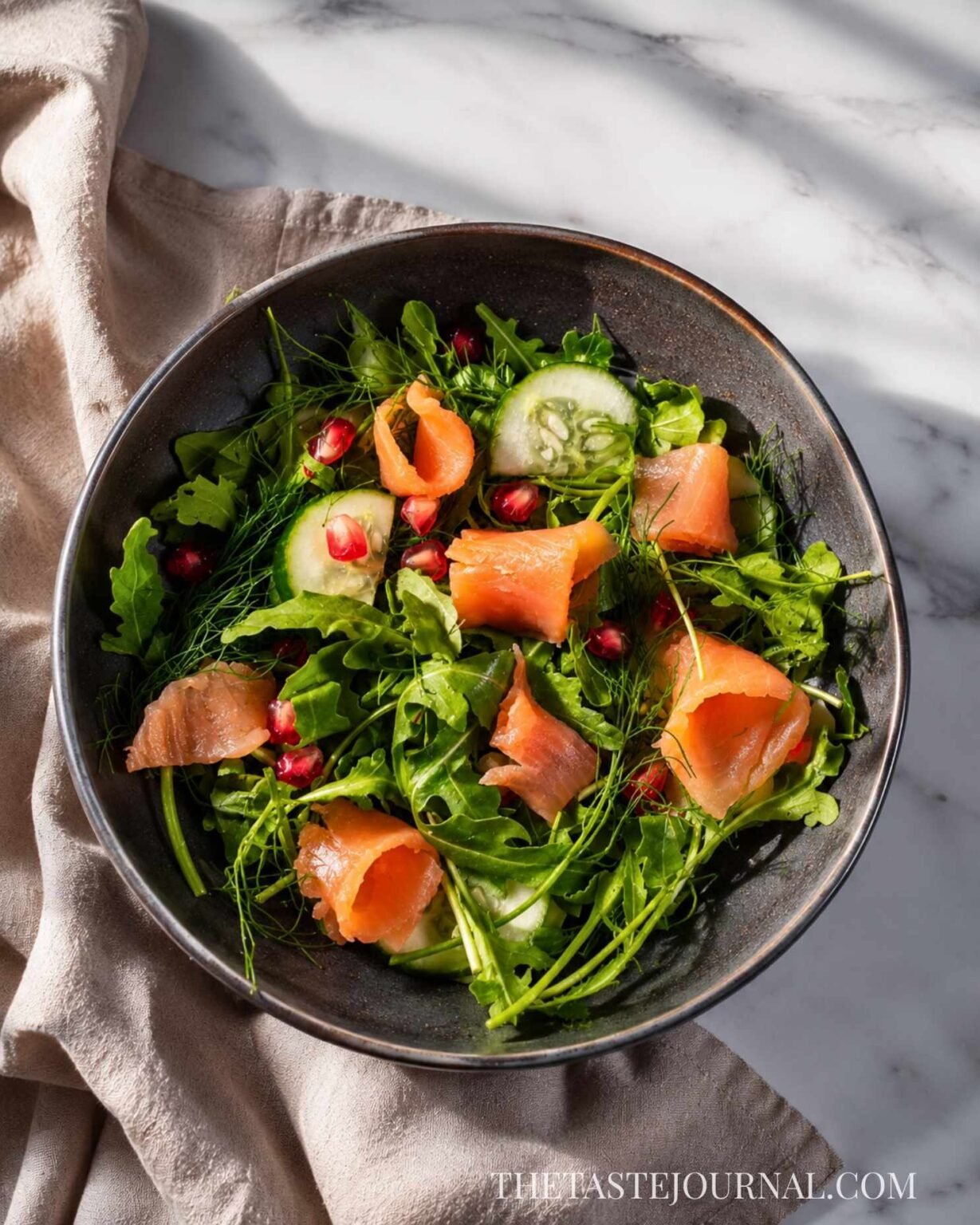
Drizzle on salads, use it as a dressing for Caprese salad, or use it as a condiment for other salads. This dressing will add a sweet and tangy flavour to many different types of salads. Balsamic glaze can be drizzled on grilled vegetables like zucchini, bell peppers, and asparagus. Roasted meats are also delicious with a drizzle of the balsamic glaze. Consider pairing it with goat cheese or aged cheddar cheese.
How to Store the Balsamic Glaze?
Store the balsamic glaze in a cool, dark place, away from sunlight and heat. Use an airtight container. This will prevent any exposure to air. Balsamic glaze will last longer in the fridge. Use clean utensils to prevent cross-contaminants. You can also freeze the balsamic glaze for up to three months.
Ingredients
- 4 tbsp Balsamic Vinegar
- 1 tbsp Brown Sugar
Instructions
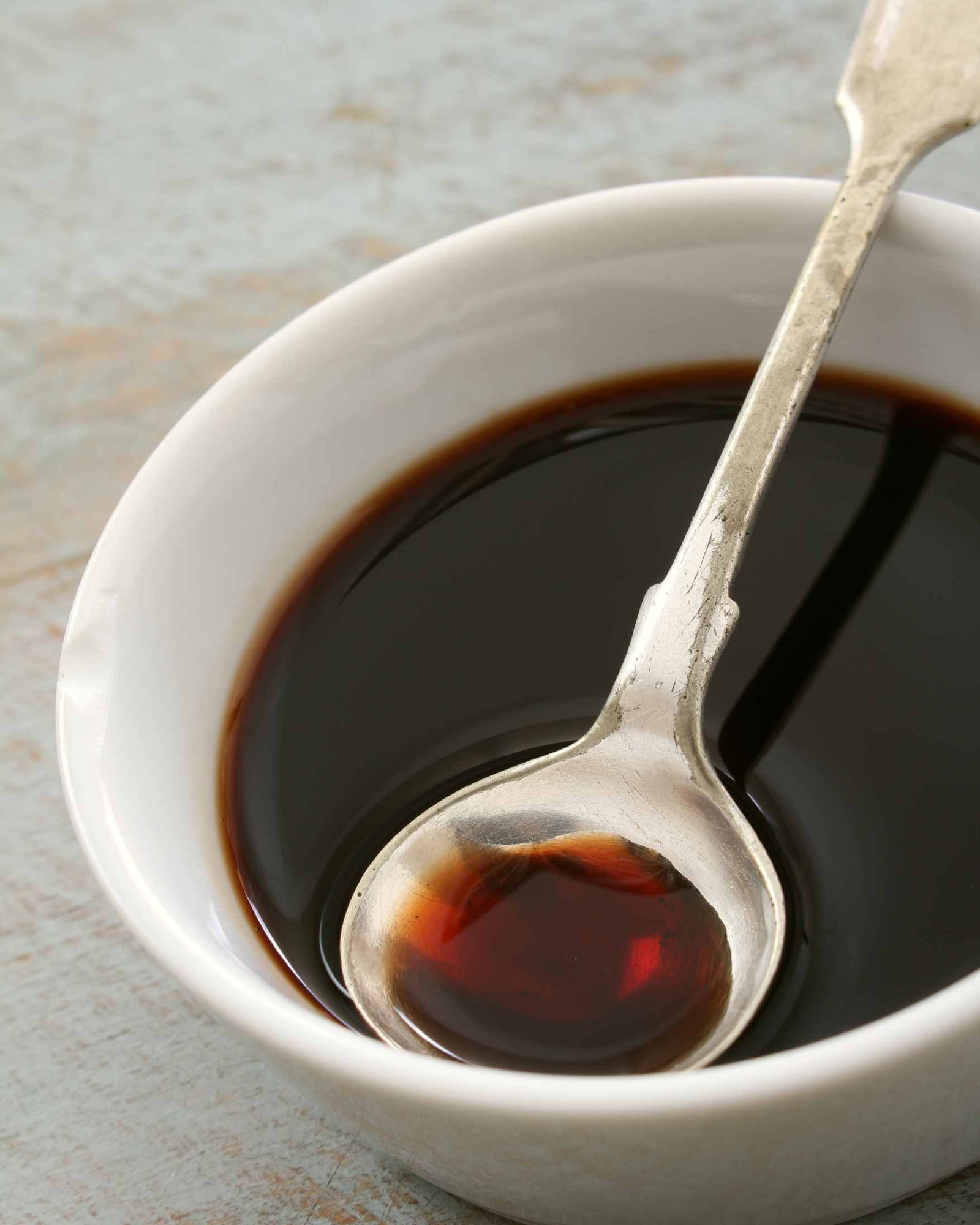
- Add the ingredients to a small pan on low-heat. Cook for five minutes until the mixture begins to bubble. Once the glaze forms a layer on the back of a spoon, it is ready. Remove off the stove and set aside. The blaze will continue to thicken up. Drizzle over salads or meat.
Nutrition
Calories: 25kcal | Carbohydrates: 6g | Protein: 0.1g | Sodium: 5mg | Potassium: 22mg | Sugar: 5g | Calcium: 7mg | Iron: 0.1mg
Did you make this recipe?Pin to Save this Recipe