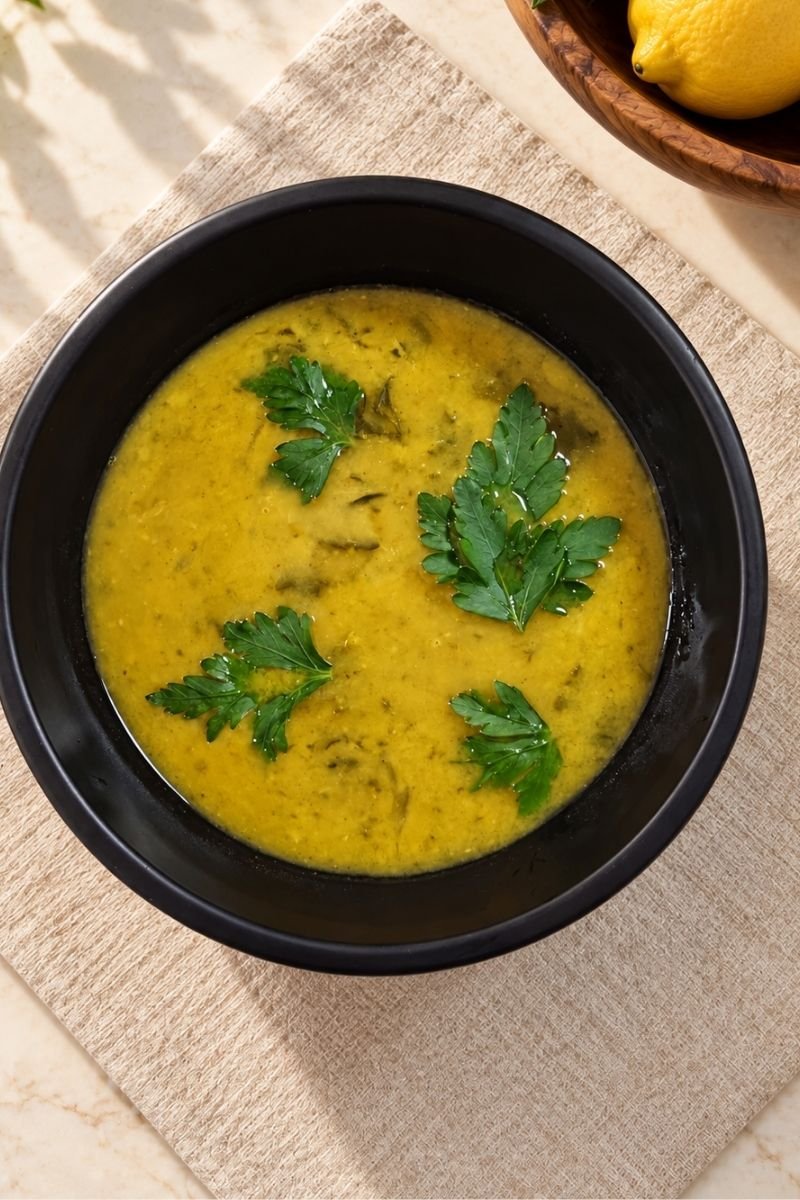
Fesenjan
Today we are making Fesenjan. This dish has roots that trace back centuries to Ancient Persia. At the heart of Fesenjan is a rich sauce made from pomegranate molasses and ground walnuts, which grow abundantly in Iran.
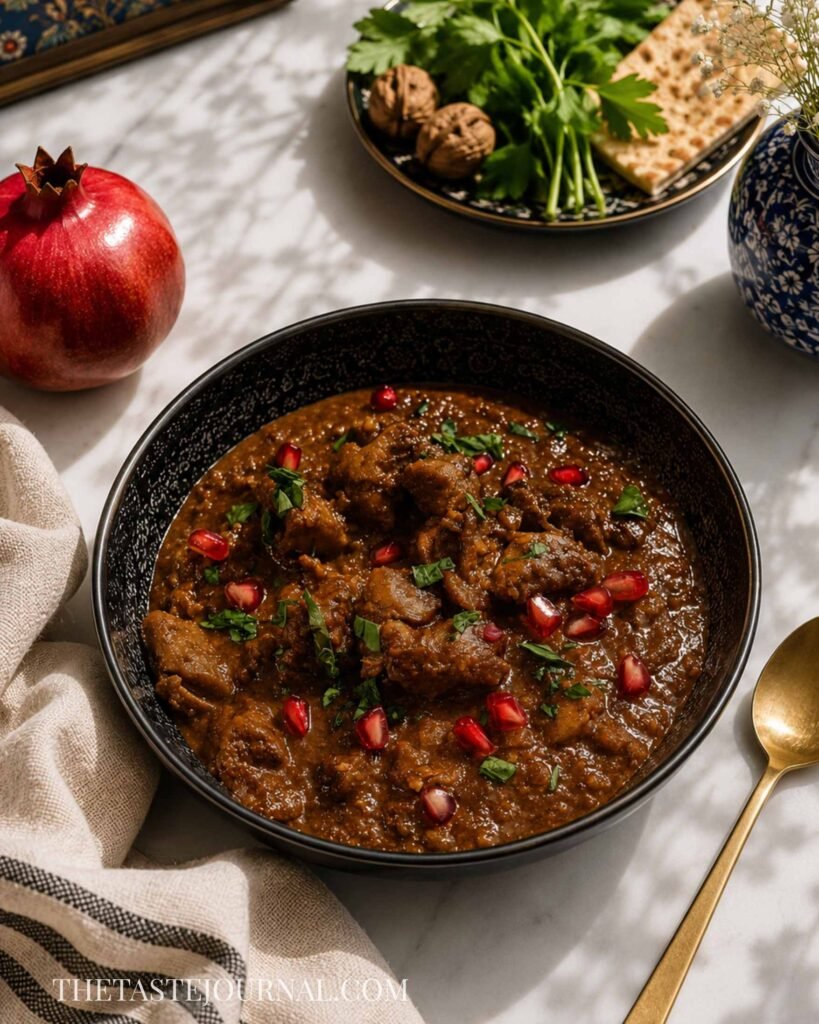
Fesenjan is often enjoyed during special occasions and important family gatherings, and for good reason: it provides a lot of energy. The first recipe for Fesenjan was found on an old tablet dating back to 515 BC.
Do you need any special skills to make this recipe? Not at all; even a novice can prepare it easily. My first attempt at making Fesenjan was years ago during my university days, and it was surprisingly simple to prepare.
Ingredients
Walnuts, Almonds, Cooking Oil, Chicken Brest or Thighs, Pomegranate Molasses, Nutmeg Powder, Cardamom Powder, Black Pepper, Salt, and Water.
If you’re wondering where to buy pomegranate molasses, it’s widely available in most Middle Eastern supermarkets and online. Fesenjan is a delightful dish that combines sour and sweet flavors, and it is typically made with chicken. You can also make pomegranate molasses at home, use four cups of pomegranate juice and simmer on medium-low heat for one hour until it reduces to one cup.
For this recipe, the walnuts are ground into a powder and mixed with water. Some people prefer adding water while blending the nuts, but I find it easier to mix the water in a bowl first. Both methods will create a paste-like consistency, but using a blender makes for easier cleanup. Did you know that you can use a combination of nuts in Fesenjan? Walnuts, almonds, and pistachios are the three standard nuts used in this dish. In this recipe, we’ve chosen a mix of walnuts and almonds.
For the chicken, you can use your favorite cuts—legs, thighs, or breasts all work well. Alternatively, you can also use duck or quail. Make sure to select a pomegranate molasses that contains no added sugar. If you’re feeling adventurous, you can even make your own molasses at home. Additionally, adding nutmeg and cardamom powders will enhance the flavor of the Fesenjan.
Instructions
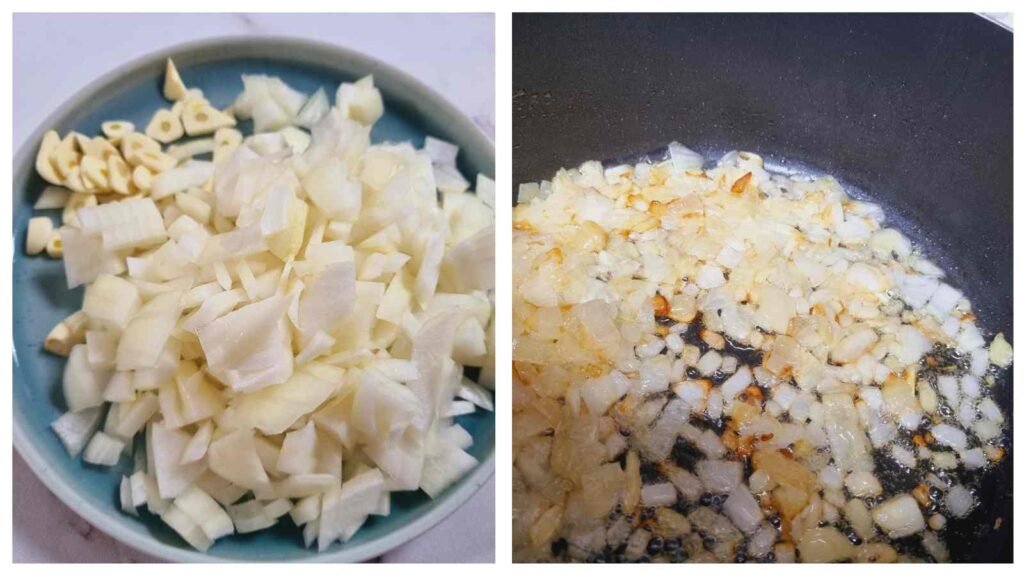
Slice the garlic and onion. Preheat a pot on medium-high heat. Add the olive oil, onion, and garlic. Cook the aromatics for three minutes.
Rinse the chicken breasts in running water, pat them dry with a kitchen towel, and then slice them into half-inch cubes.
Use a mixer or blender to grind the walnuts and almonds until they are delicate and smooth. Once finished, transfer the ground nuts to a bowl, add three tablespoons of water, and stir to mix.
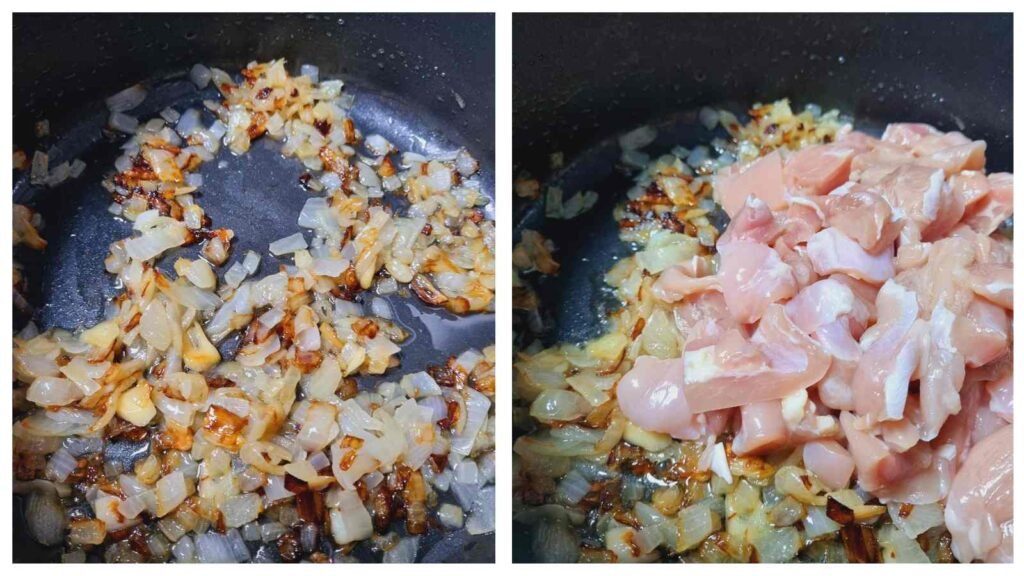
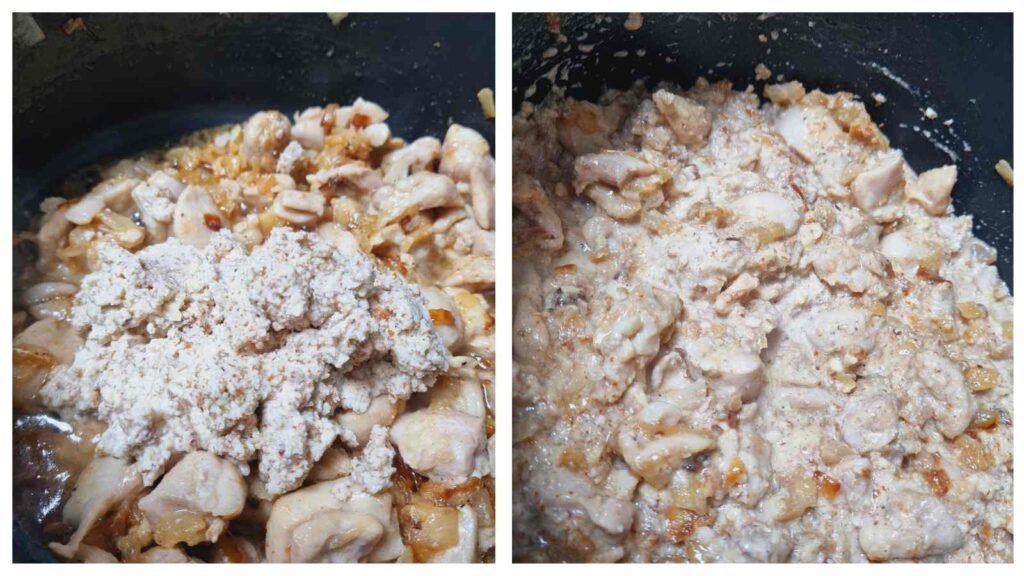
Once the onion and garlic are caramelized, add the chicken and stir to combine all the ingredients. Transfer the ground nuts to the pot and stir to mix. Make sure to mix all the ingredients thoroughly. Add a quarter cup of water if the mixture is too dense and thick.

Adjust the temperature to medium-low heat and continue to cook for two minutes. At this stage, also add the cardamom powder, nutmeg powder, salt, and pepper.
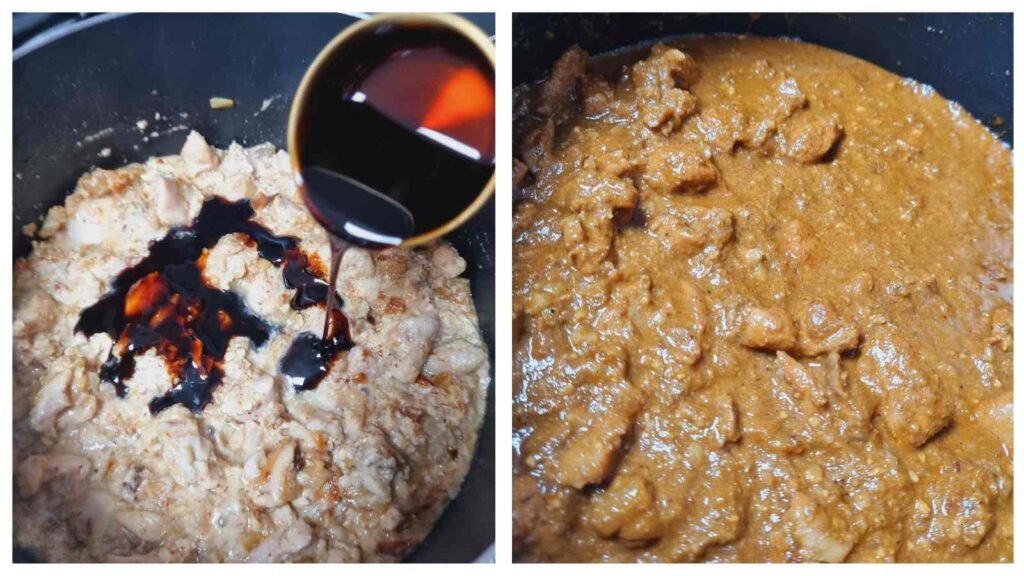
Drizzle the molasses into the pot and stir to mix. Add the rest of the water and stir to combine. Cook the fesenjan for 35 minutes with the lid closed, the colour will deepen as it simmers on the stove.
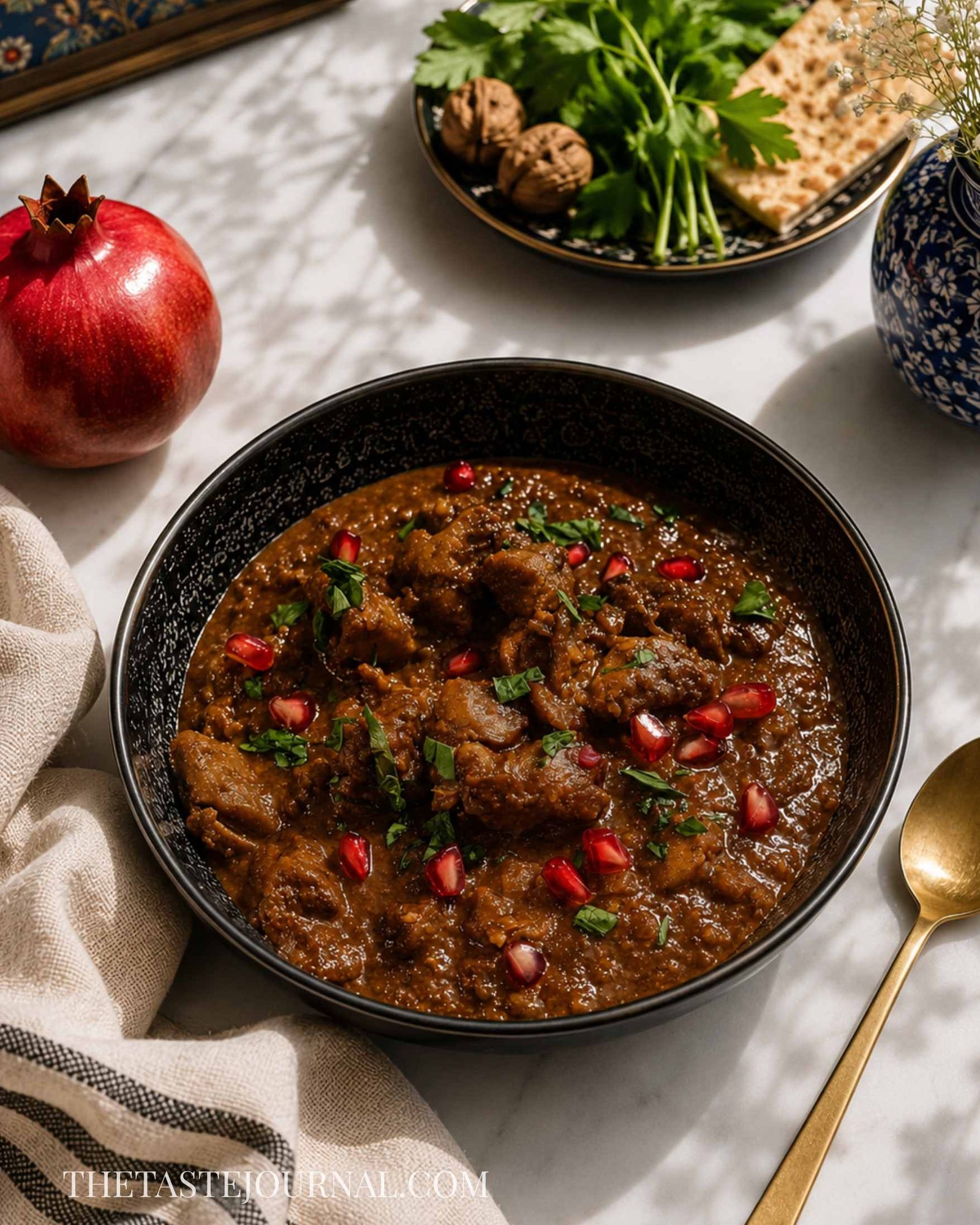
Garnish with parsley, saffron (polow), or steamed rice. You can adjust the flavours of fesenjan by adding a little bit of vinegar or brown sugar to balance the tartness and sweetness. Fesenjan is a blend of rich flavours that combine both walnuts and pomegranate molasses. This stew offers a satisfying meal that warms both the heart and soul.
What to Serve with Fesenjan?
Pair Fesenjan with homemade tadiq which is a rice dish that has been coloured with saffron and has a golden crispy layer which comes from cooking the rice using a special method. Shirazi salad is also another fantastic dish to enjoy in combination with fesenjan. It is made with cucumbers, tomatoes, garlic and mint. If you enjoy pickles, then consider Torshi which is a pickled vegetables such as carrots, radishes and cucumbers. And if you enjoy creamy flavours, consider Mast O Khiar which is made with yogurt, cucumber, garlic and mint.
How to Store and Reheat Fesenjan?
Allow the fesenjan to cool down before storing it in the fridge. Once cooled, keep the fesenjan in an airtight container, which can be stored in the refrigerator for three to four days. You can also freeze fesenjan for up to three months. If you are freezing a large quantity, it’s best to portion it out before freezing. To reheat the fesenjan, you can use either the stovetop or a microwave. For stovetop reheating, pour the stew into a pan and heat it on medium-low for three minutes, stirring occasionally. If the sauce appears thick, you can add a little water.
For microwave reheating, add two tablespoons of water to the fesenjan, mix well, and then place it in the microwave. Cover the dish with a microwave-safe lid and heat on high power for two minutes. When reheating frozen fesenjan on the stovetop, use the same method but heat it for six to seven minutes. If you choose to reheat in the microwave, make sure to thaw it first before microwaving.
Ingredients
- 400 g Chicken breast – ½ inch cubes
- ½ cup Pomegranate concentrate
- 1 Large onion – cubed
- 4 Garlic cloves – sliced
Nuts
- 1 cup Walnut – ground
- ½ cup Almond – ground
Spices
- ¼ tsp Nutmeg powder
- ¼ tsp Cardamom powder
- ½ tsp Black pepper
- ½ tsp Salt
- 1 cup Water
Instructions
- Prepare the ingredients: Rinse the chicken breasts in running water, pat them dry with a kitchen towel, and cut them into half-inch cubes.
- Grind the nuts: Use a mixer or blender to grind the walnuts and almonds until they are delicate and smooth. Transfer the ground nuts to a bowl, add three tablespoons of water, and stir to mix.
- Sauté the aromatics: Slice the onion and garlic. Add the olive oil, onion, and garlic to a preheated pot on medium-high heat. Cook the aromatics for eight minutes while stirring occasionally. When the garlic and onion begin to brown, add the sliced chicken and stir to mix. After adding the chicken, lower the temperature to medium-low heat.
- Add the ground nuts: Add the ground nuts, cardamom powder, nutmeg powder, salt, and pepper to the pot, and thoroughly mix all the ingredients. Add a quarter cup of water if the mixture is gloopy and thick.
- Add pomegranate concentrate: Pour the pomegranate molasses and the rest of the water into the pot, and then stir to mix. Cook the Fesenjan for 35 minutes with the lid closed. When the Fesenjan is ready, garnish with parsley and serve with saffron rice.
Nutrition
Calories: 376kcal | Carbohydrates: 11g | Protein: 25g | Fat: 28g | Saturated Fat: 3g | Polyunsaturated Fat: 14g | Monounsaturated Fat: 3g | Trans Fat: 0.01g | Cholesterol: 52mg | Sodium: 1368mg | Potassium: 512mg | Fiber: 4g | Sugar: 2g | Vitamin A: 16IU | Vitamin C: 1mg | Calcium: 78mg | Iron: 2mg
Did you make this recipe?Pin to Save this Recipe