Korean Spicy Chicken
Korean Spicy Chicken is one of South Korea’s most beloved dishes. In the 1970s, Korean fried chicken emerged, inspired by American fried chicken and adapted to suit Korean tastes.
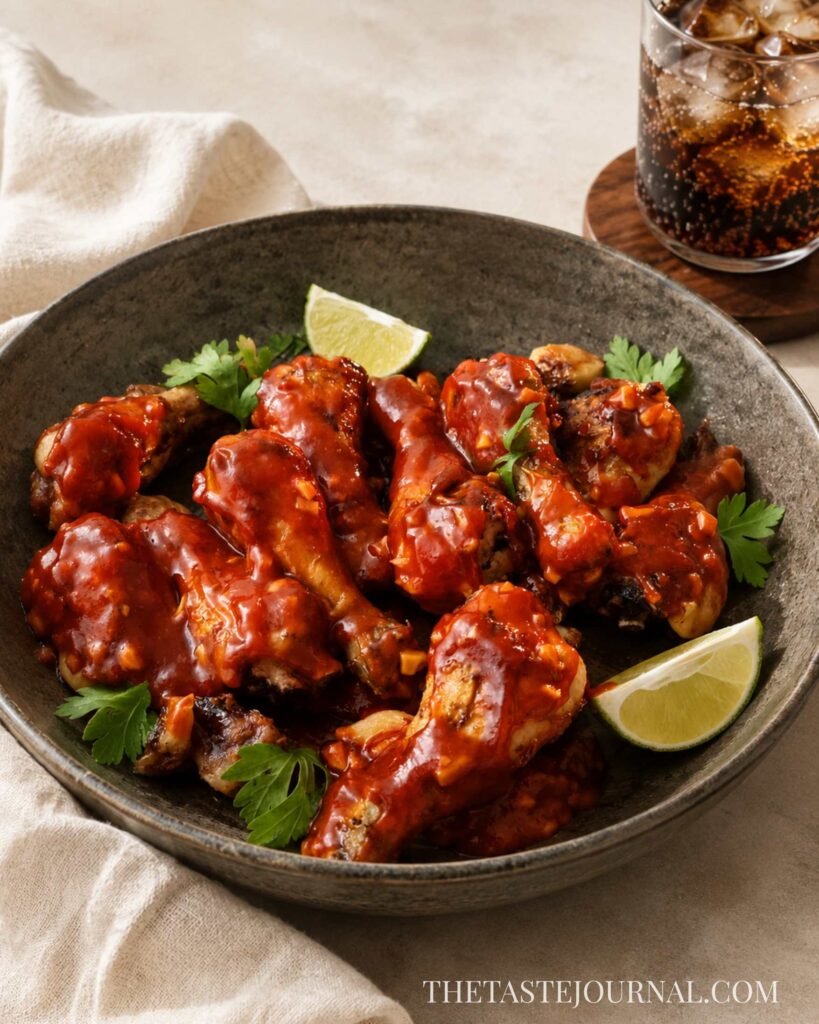
If you’ve tried Yangnyeom chicken, you know it’s packed with bold flavors and goes perfectly with a refreshing soda on a relaxing day. Many Koreans consider Yangnyeom chicken one of life’s sweet pleasures, and they’re absolutely right! Traditionally, this Korean dish involves double-frying the chicken and coating it in a tangy gochujang sauce. However, in this recipe, we will grill the chicken instead of frying it.
We will use gochujang, a versatile fermented hot pepper sauce that can be incorporated into various Korean dishes, such as bibimbap, doenjang-jjigae, fried rice, stir-fries, kimchi jjigae, and dips. This fusion dish captures bold flavors with a modern twist. The word “yangnyeom” means “seasoned” in Korean, and the Yangnyeom sauce is a mouthwatering blend that is spicy, sweet, and tangy. It is made with honey, gochujang, white vinegar, garlic, and ketchup. We’ve put a new spin on the traditional Yangnyeom sauce, adding an exciting dimension to the recipe.
Ingredients
Salt, Dried rosemary & Pepper, Rice vinegar, Honey, Ketchup, Minced garlic, Oyster sauce, Gochuchang. Drumsticks, Chicken thighs or Chicken wings are the best pieces to use in this dish.
Dried rosemary offers a delightful earthy flavor accented with a hint of lemon, making it an ideal companion for succulent grilled chicken. Yangnyeom sauce—a vibrant Korean sauce that balances sweet, savory, and spicy elements. The addition of rice vinegar introduces a bright, tangy note, while honey lends a natural sweetness that beautifully complements the chicken. Ketchup serves as a rich, tomato-infused foundation for the sauce, balancing the heat of gochujang and the depth of the oyster sauce.
This dish shines with three cuts of chicken: drumsticks, thighs, and wings. Retaining the skin not only boosts the overall flavor but also contributes to an irresistible crispness. As the chicken sizzles on the grill pan, the skin crisps to a tantalizing crunch, elevating the dining experience to new heights.
Instructions
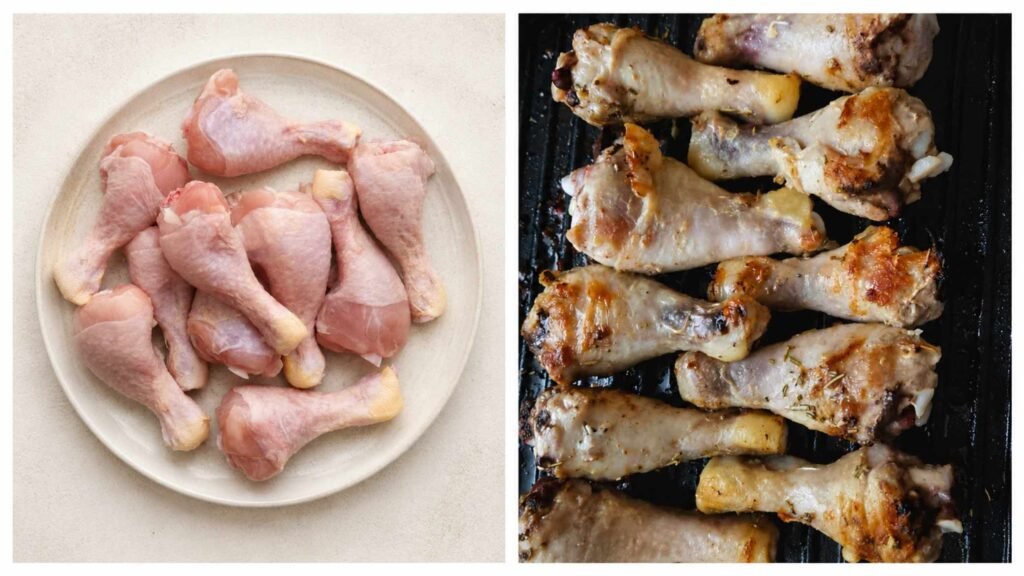
Add cooking oil and butter to the pan. Set the temperature to medium-low. Add the chicken drumsticks to the pan. Add the salt, pepper, and dried Rosemary. The drumsticks should be cooked for approximately ten minutes on each side. Cover with foil to insulate the chicken and prevent drying out.
Now, it’s time to make the hot sauce. This sauce is a unique recipe that comes from South Korea. Start by adding ketchup, minced garlic, gochujang, honey, rice vinegar, and oyster sauce in a small bowl. Add two tablespoons of water to the sauce. Mix it up and add it to a small pan.
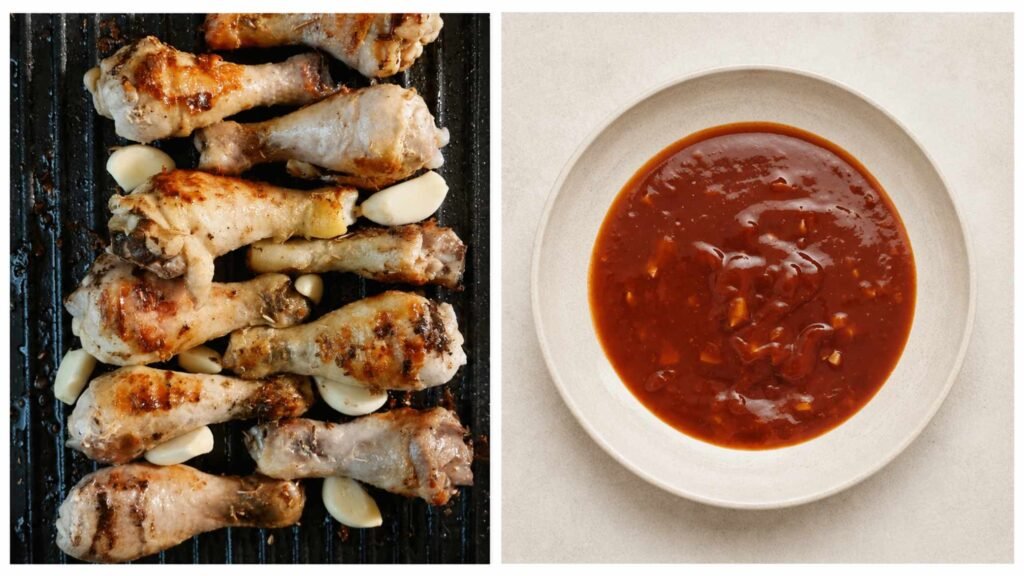
Cook on low heat until the sauce bubbles. You can substitute ketchup with your favorite hot sauce, but gochujang is essential for authenticity. Honey, rice vinegar, and oyster sauce enhance the flavor. Taste it to adjust as needed. Once done, coat the grilled chicken drumsticks with the hot sauce. Enjoy simple Korean Chicken at home!
Expert tips
To grill Korean Spicy Chicken perfectly, use foil and manage the temperature well. Aim for an internal temperature of 74 degrees Celsius. Set the grill to medium heat to prevent the outer layers from overcooking. Foil is important as it retains moisture, creating steam that keeps the chicken juicy. After grilling both sides, let the chicken rest briefly to allow the juices to redistribute before serving.
How to Store Korean Spicy Chicken?
It is quite simple to store in the fridge, and it can be reheated on the stove. Line a Tupperware with parchment paper or foil. Add the Korean spicy chicken to an airtight container and refrigerate for 2 to 3 days. Reheat in the microwave. Alternatively, you can store the drumsticks separately from the sauce.
What to Serve with Korean Spicy Chicken?
This dish is incredibly popular in Korea. It is usually eaten alongside other main dishes and with banchan, which are vegetable side dishes that include Kong Namul (Mung bean sprouts flavored with sesame seed oil and soy sauce). Koreans eat this dish alongside Maekchu (Korean beer) or Soda. They also enjoy spicy Korean chicken with Rice, Kimchi, and kim (Korean seaweed).
Ingredients
- 500 grams Chicken Drumsticks
- 1/4 tsp Salt
- 1/4 tsp White Pepper
- 1/4 tsp Rosemary
- 2 Tbsp Olive oil
- 2 Tbsp Butter
Yangnyeom sauce
- 2 tsp Honey
- 3 tsp Rice Vinegar
- 5 tsp Ketchup
- 1 tsp Gochuchang
- 1 tsp Oyster Sauce
- 3 Garlic Cloves (Finely minced)
Instructions
- Preheat the Grill pan: Add olive oil and butter. Add the drumsticks, sprinkle with salt, white pepper, and dried rosemary. Cover with foil. Grill for ten minutes per side on low heat. The internal temperature must reach 74 Celsius and must not be pink on the inside. Remove the chicken from the pan and let it rest for a few minutes.
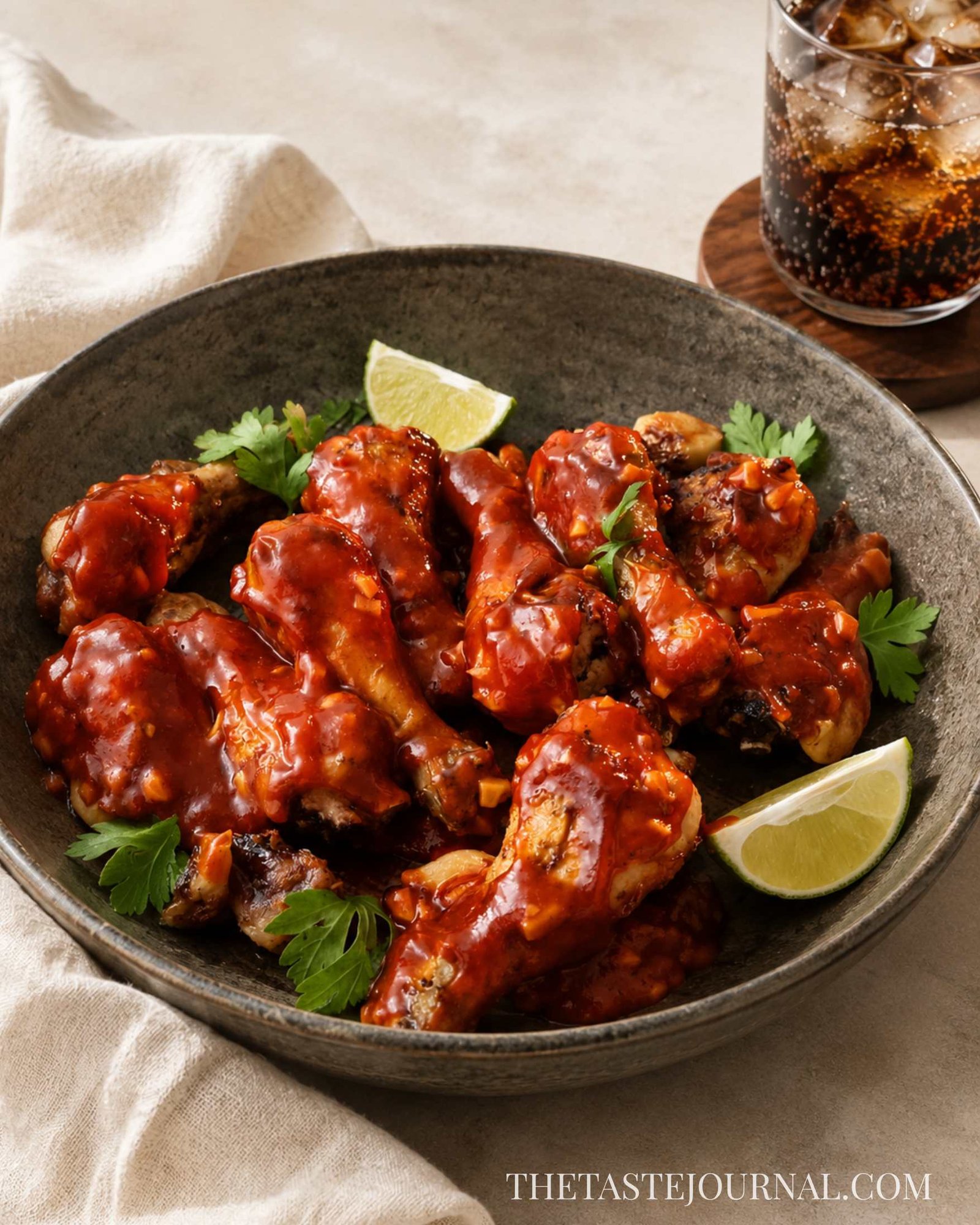
- Make the Yangnyeom sauce: Add Honey, Ketchup, Minced garlic, Gochuchang, Oyster sauce, and rice vinegar to a bowl. Add two tablespoons of water. Mix well. Add to a small pan on low heat. Cook until the sauce bubbles. Remove from the heat and coat the drumsticks with the sauce. Serve with parsley and freshly squeezed lime juice.
Nutrition
Calories: 189kcal | Carbohydrates: 12g | Protein: 15g | Fat: 9g | Saturated Fat: 2g | Polyunsaturated Fat: 2g | Monounsaturated Fat: 4g | Trans Fat: 0.1g | Cholesterol: 78mg | Sodium: 323mg | Potassium: 226mg | Fiber: 0.3g | Sugar: 7g | Vitamin A: 87IU | Vitamin C: 1mg | Calcium: 33mg | Iron: 1mg
Did you make this recipe?Pin to Save this Recipe