
Dinner rolls
The concept of baking dinner rolls at home may appear daunting to some individuals; however, it is one of the simplest recipes that can be prepared in under one hour. I have been baking dinner rolls for a long time, and few experiences can match the delightful aroma of freshly baked bread.

These warm and pillowy rolls emerge from the baking process accompanied by substantial steam, and when adorned with a generous portion of butter, they can elevate your main meal, and make it into a noteworthy dining experience.
Ingredients
All-purpose flour, brown sugar, garlic powder, salt, warm water, butter, yeast, milk, and heavy cream.
Baking dinner rolls at home does not require specialized flours or advanced equipment. The essential items needed include an oven, a baking tray, and a selection of basic ingredients. All-purpose flour serves as the foundational ingredient for the bread. Yeast plays a crucial role in the production of dinner rolls, as it facilitates fermentation and imparts an airy texture to the dough.
Butter contributes a rich and flavorful dimension to the recipe; however, it may be substituted with olive oil or clarified butter if desired. Milk is an important component that adds moisture and results in a tender crumb. Garlic powder is considered a secret ingredient in these dinner rolls; while optional, it enhances the overall flavor profile of the bread.
Instructions
Prepare warm water by heating it in a microwave. Pour warm water into a small bowl and add the yeast. Let it sit for about eight to ten minutes. The tiny bubbles will form into plumy, puffy clouds; this is a sign that the yeast is alive and well. Activating the yeast is a crucial step in this recipe, as it confirms the yeast is active.
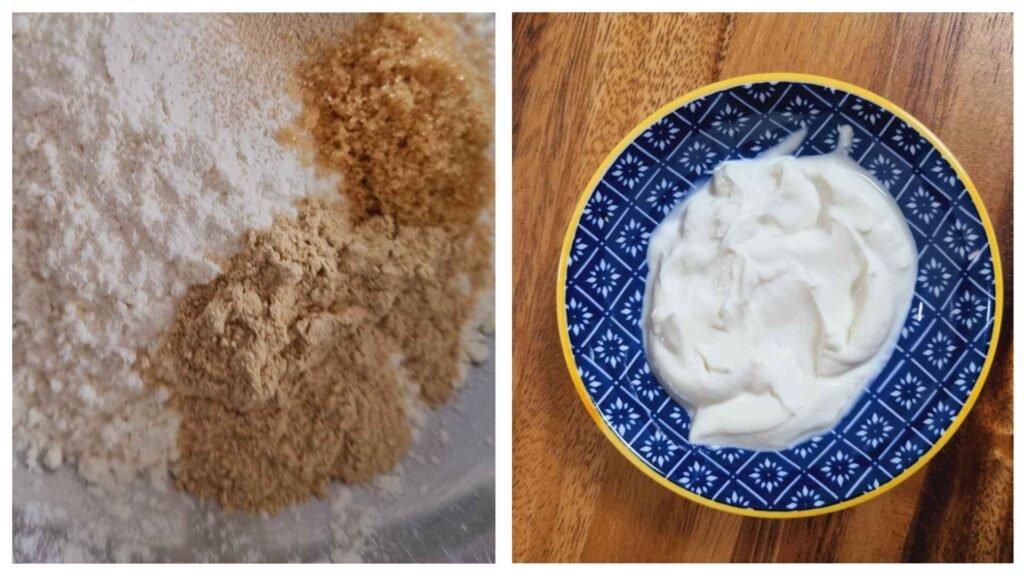
Prepare a large mixing bowl and add all-purpose flour, garlic powder, a pinch of salt, and brown sugar. Use a handheld whisk to lightly combine the dry ingredients until they are evenly mixed. Then, add butter, heavy cream, and milk to the bowl. Also, include the activated yeast. Use your hands or a wooden spoon to thoroughly combine the mixture.
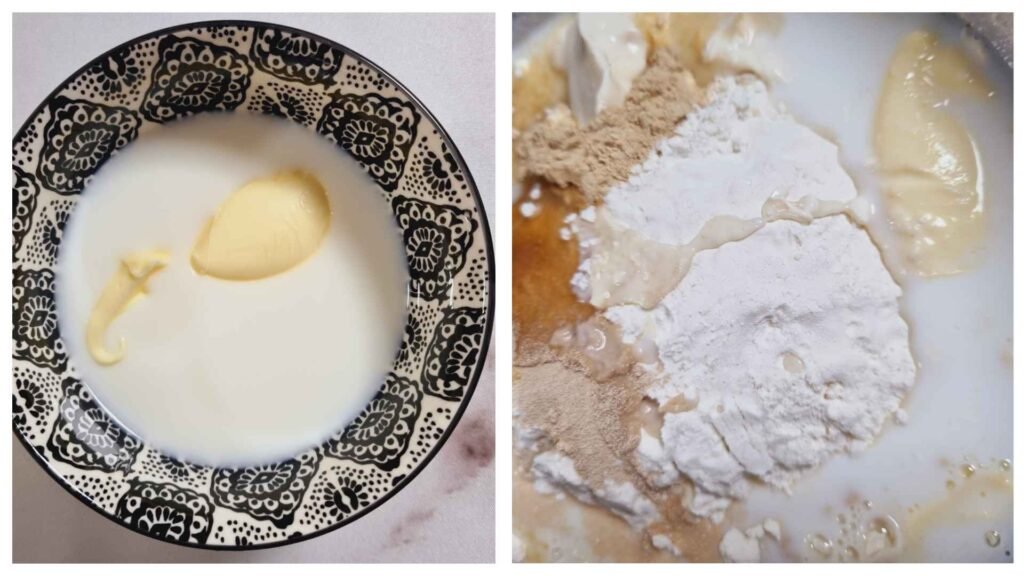
Knead the dough for about 5 to 7 minutes, until it starts to lose its stickiness and becomes smooth and elastic. If the dough remains sticky after kneading, add a teaspoon of flour and continue kneading until it is soft and stretchy. If the dough is too dry, add a teaspoon of water and keep kneading until it becomes moist and pliable.
Once you have achieved the right texture, form the dough into a large ball and place it in a mixing bowl. Cover the bowl tightly with cling wrap, ensuring there are no gaps. Allow the dough to rest in a warm, stable environment for 10 to 15 minutes. A warm environment helps activate the yeast and allows the dough to rise, while a cool atmosphere, such as from a fan or air conditioning, can slow down or halt the rising process.
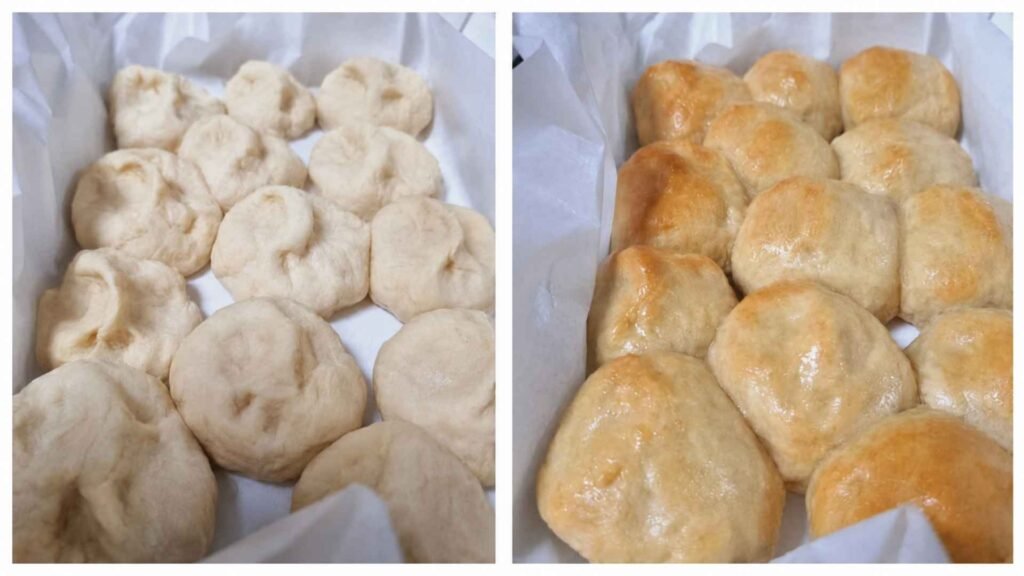
By this time, the dough should have doubled in size, filled with air and bubbles. Remove the cling wrap from the bowl and gently press down on the dough with your fist to release the air. Next, divide the dough into equal pieces and roll each piece into a ball. Line a baking tray with parchment paper and place the rolls on it, leaving a small space between each one. This spacing allows the rolls to expand and maintain their shape while baking. Coat the rolls with a layer of butter and sprinkle them with black sesame seeds before baking. Bake for 30 minutes at 302°F (150°C). Applying butter on top will give the rolls a golden brown color. Serve the dinner rolls.
What to Serve with Dinner Rolls?
Dinner rolls are easy and quick to make, it is also very delicious and pairs well with many types of main dishes, such as roasted chicken, beef stew, brisket, BBQ, and Soups. Dinner rolls can also be served as appetizers or as sides, accompanied by fillings or accompaniments such as herbed cream cheese, garlic powder, chili sauce, egg salad, mashed potatoes, or Roasted vegetables.
How to Store and Reheat Dinner Rolls?
Bring dinner rolls to room temperature before refrigerating in an airtight container to avoid drying out. They can be stored in the fridge for up to five days and in the freezer for three months. To reheat, cover rolls with a microwave-safe lid and heat in thirty-second intervals. For frozen rolls, defrost in the microwave or let them sit at room temperature before reheating.

Ingredients
Dry Ingredients
- 2 cup All Purpose Flour
- 2 Tbsp Brown Sugar
- 2 tsp Garlic Powder
- Pinch of Salt
Wet Ingredients
- 2 Tbsp Butter
- ¼ cup Warm Water
- 14 g Yeast
- ½ cup Milk
- 2 Tbsp Heavy Cream – Optional
Instructions
- Activate the yeast: Add the yeast in a small bowl of warm water and wait for eight to ten minutes for the yeast to activate.
- Mix the dry, and then add wet: Add the dry ingredients like flour, garlic powder and brown sugar. Whisk the dry ingredients and then add the wet ingredients like butter, heavy cream and milk, as well as the activated yeast. Use a wooden spoon to mix the ingredients together and form a sticky ball.
- Knead and rest: Knead the dough for five to seven minutes until the dough is smooth and elastic. If sticky, add a teaspoon of flour; if too dry, add a teaspoon of water, and continue knead. Once done, make the dough into a ball and place it on a mixing bowl. Then, cover the mixing bowl with cling wrap and let it rest for fifteen minutes.
- Shape and bake: By this time, the dough will be double the size filled with air and bubbles. Use your fist to gently push down the dough to release air and portion the dough into equal sizes. Shape them into rolls and place them on a baking tray covered with parchment paper. Butter the top of the rolls. Bake the rolls for thirty minutes at 150°C or 302°F. Enjoy the fresh dinner rolls plain, with dips or with the main dish.
Nutrition
Calories: 338kcal | Carbohydrates: 64g | Protein: 10g | Fat: 5g | Saturated Fat: 3g | Polyunsaturated Fat: 0.4g | Monounsaturated Fat: 1g | Trans Fat: 0.02g | Cholesterol: 12mg | Sodium: 73mg | Potassium: 184mg | Fiber: 3g | Sugar: 11g | Vitamin A: 160IU | Vitamin C: 0.1mg | Calcium: 75mg | Iron: 3mg
Did you make this recipe?Pin to Save this Recipe